ChristChurch > Lake Tekapo/Mt Cook > Dunedin > Te Anau
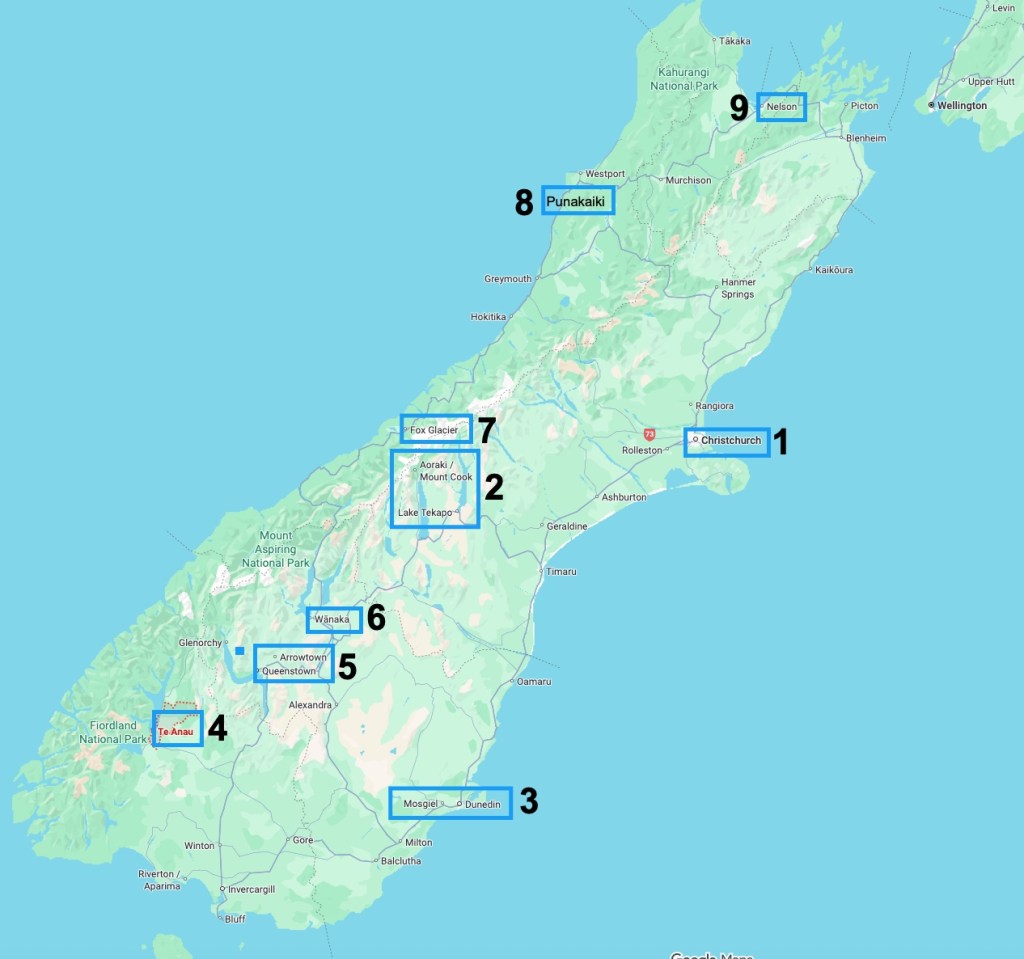
ChristChurch
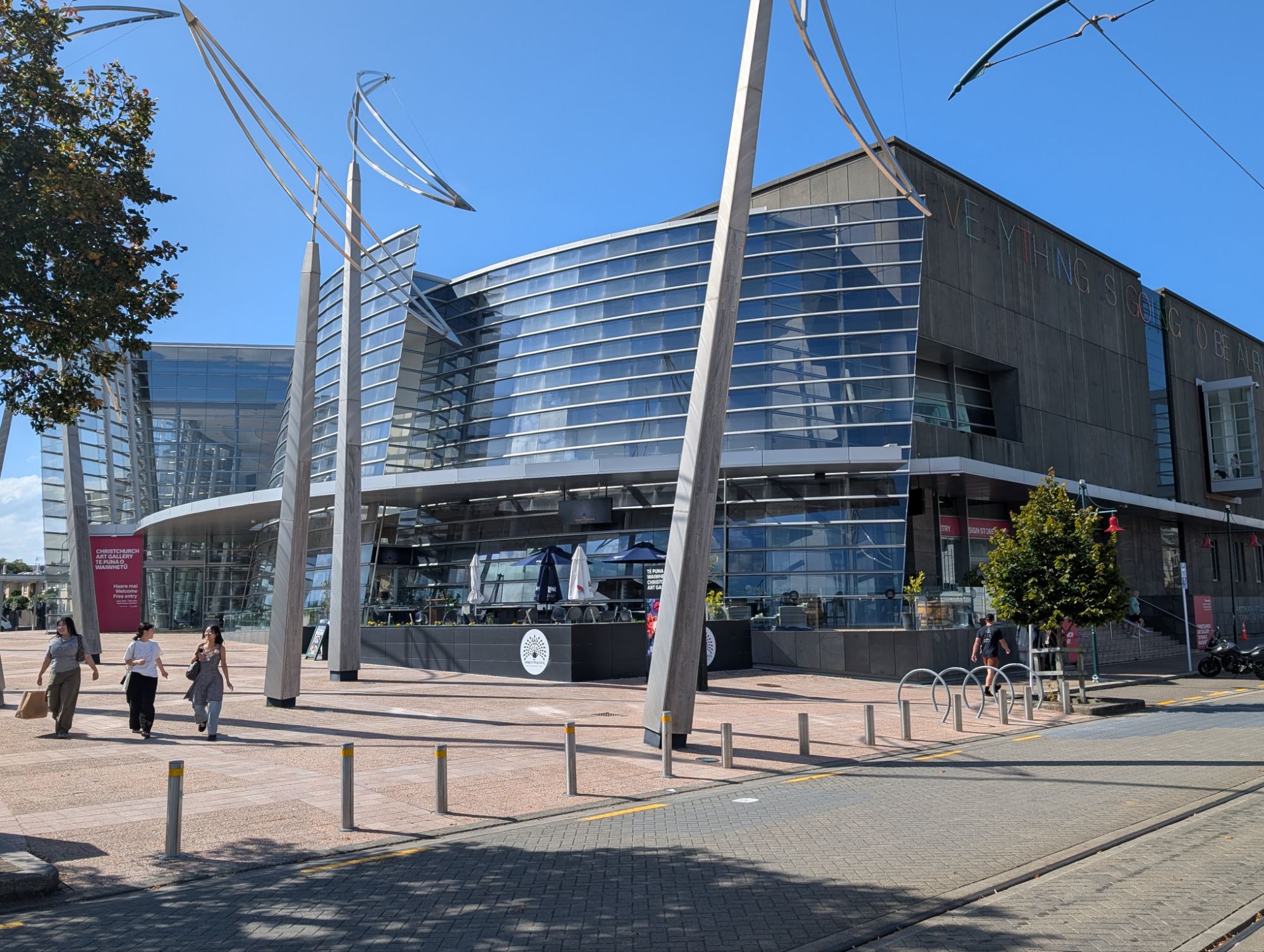
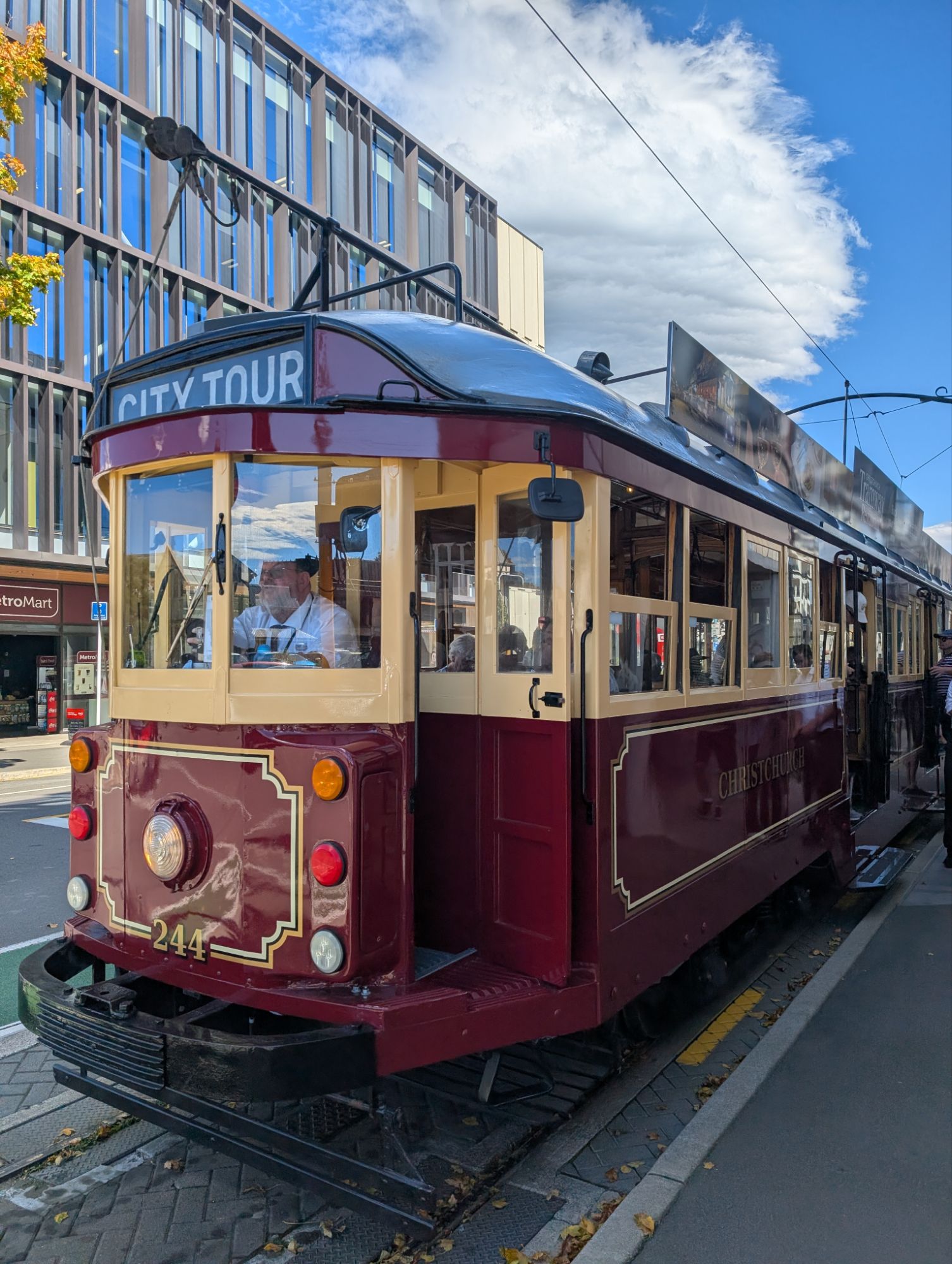
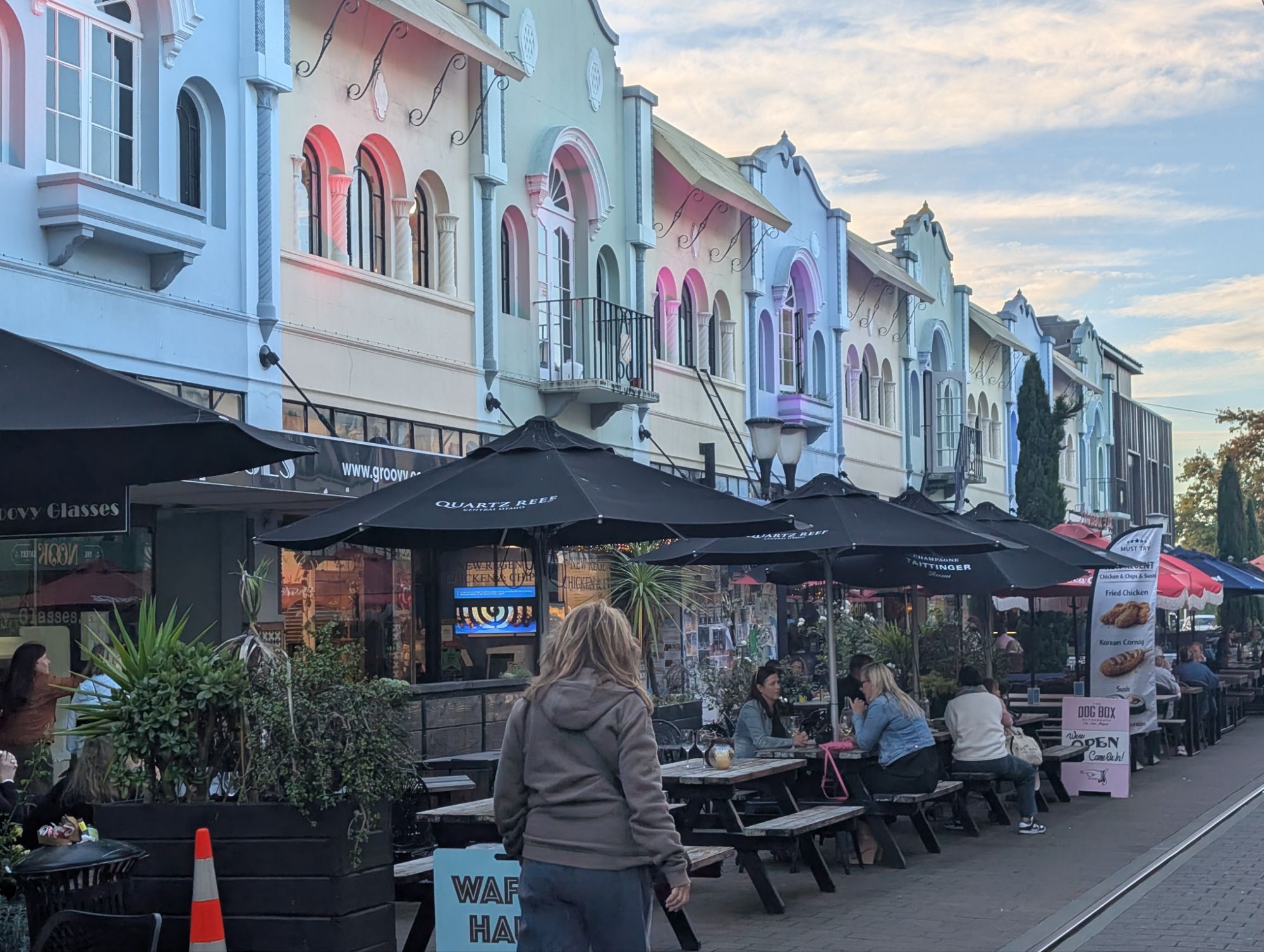
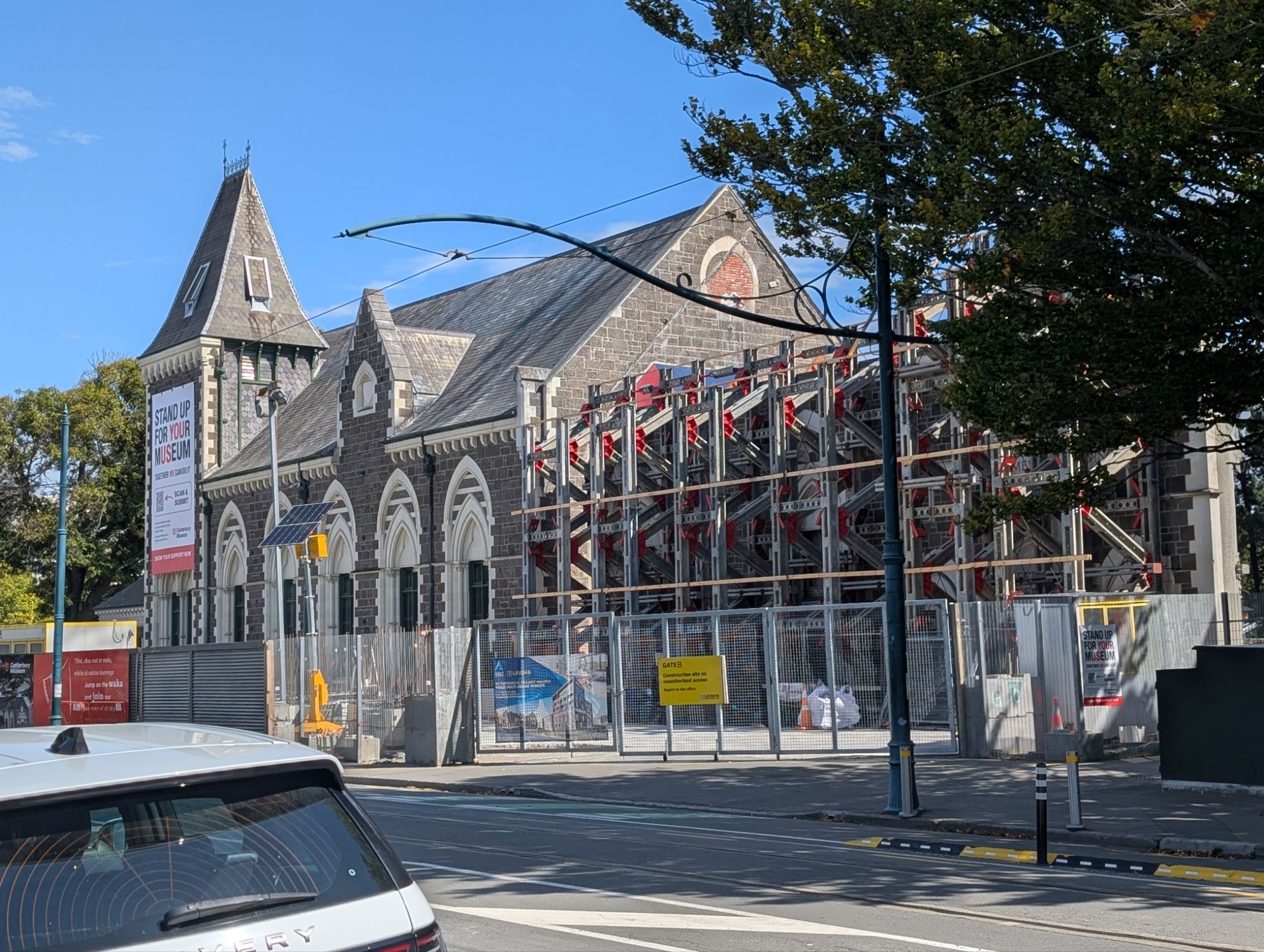
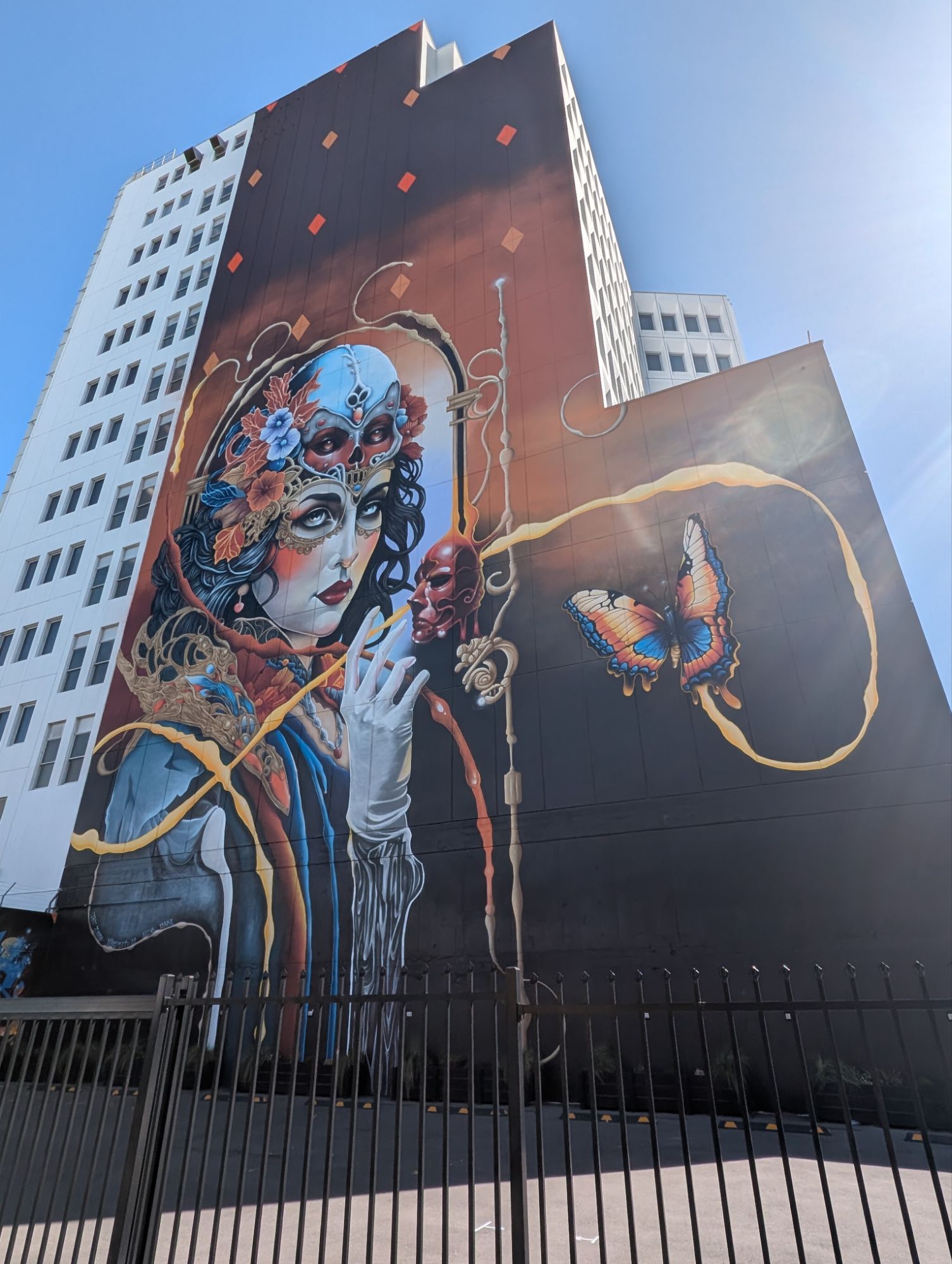
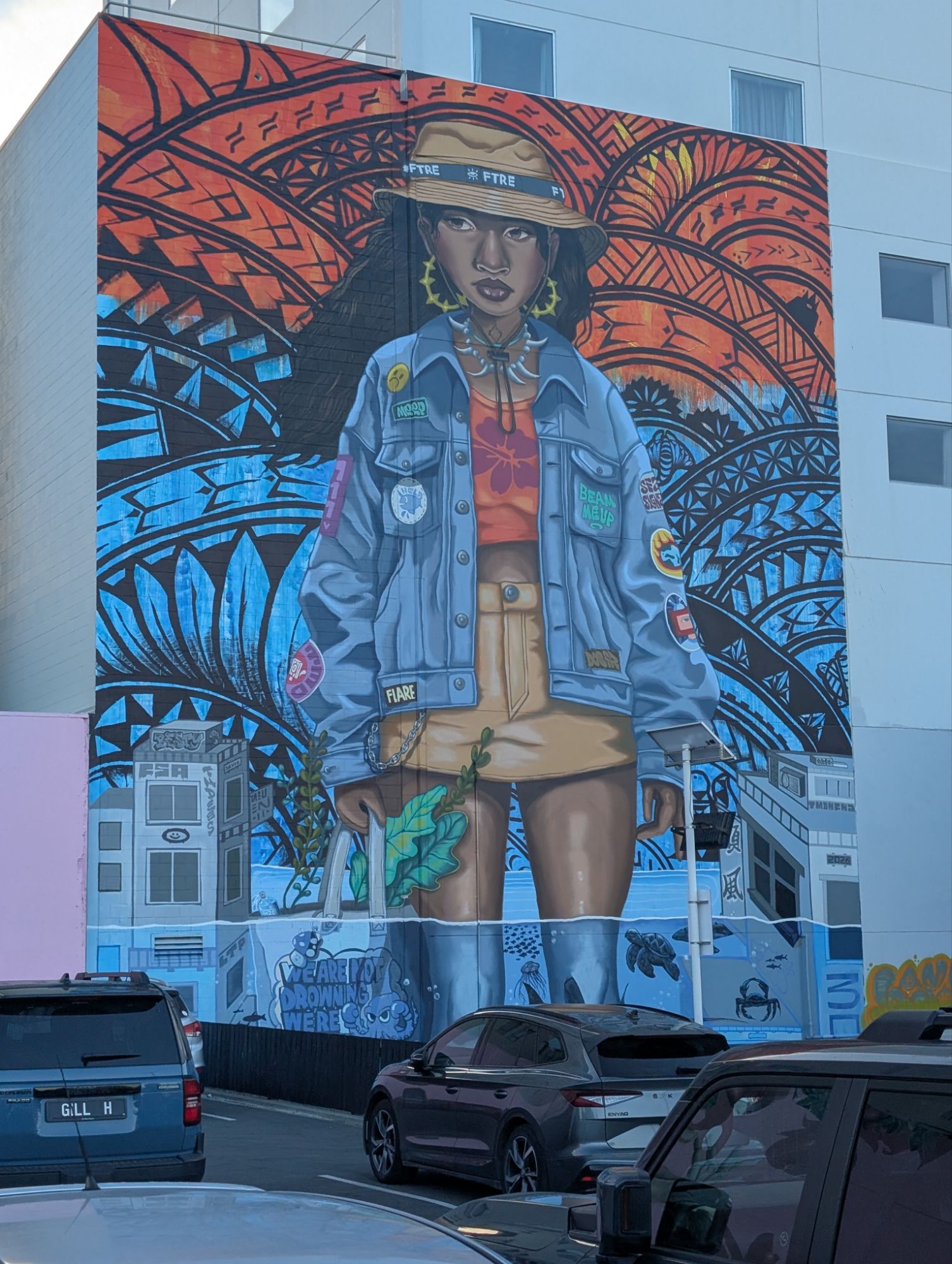
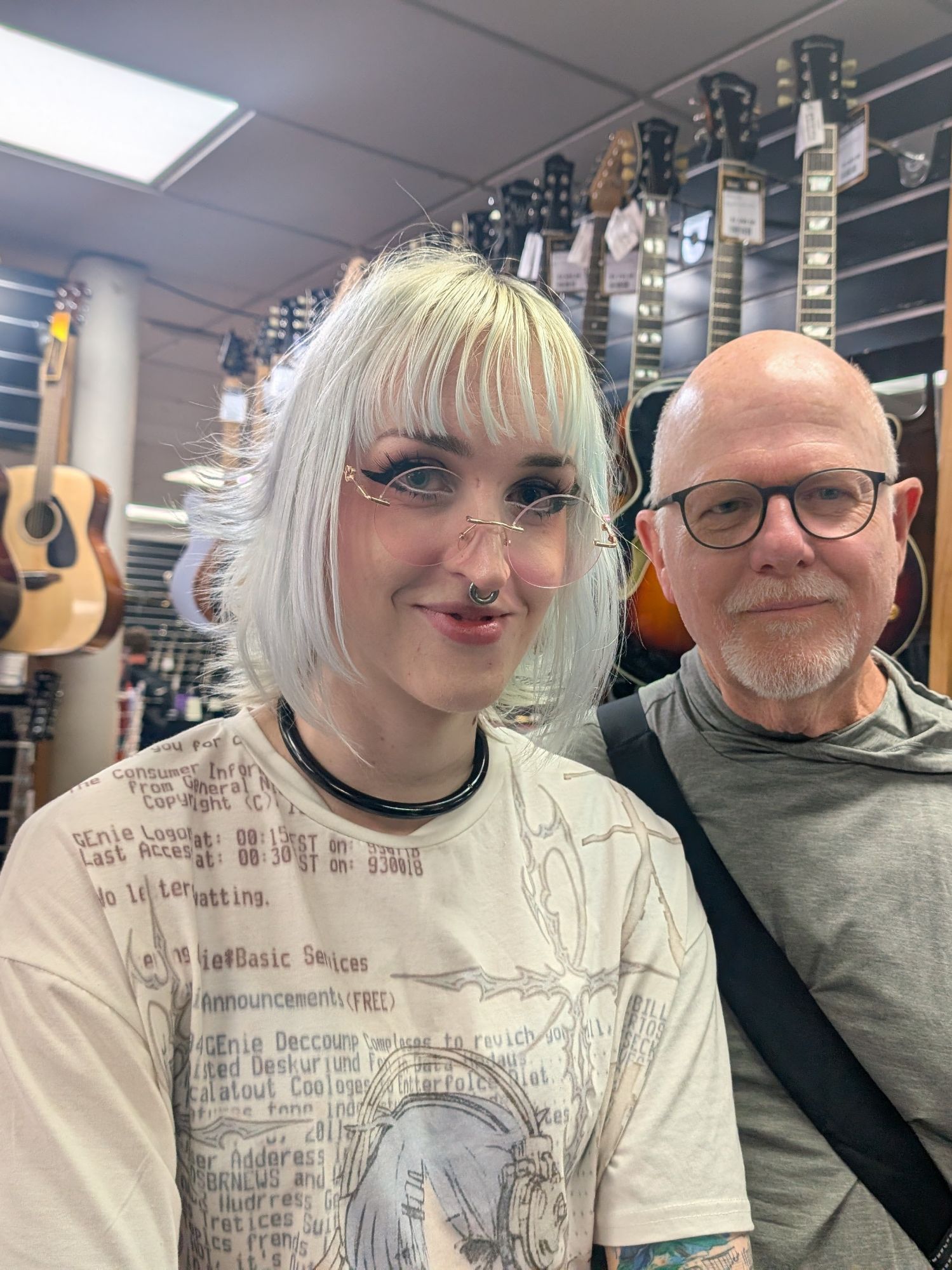
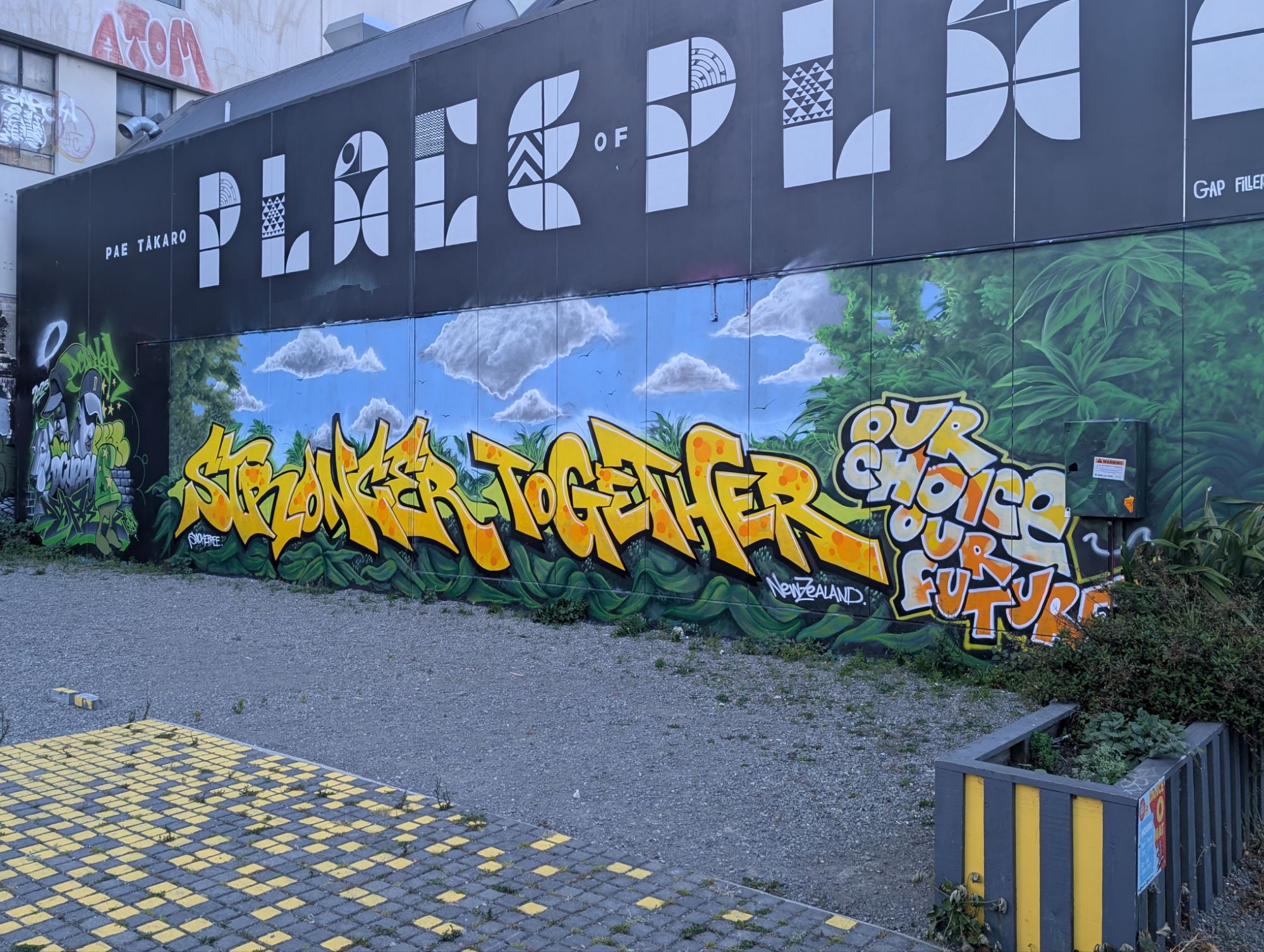
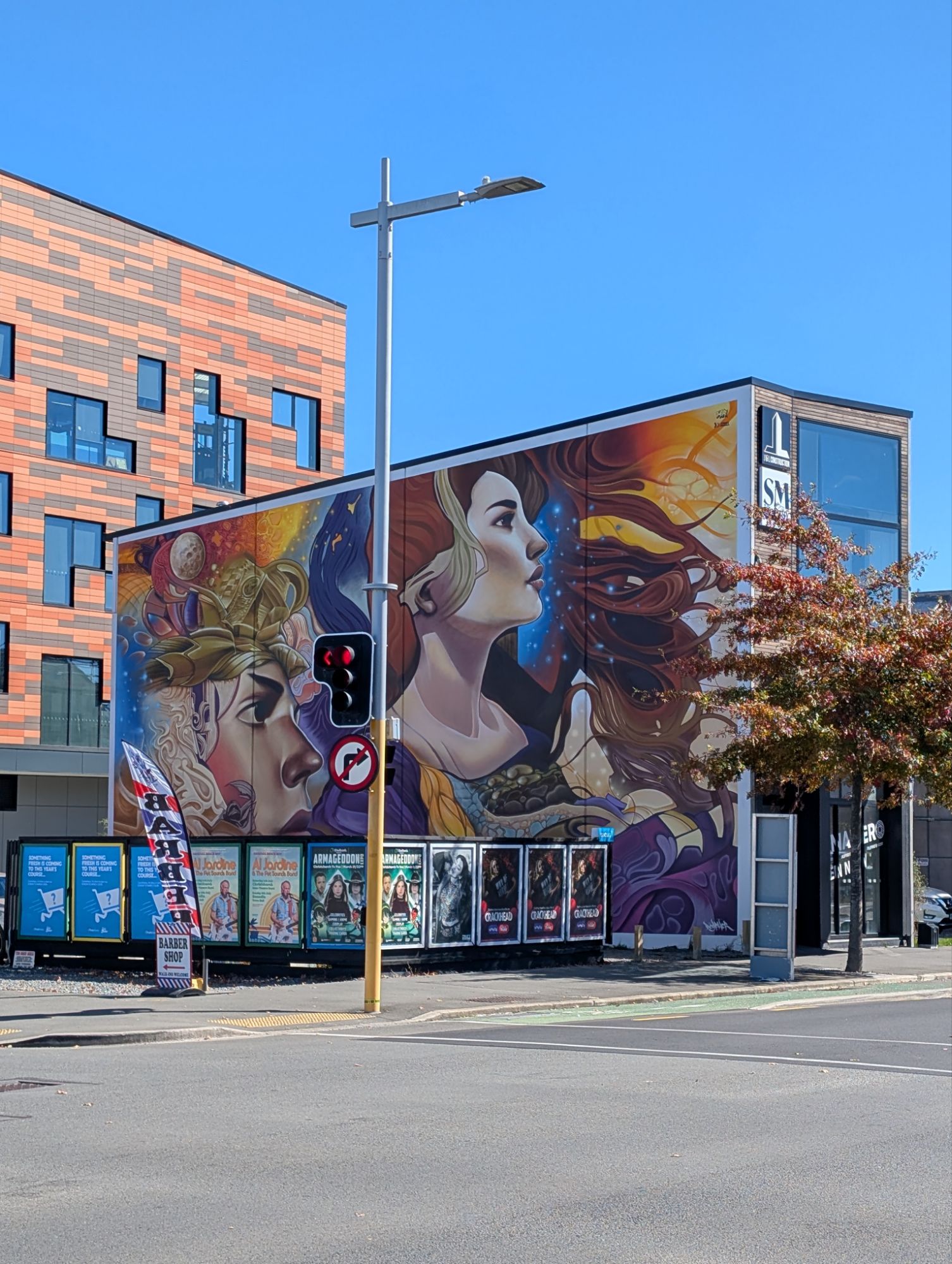
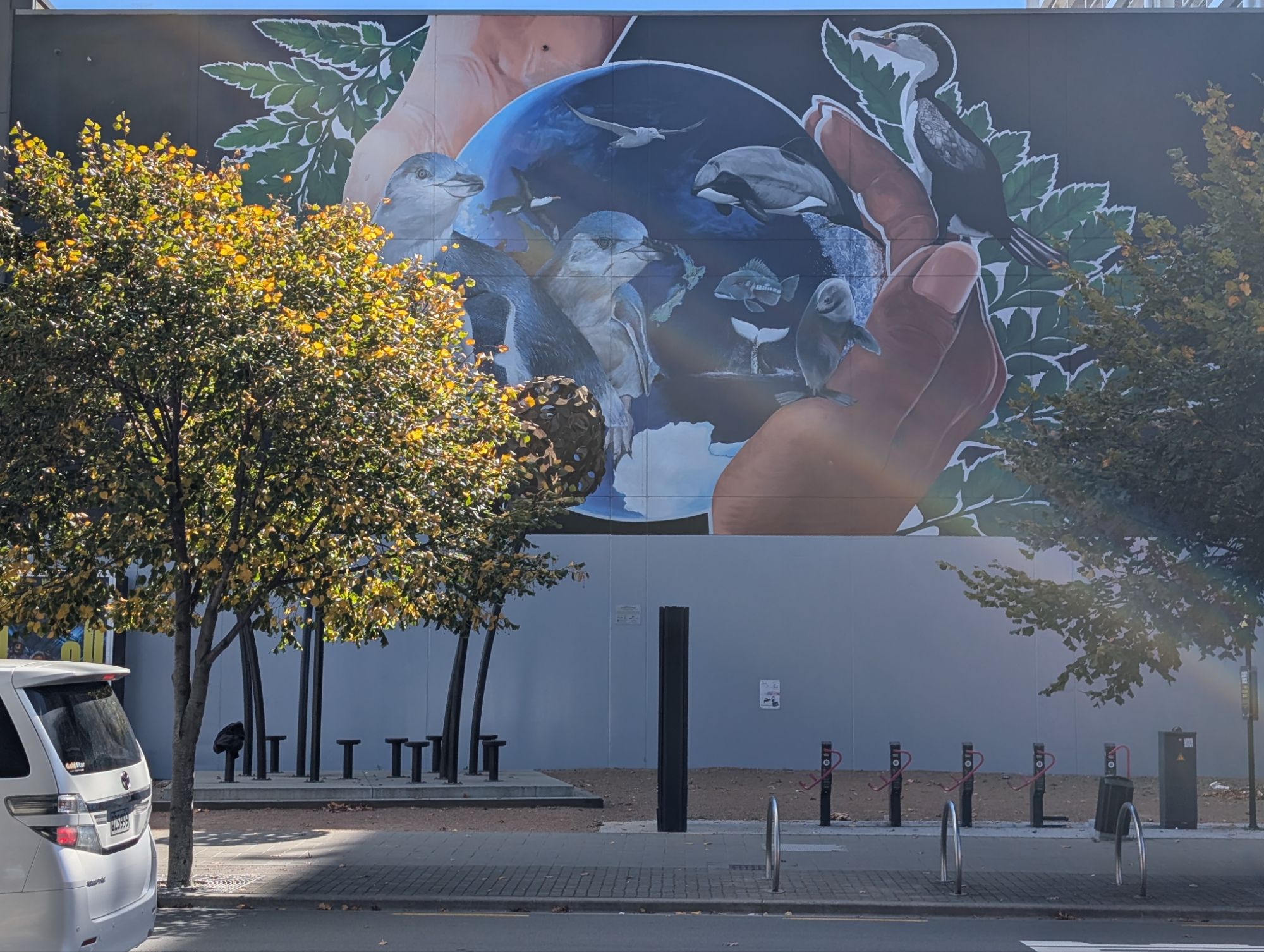
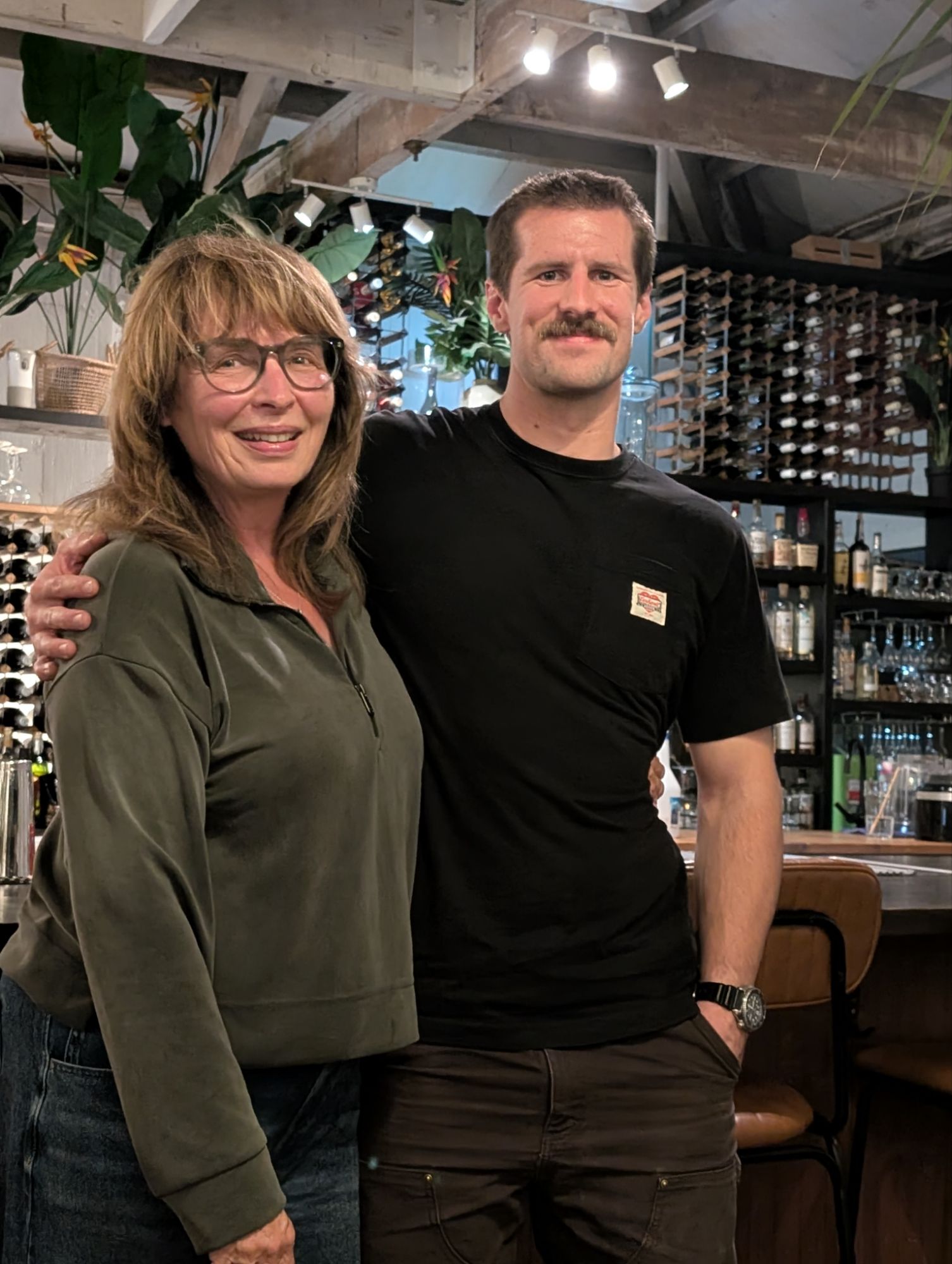
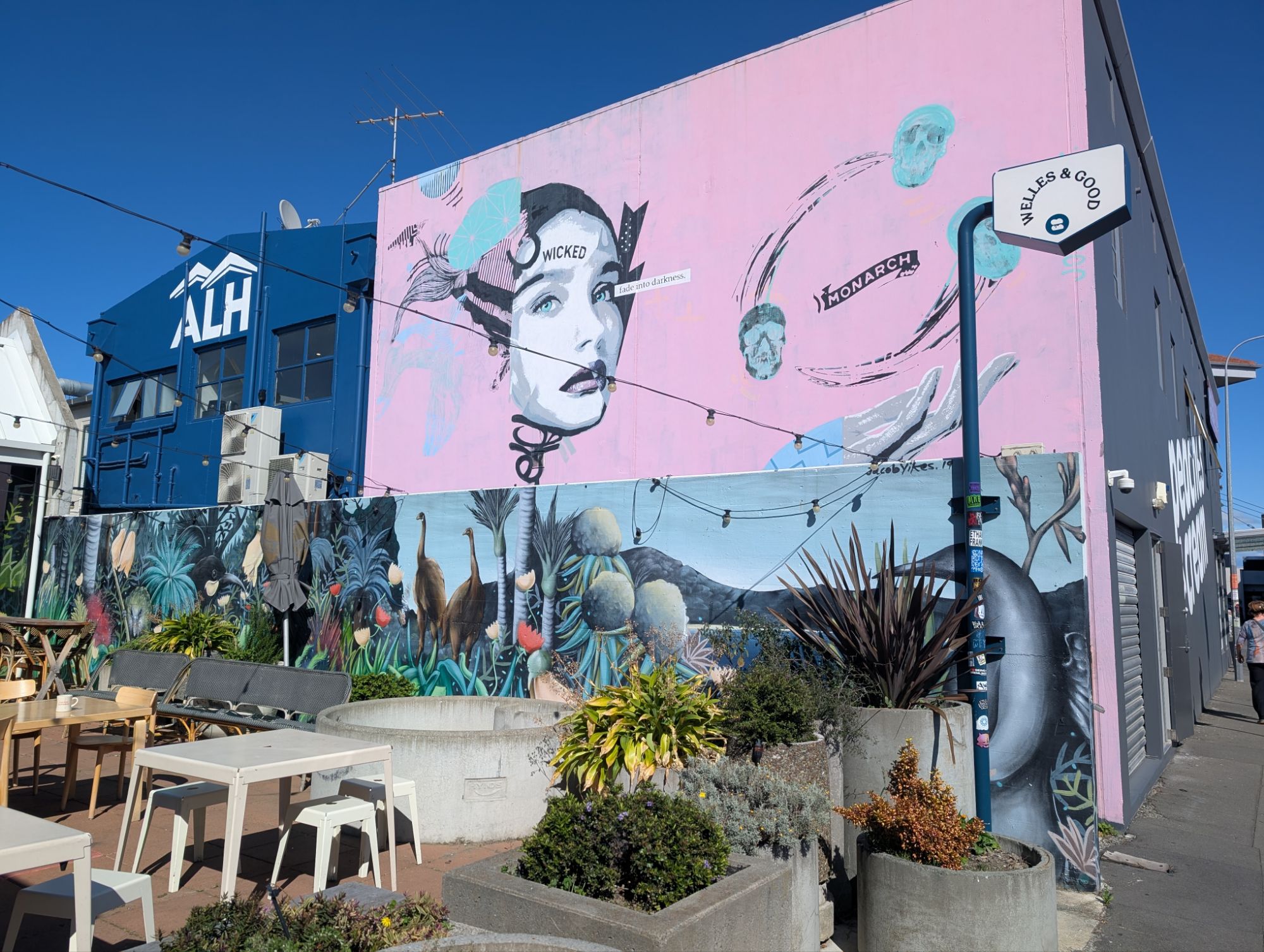
Christchurch is still recovering from the 2010-2011 7.1 earthquakes. Construction is ever present and mostly modern. Whether buildings were destroyed outright or had to been torn down, there was acres and acres of emptiness. The city initiated a campaign to “Fill the Gap” with beautiful murals in the empty spaces. The art is a true expression of the creative resilience of the people of ChristChurch. Later, we also spent an hour in the Earthquake museum listening to accounts of that unbelievable day. John was struck by the large number of young adults on the streets. This morning, our first stop was a local guitar store where we met Snow, another left-handed guitarist who is moving to Northridge, CA in the coming months to study musical composition. I suspect we may see her again. We traveled on a set of historic trolleys that allowed us to jump on, jump off throughout the day. That gave us an easy overview of the city. Tonight we had a long fascinating dinner with Sarah and Randall’s grandson Royal, who now goes by Roy. We also met his remarkable partner, Haven. The conversation was so lively, we ended up being the last people in the restaurant.
Lake Tekapo
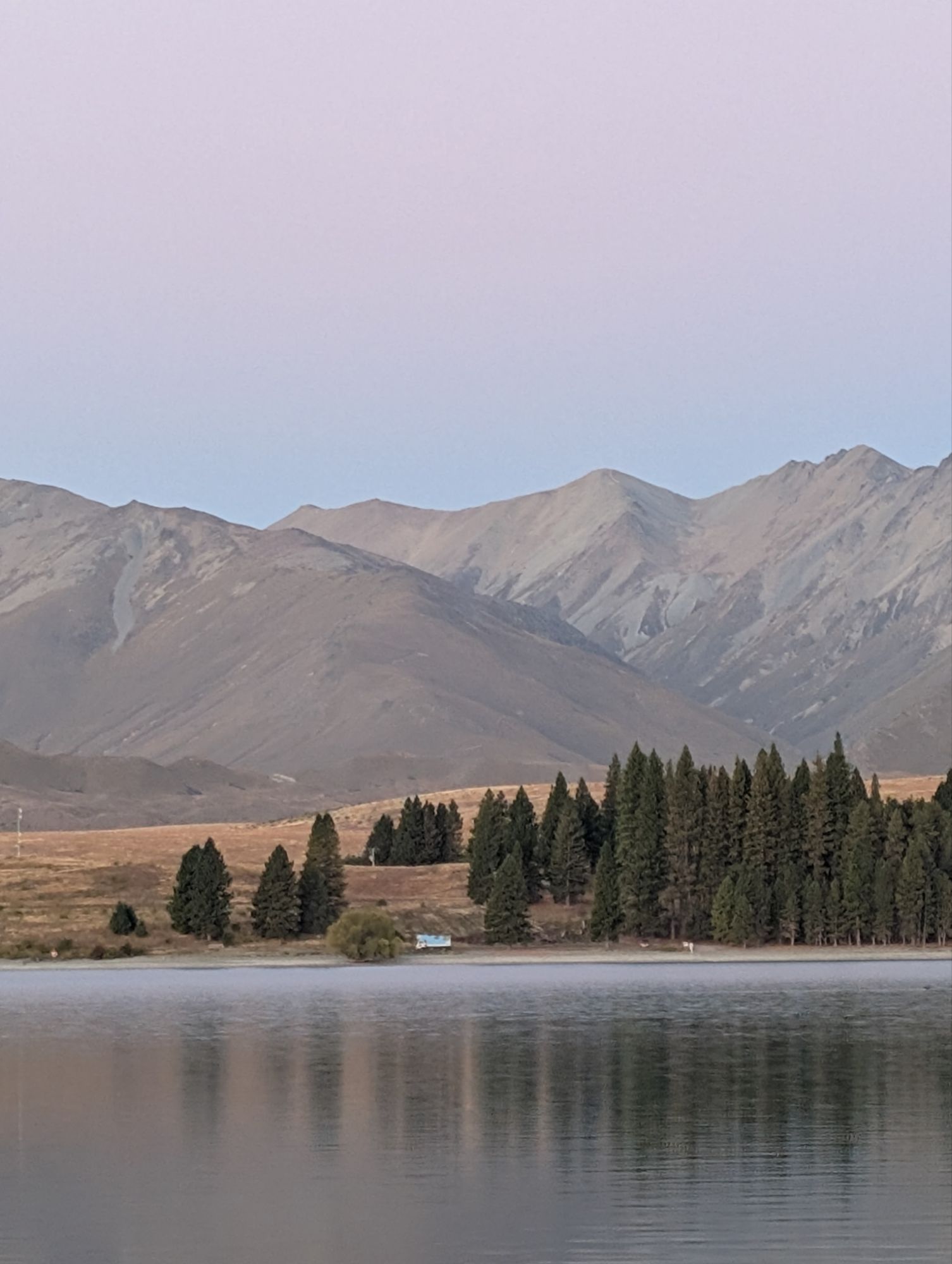
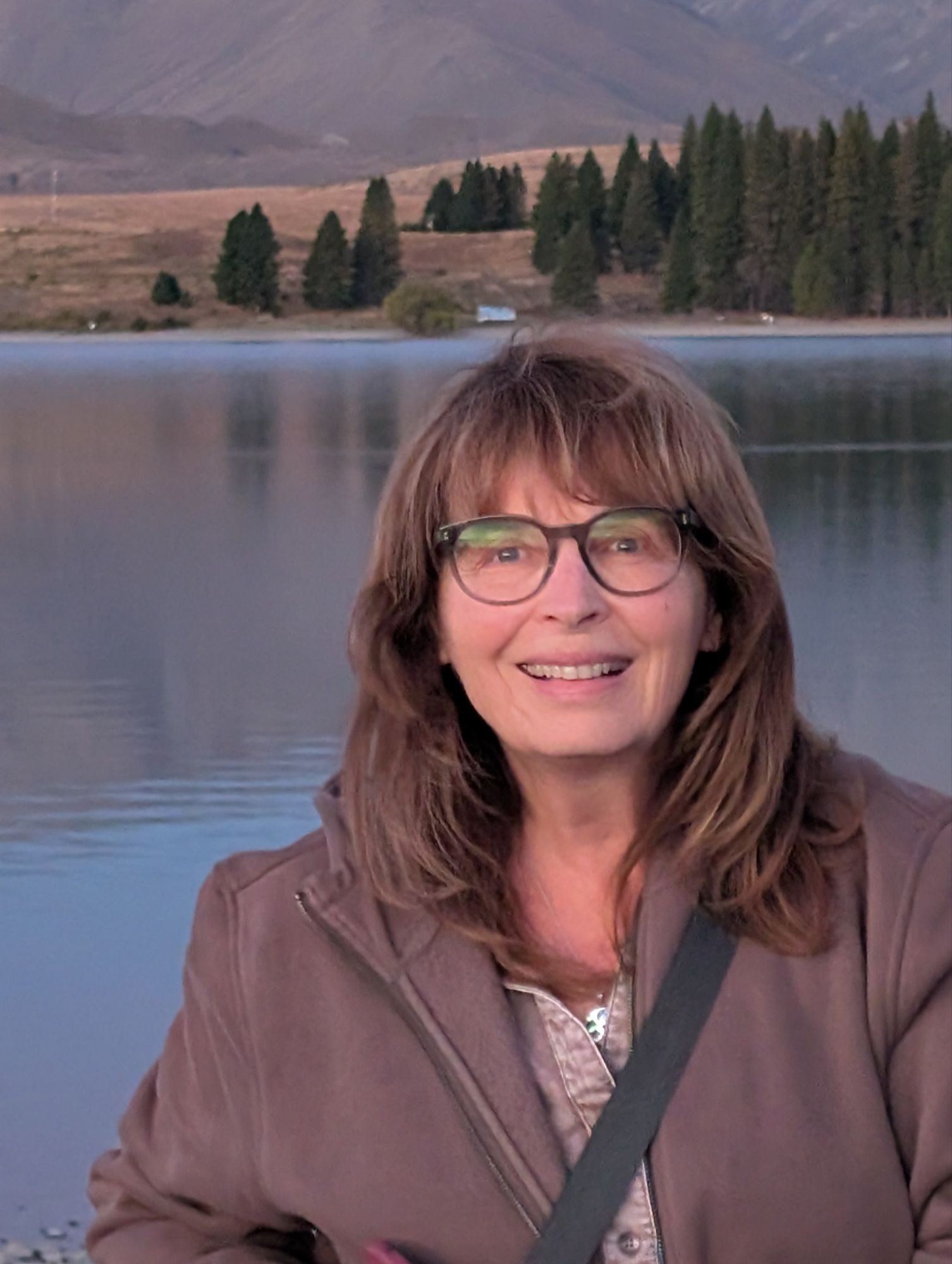
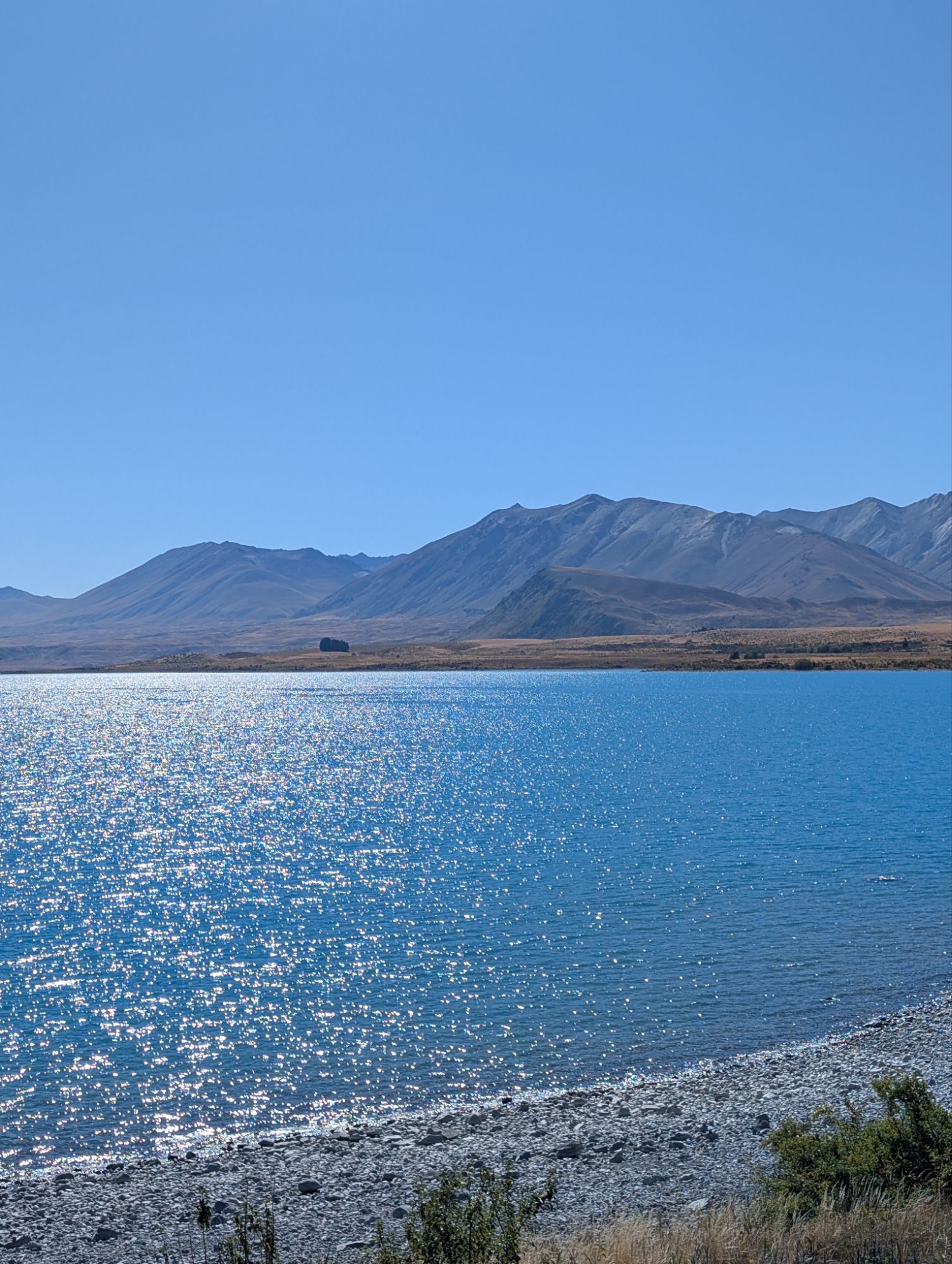
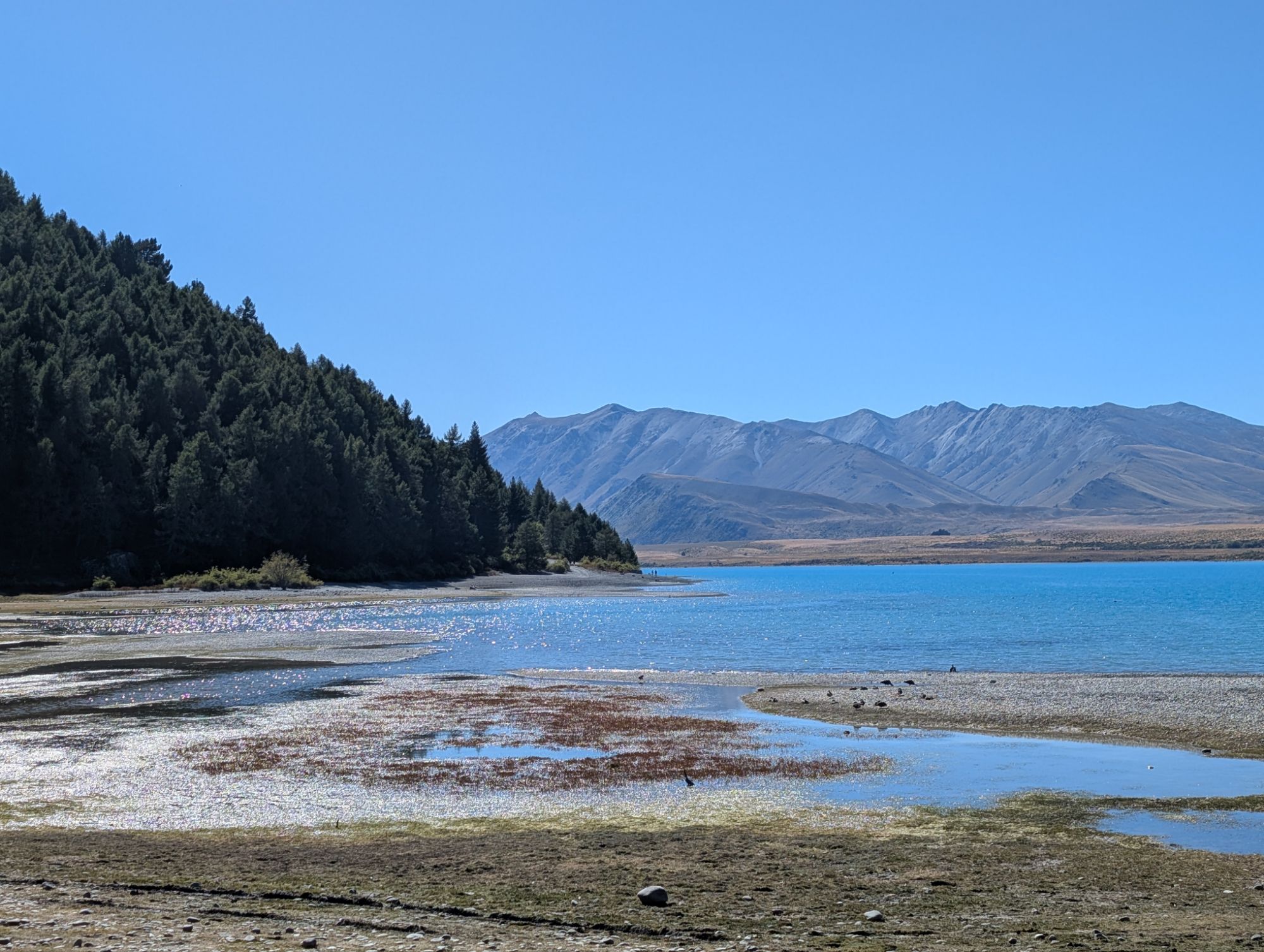
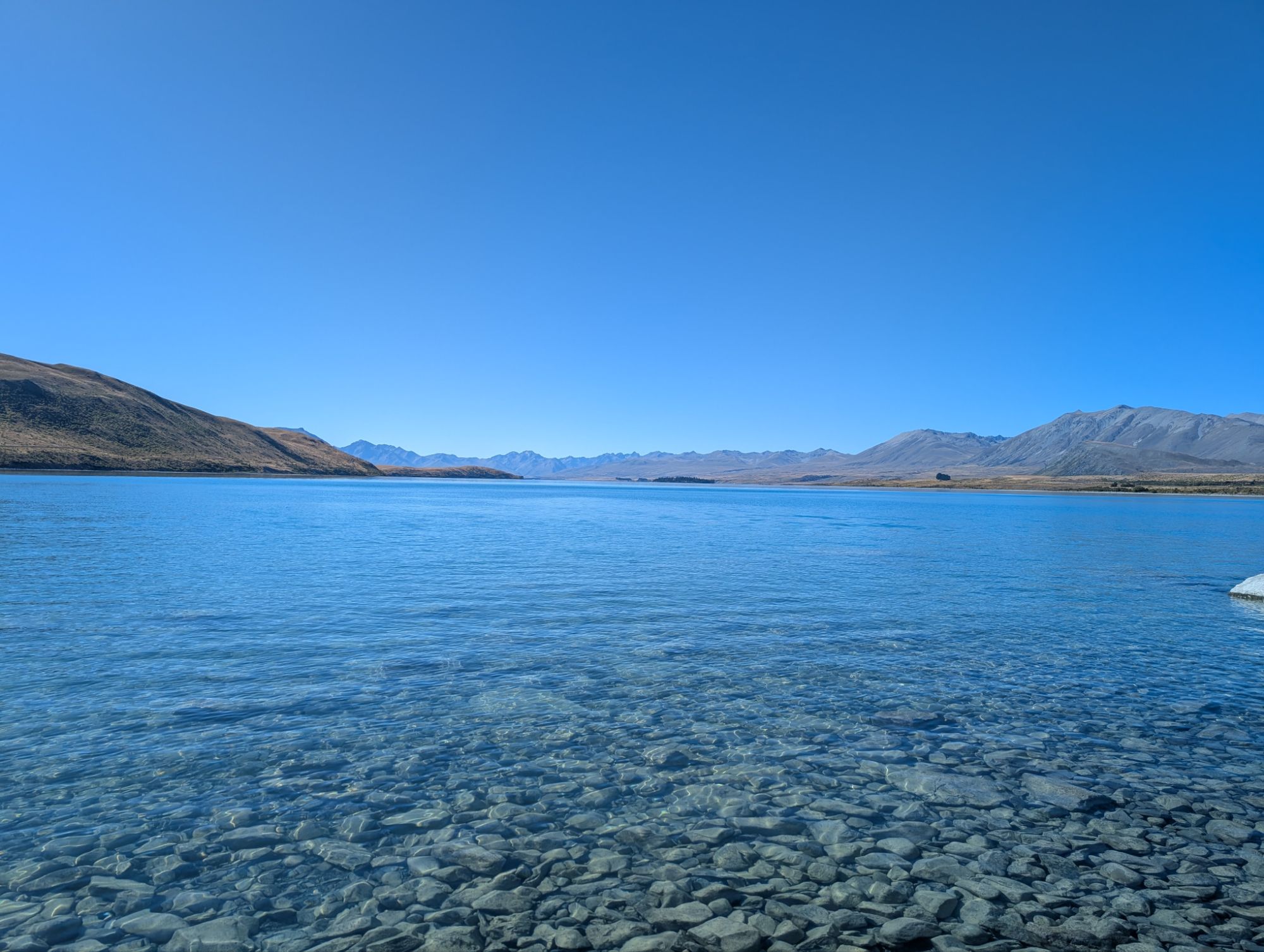
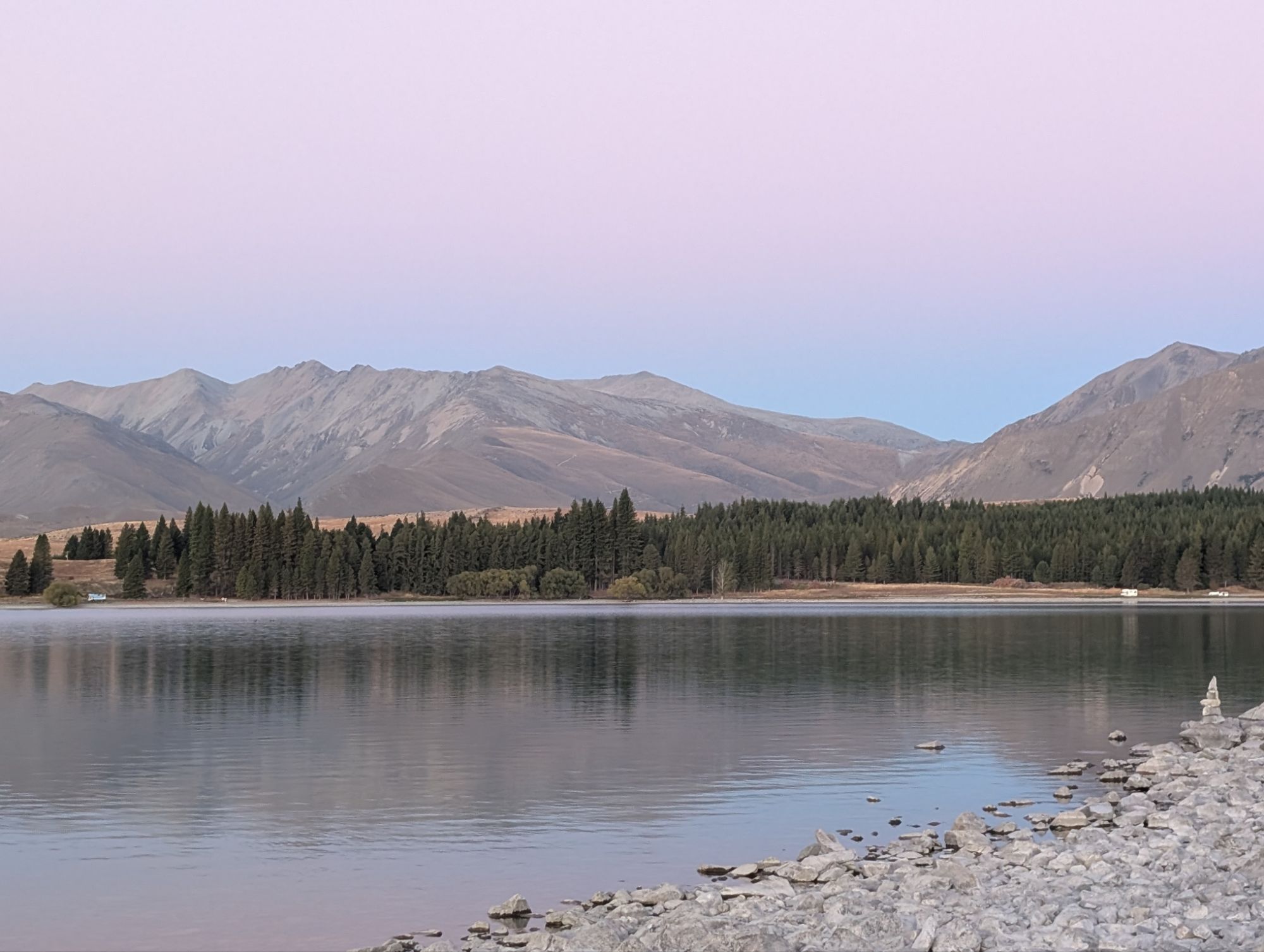
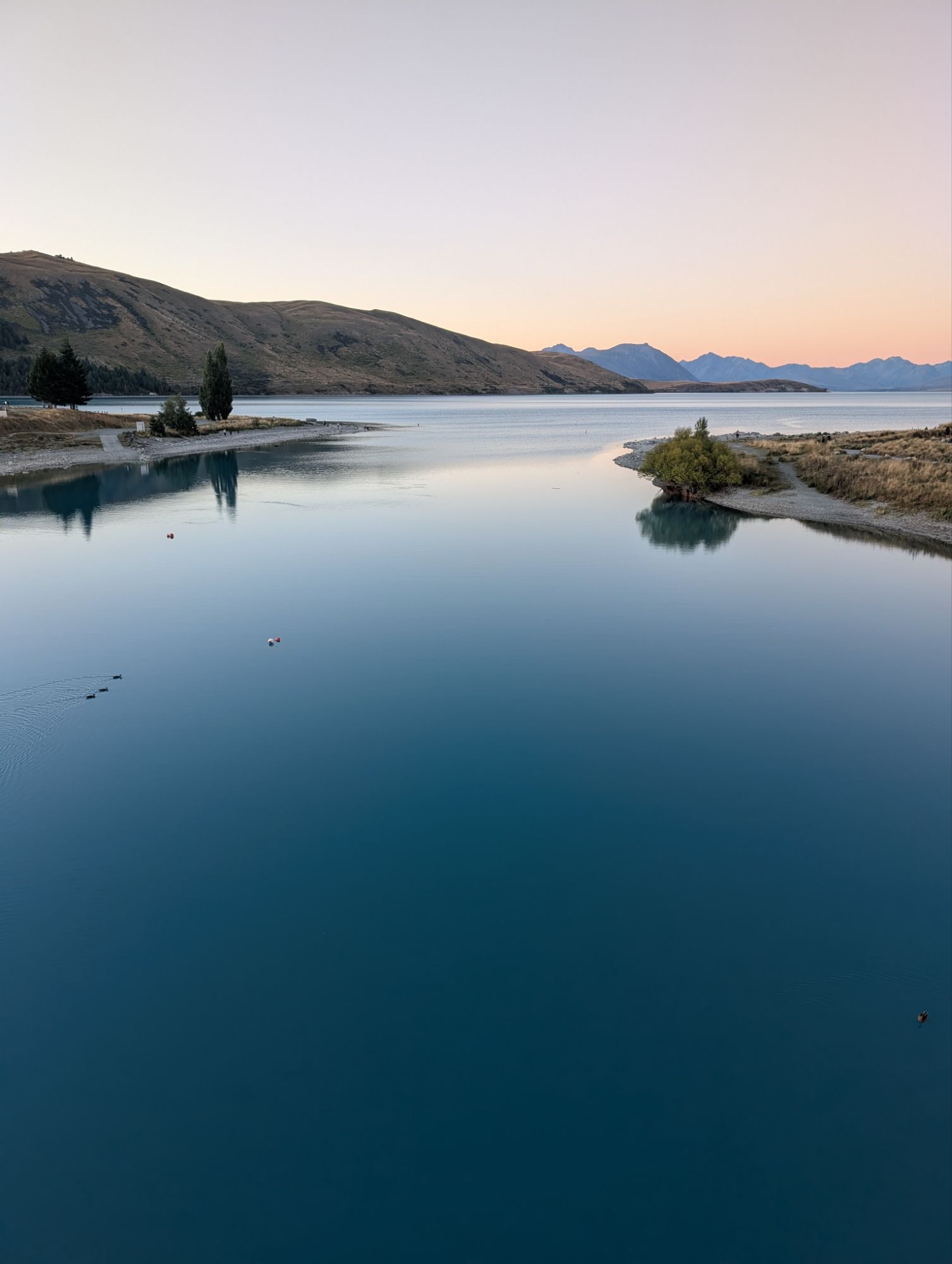
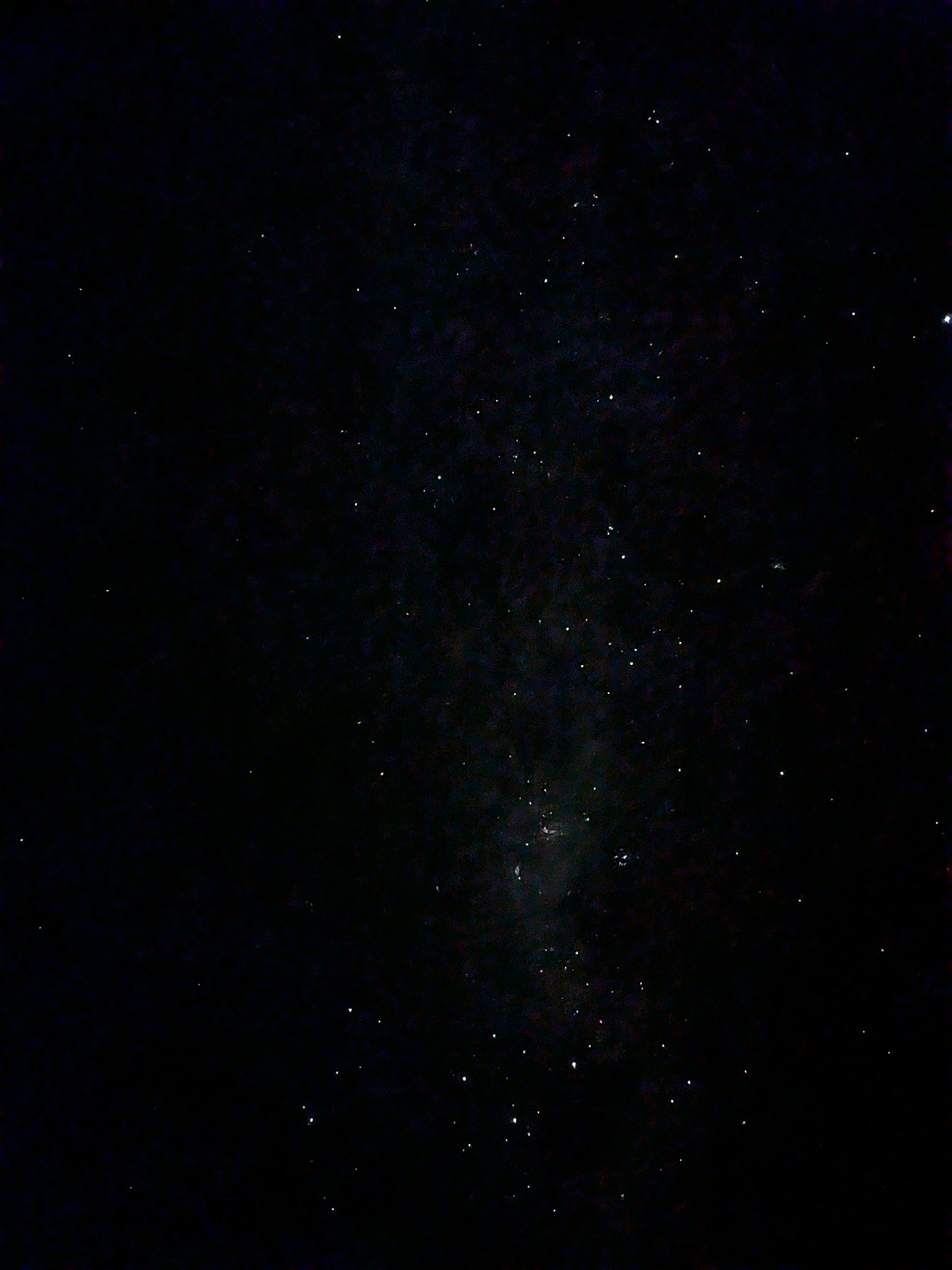
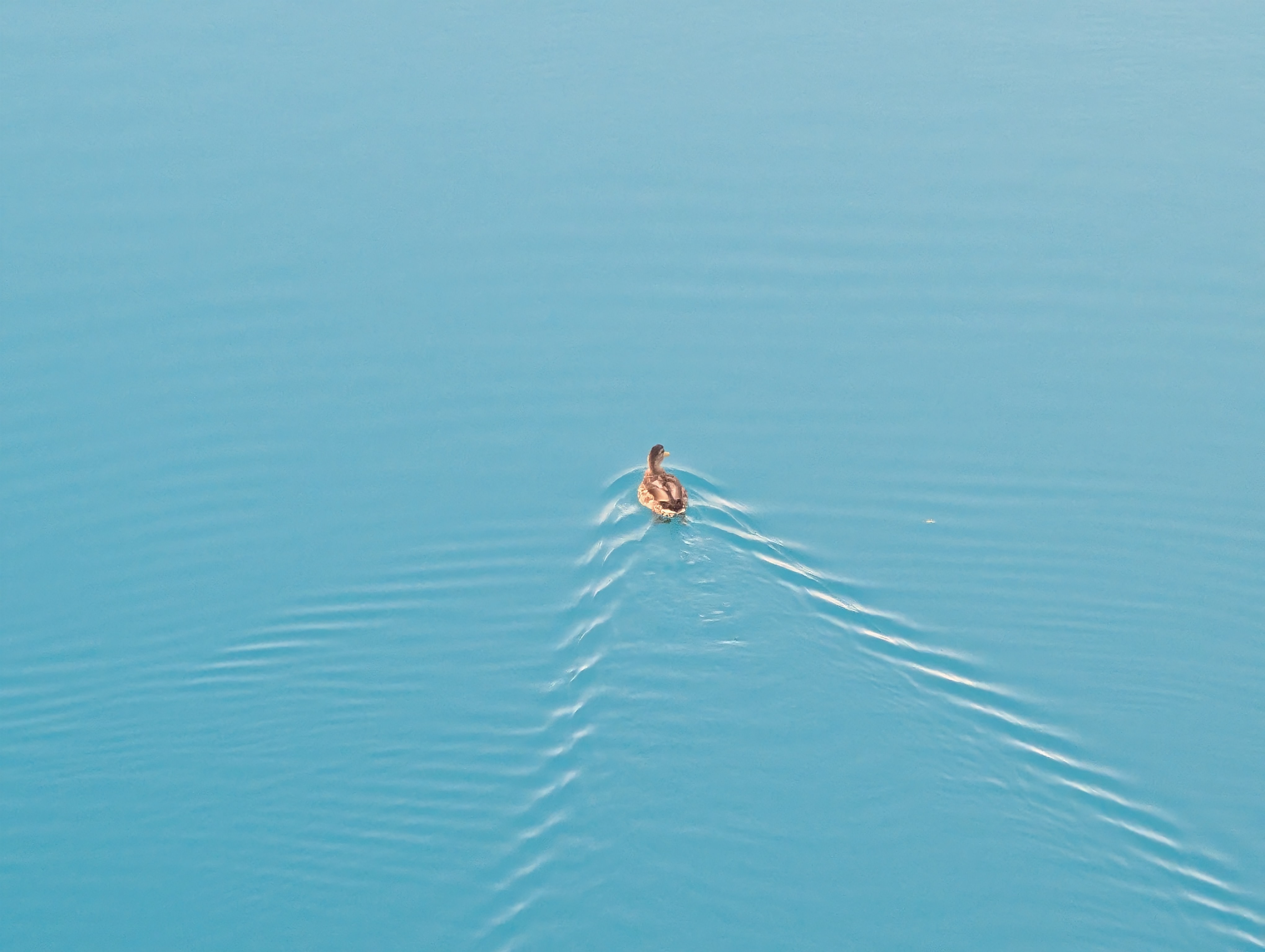
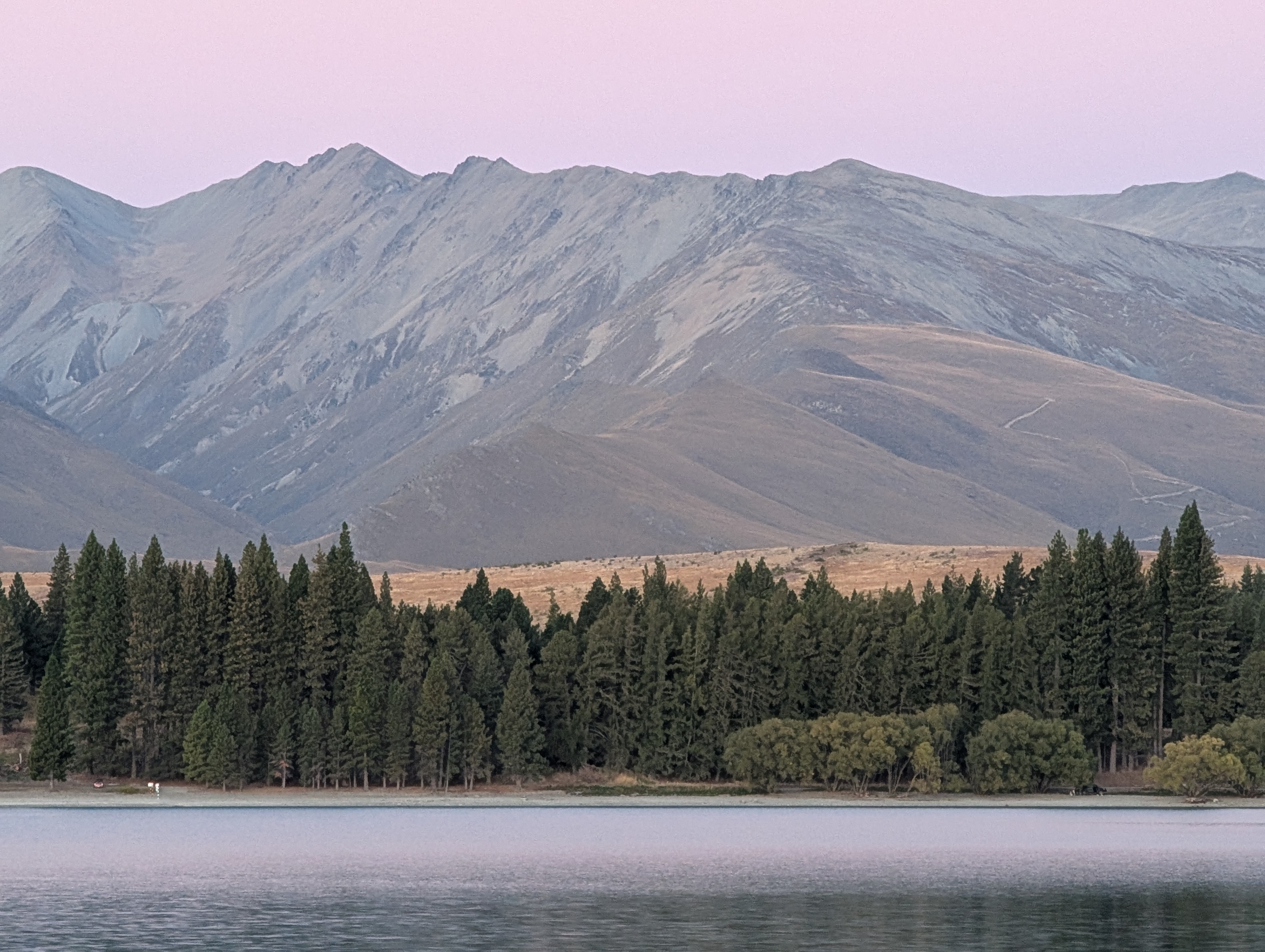
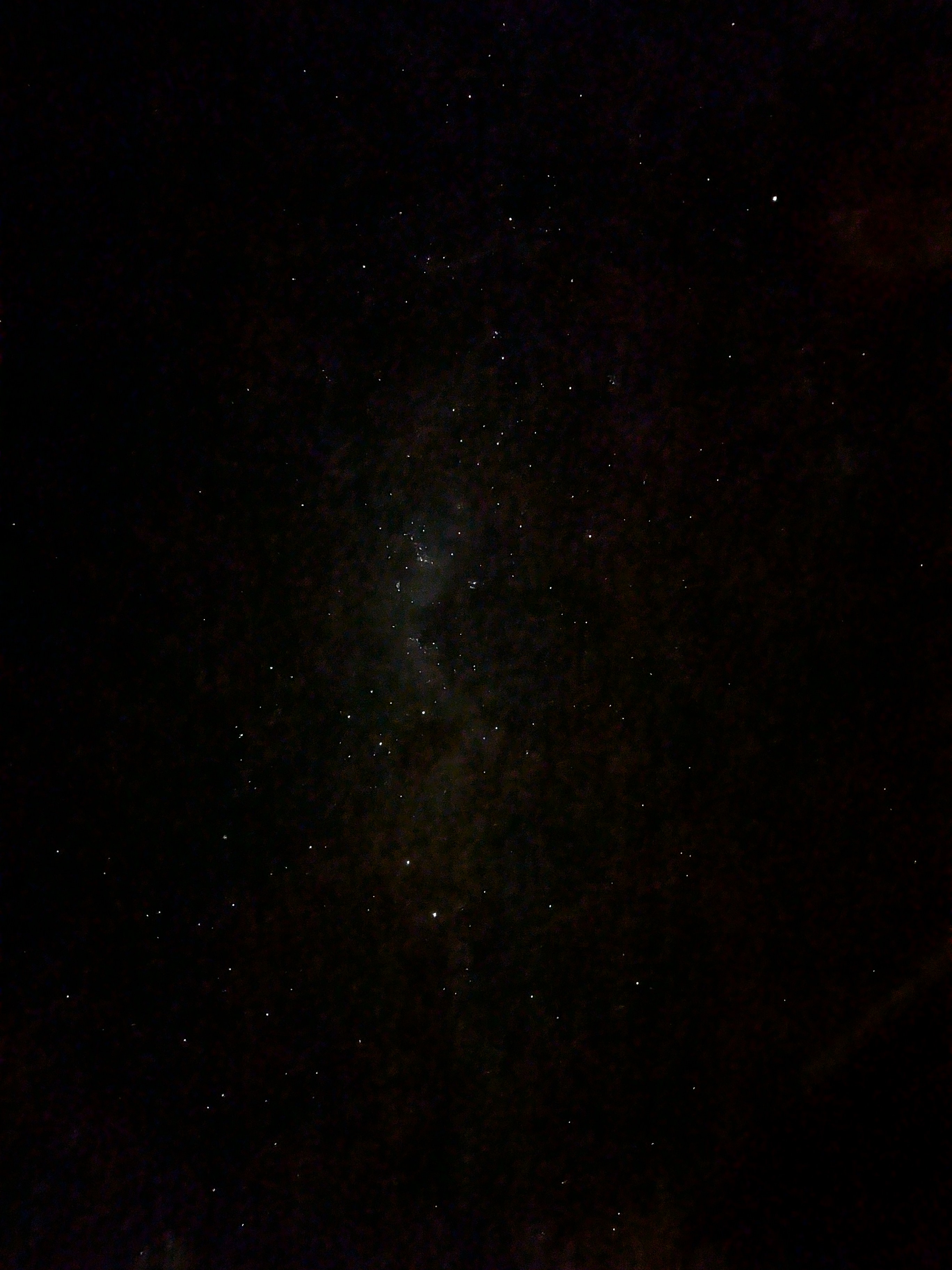
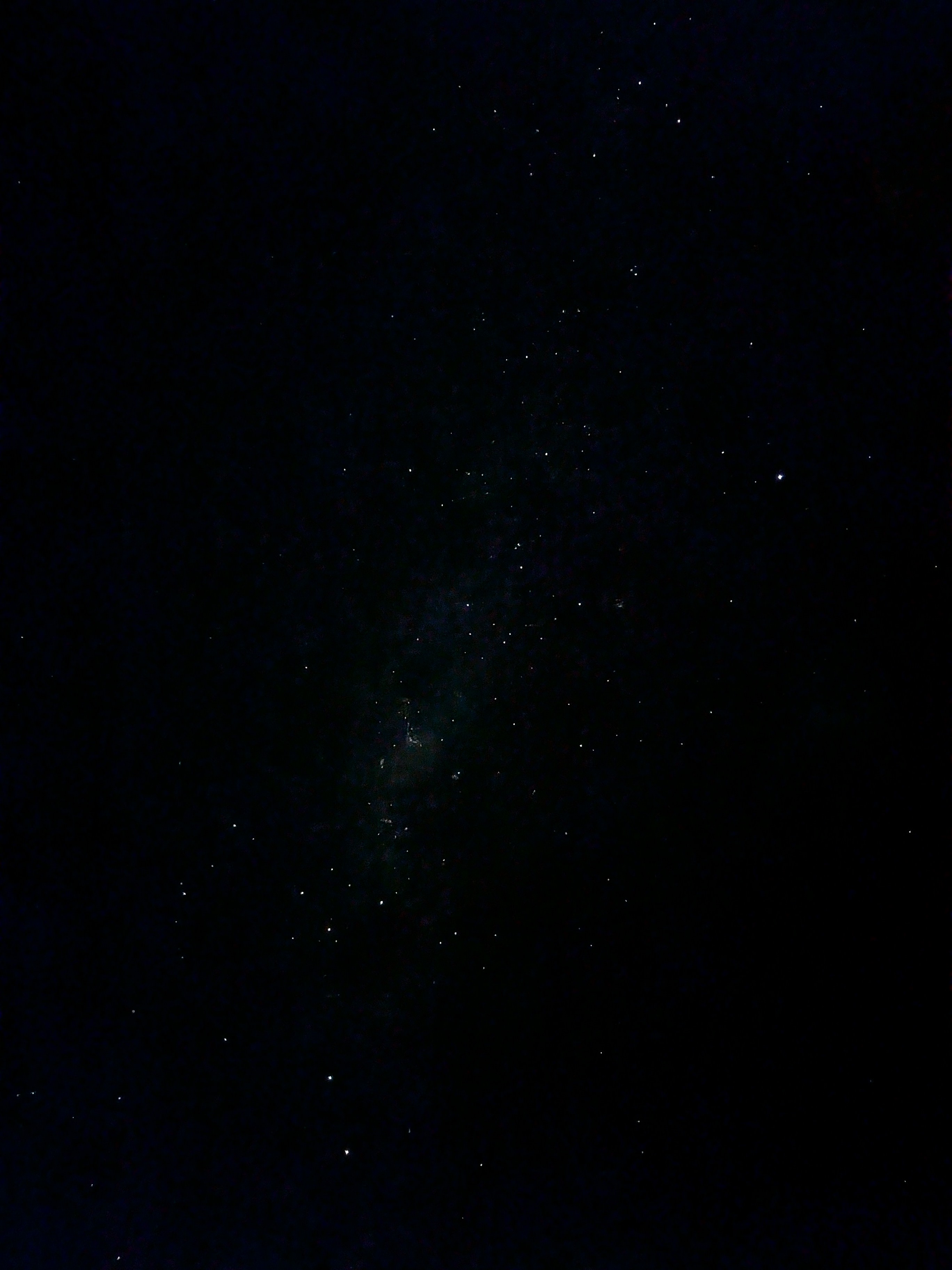
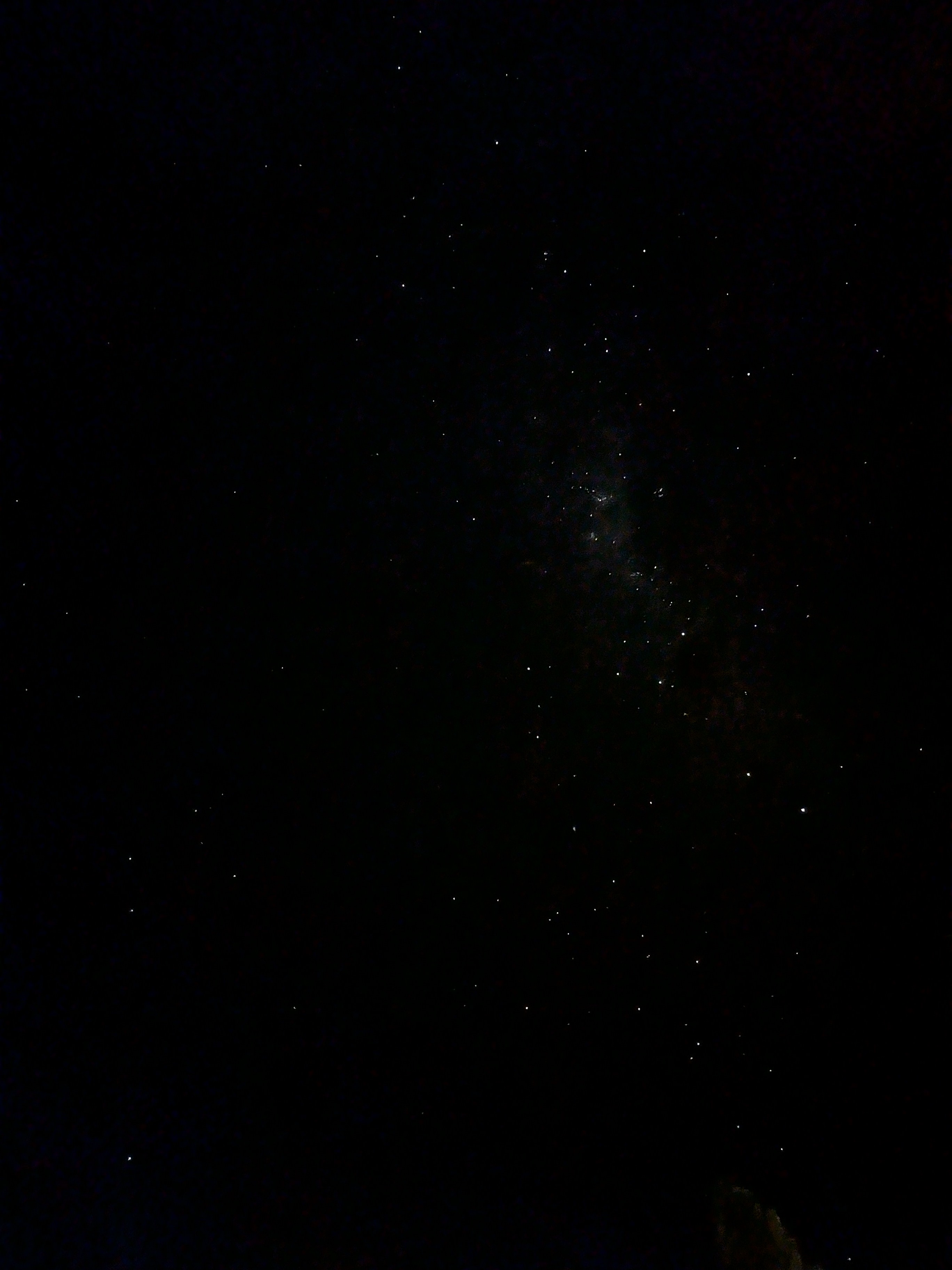
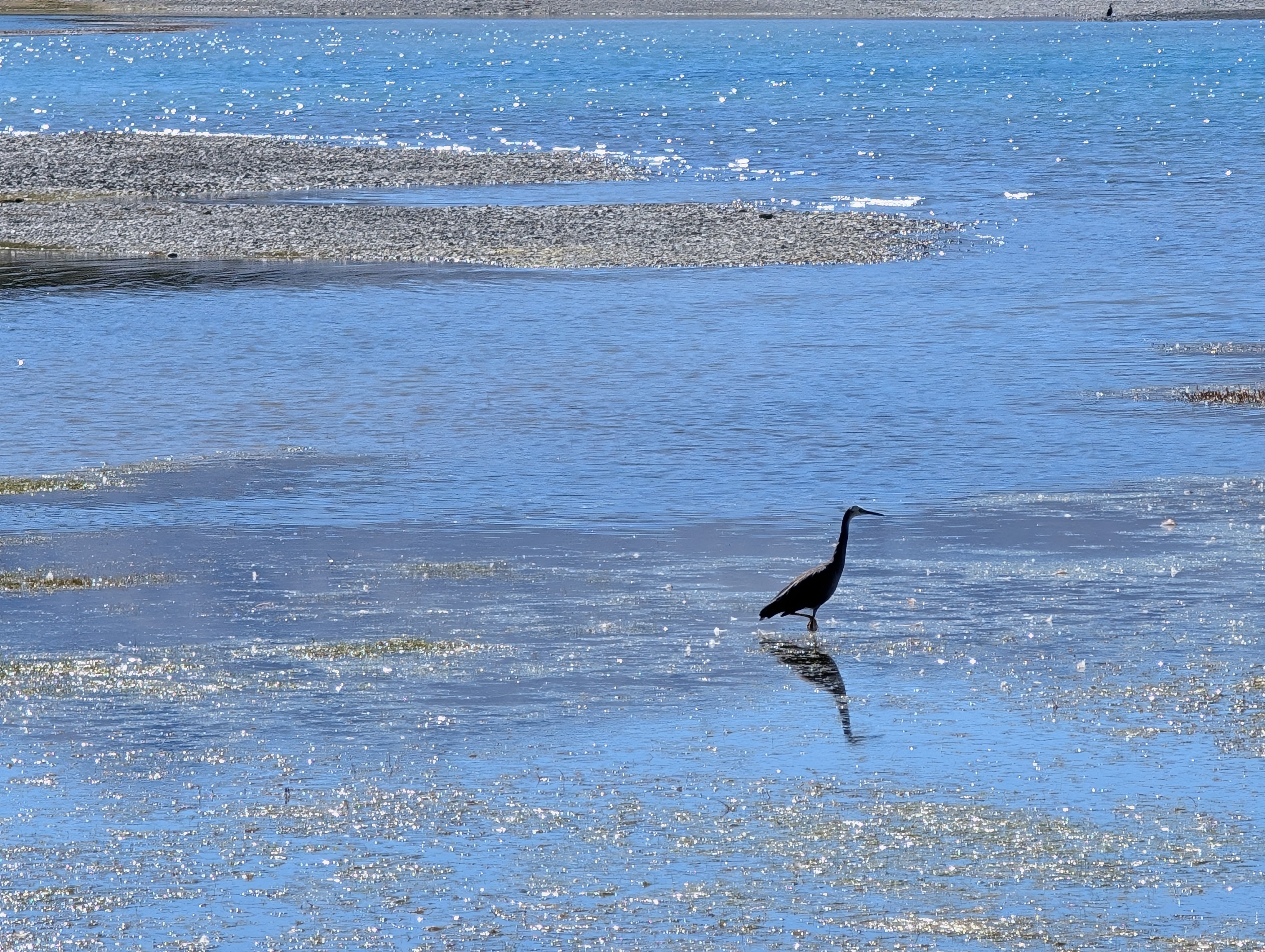
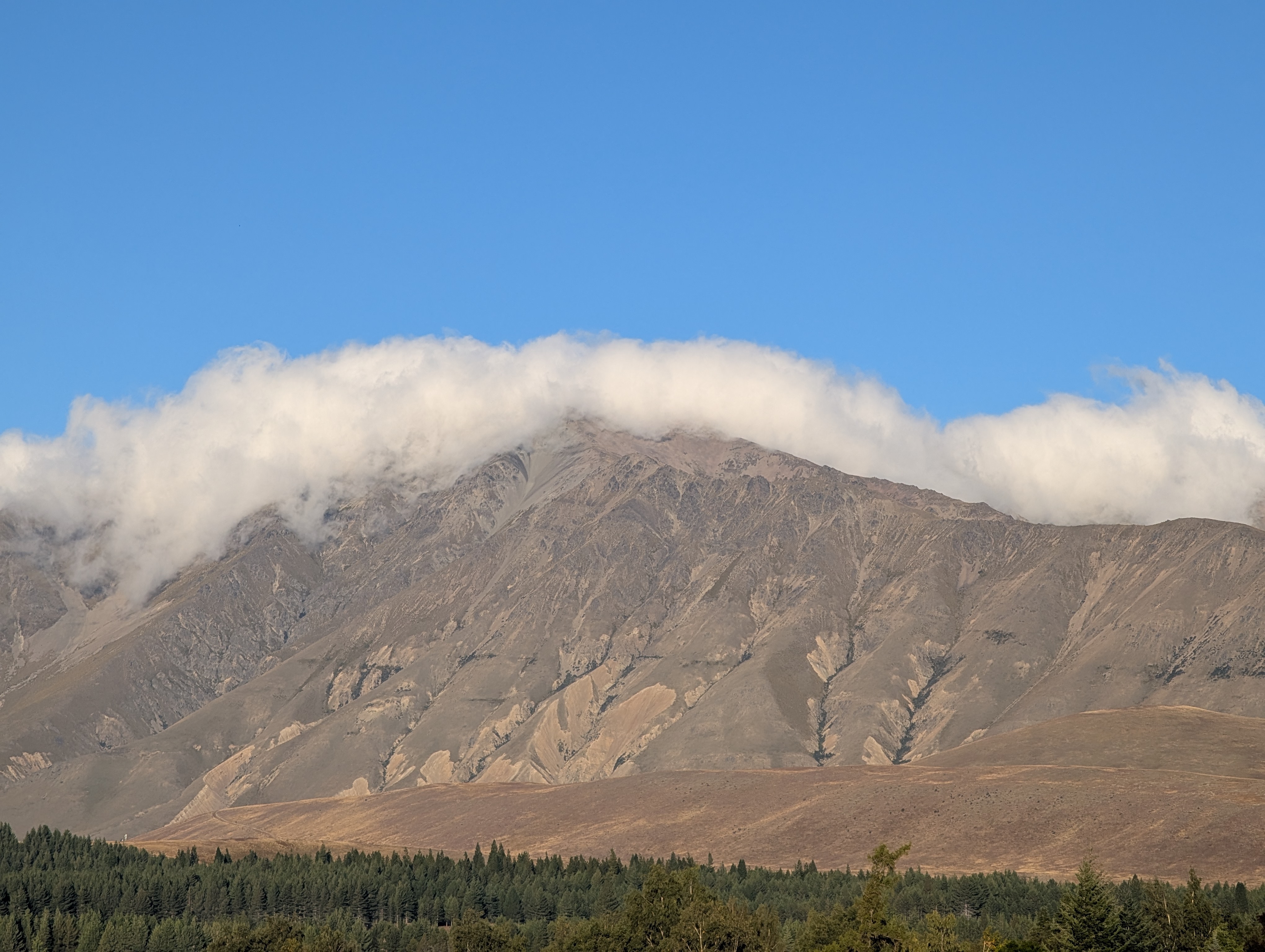
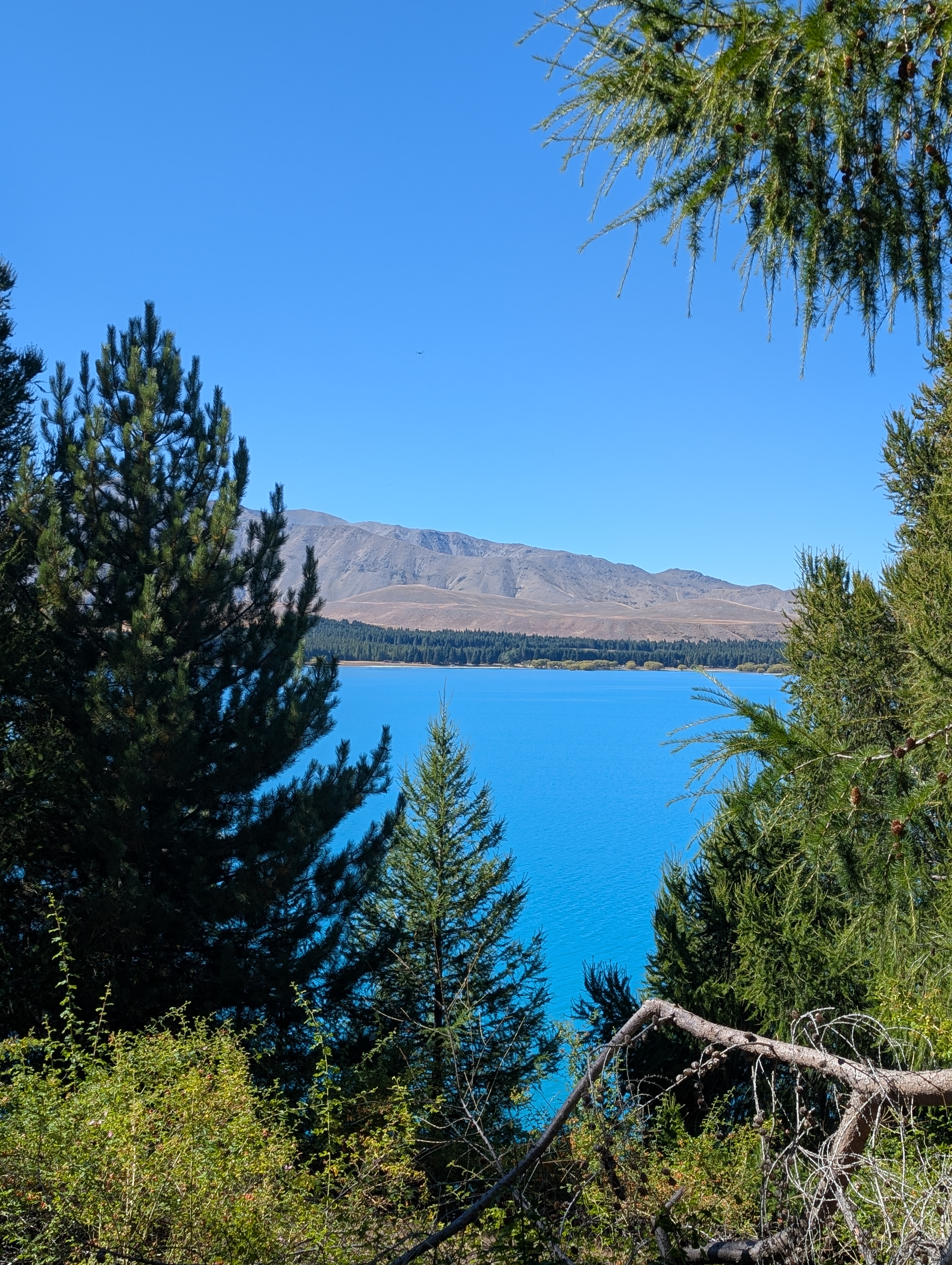
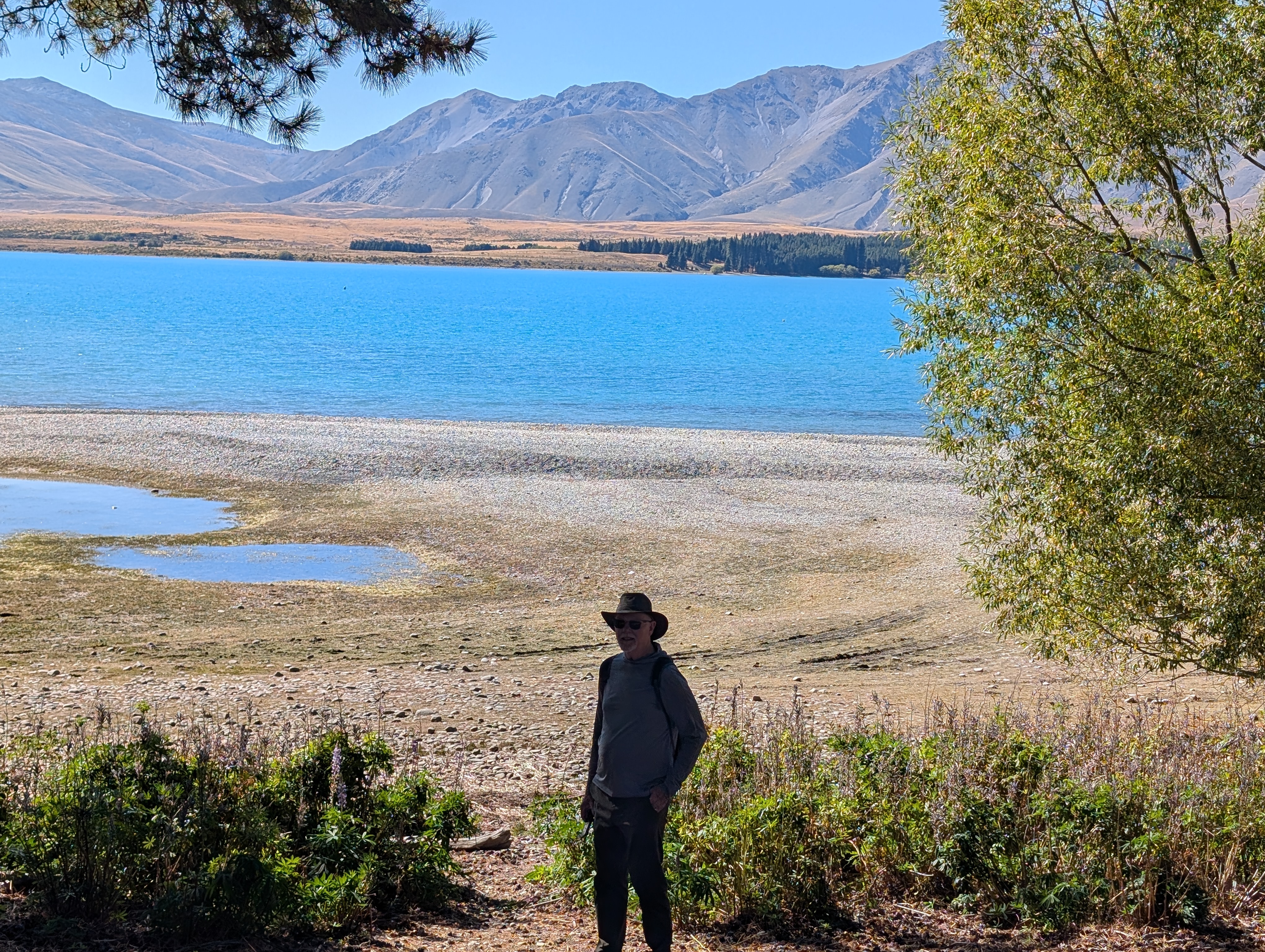
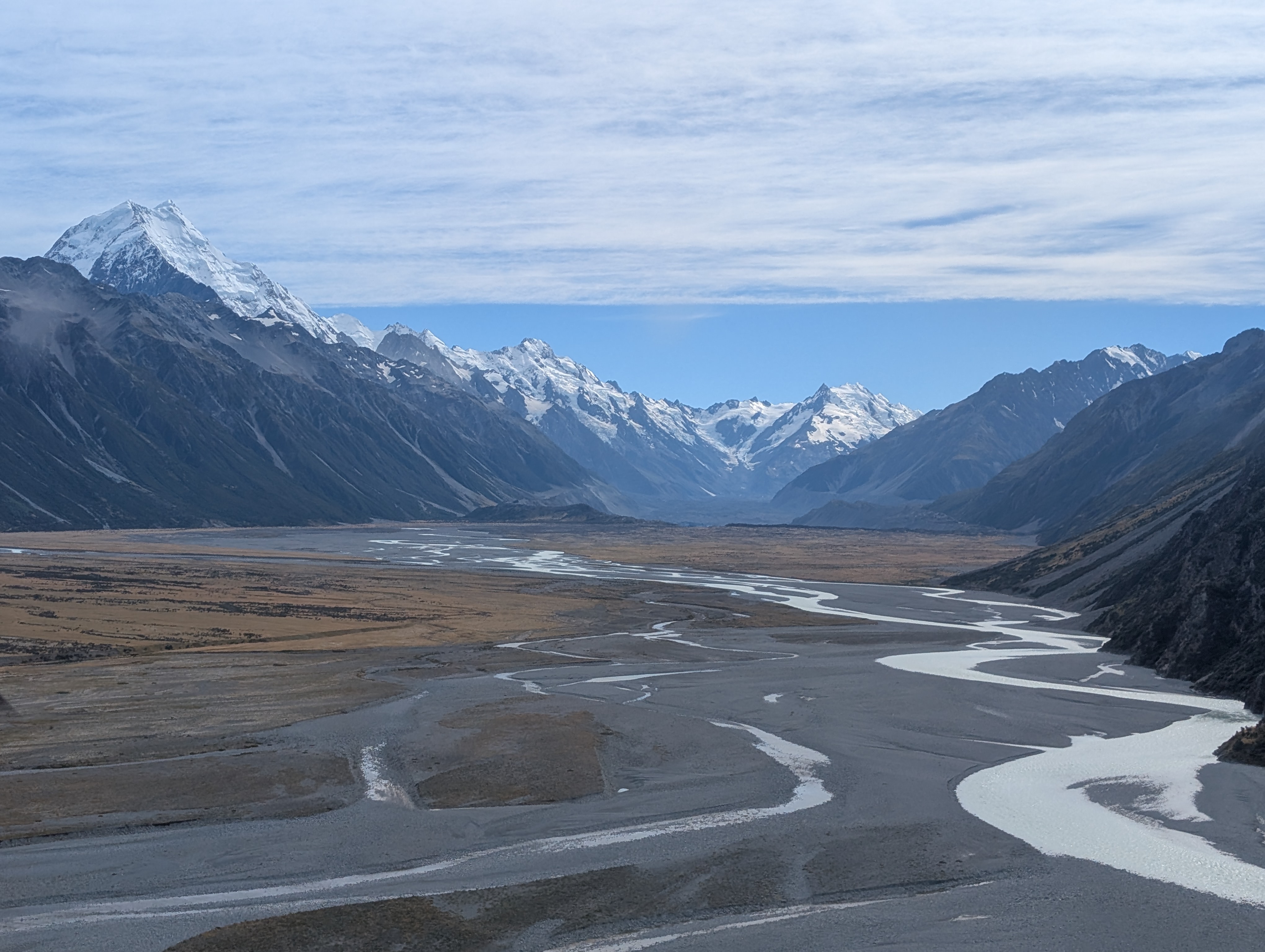
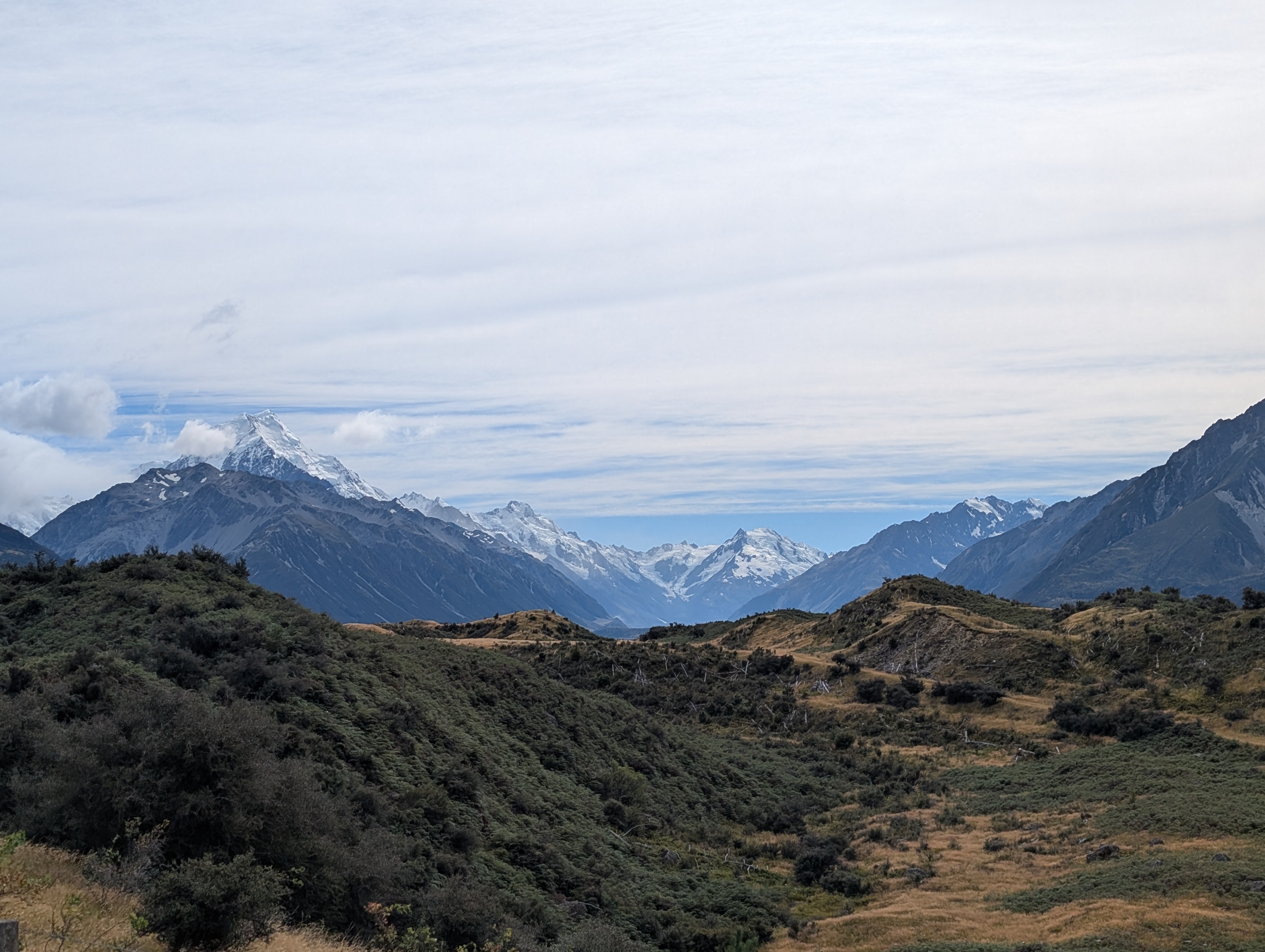
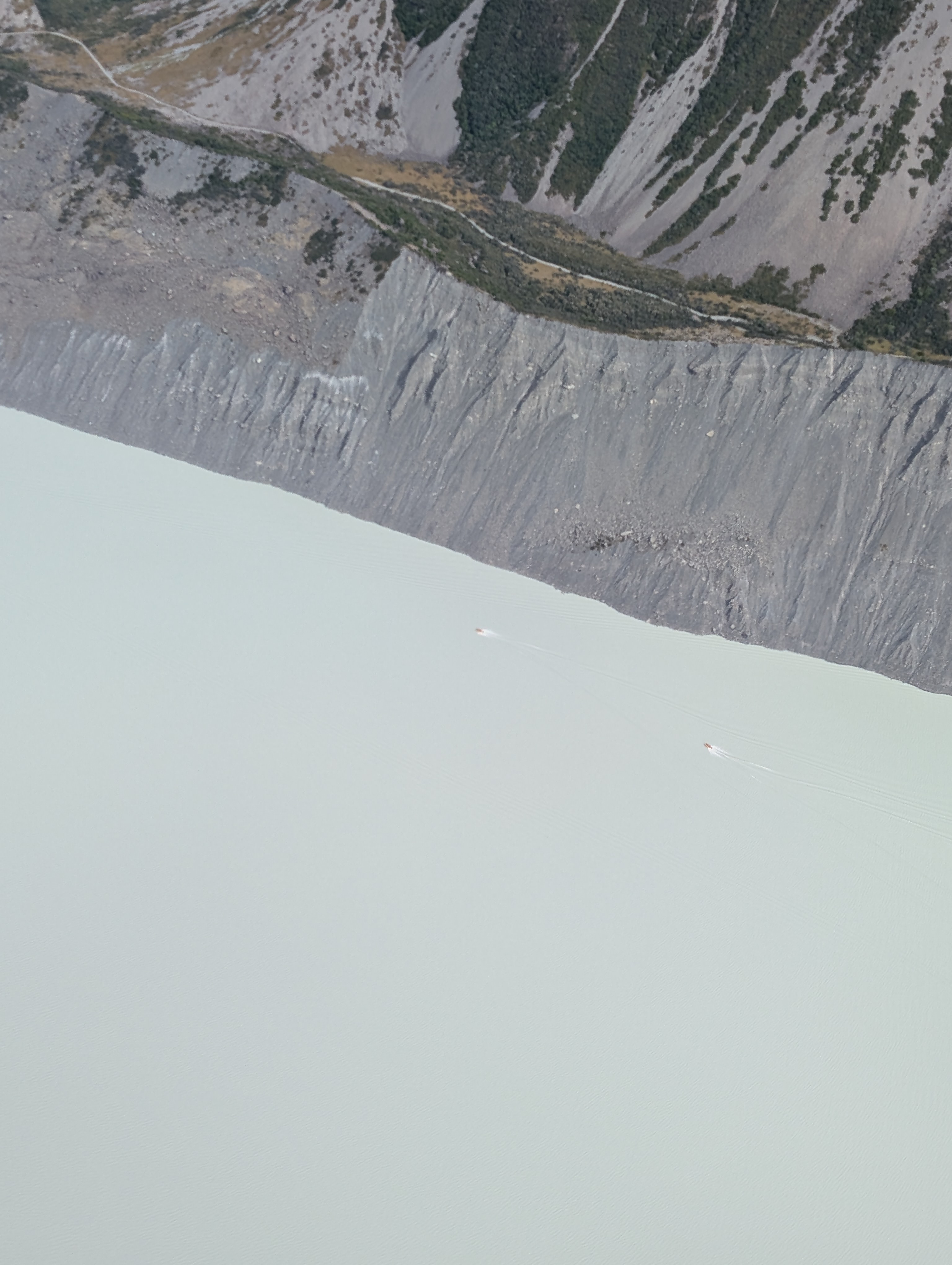
We just spent two nights on Lake Tekapo., a glacial lake fed from Mt. Cook. When we arrived, the lake didn’t look particularly significant. Mid-day, after a long drive, we saw autumn brown mountains and a rock strewn shoreline. After a well-needed rest, we returned to the shore before dinner and discovered what the fuss was all about. The mountains now looked like the efforts of a master plein air painter. The lake glowed as did we. Imagine a place where the sky is protected from human intrusion. There are no lights on the lakeshore to interrupt a clear night’s wonders. That night, we stayed up and went out to watch shooting stars, a bit of Aurora Borealis and far off galaxies. We could see a spiraling galaxy without a telescope. John tells me that if you click on the star photos, you may see a bit of what we did. Adding to our experience were the chatterings of Chinese tourists. Given how much they love their technology, I suspect their banter involved how one can best capture the Milky Way. The next morning after a late “lie in”, as they say here, we walked along the lake, glacial blue matching the clear sky. Incredible. My journal prompt this morning asked how I felt about traveling to, and possibly inhabiting, other planets. This planet of our is a rare creation. Why would we want to go elsewhere? Then again, last night we talked to some French tourists who were struggling to find their way back to France. Traveling through the Middle East, which they did when they came to New Zealand is no longer an option. As we luxuriate in such natural splendor, humans are damaging this divine gift.
Mt Cook
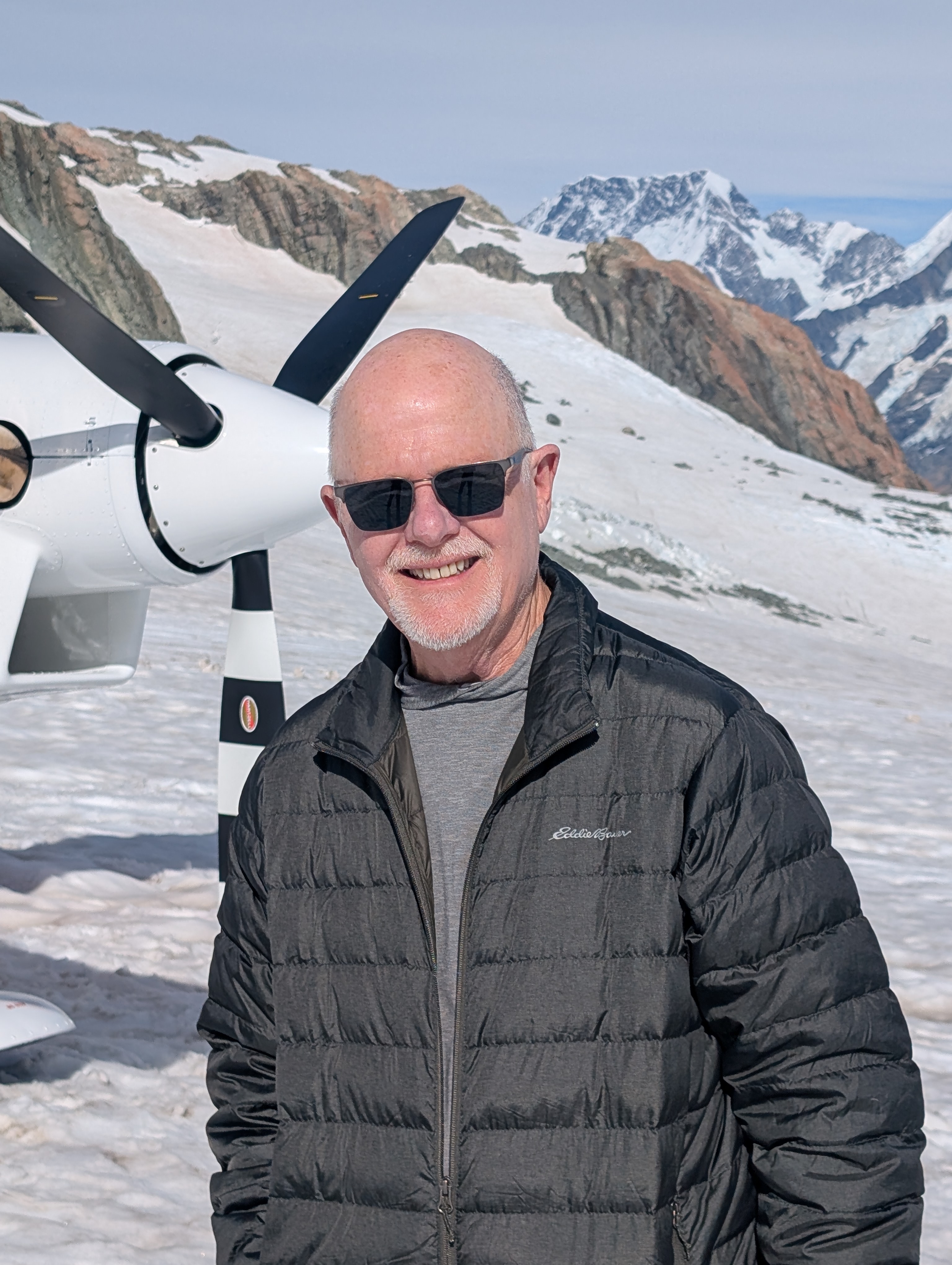
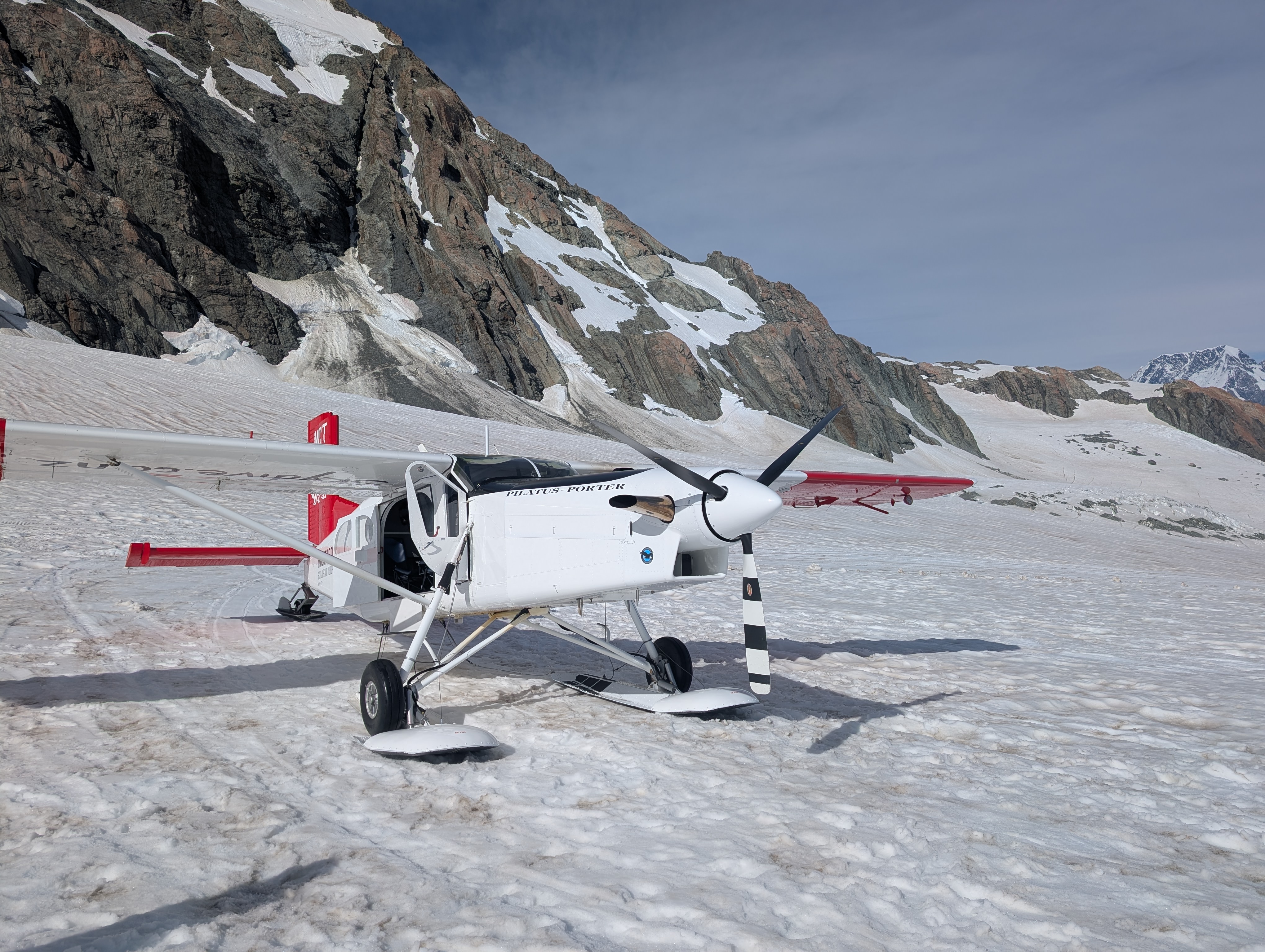
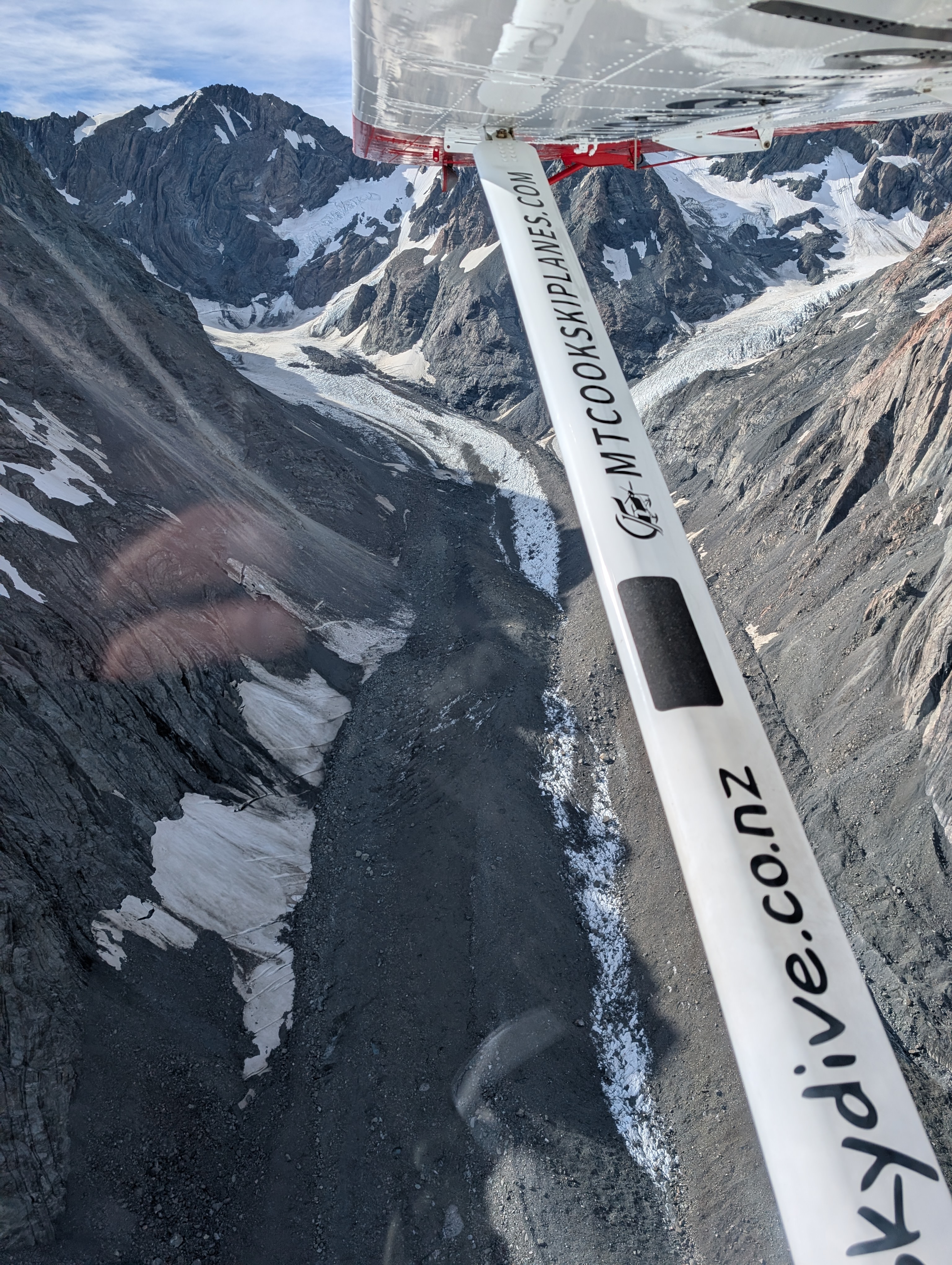
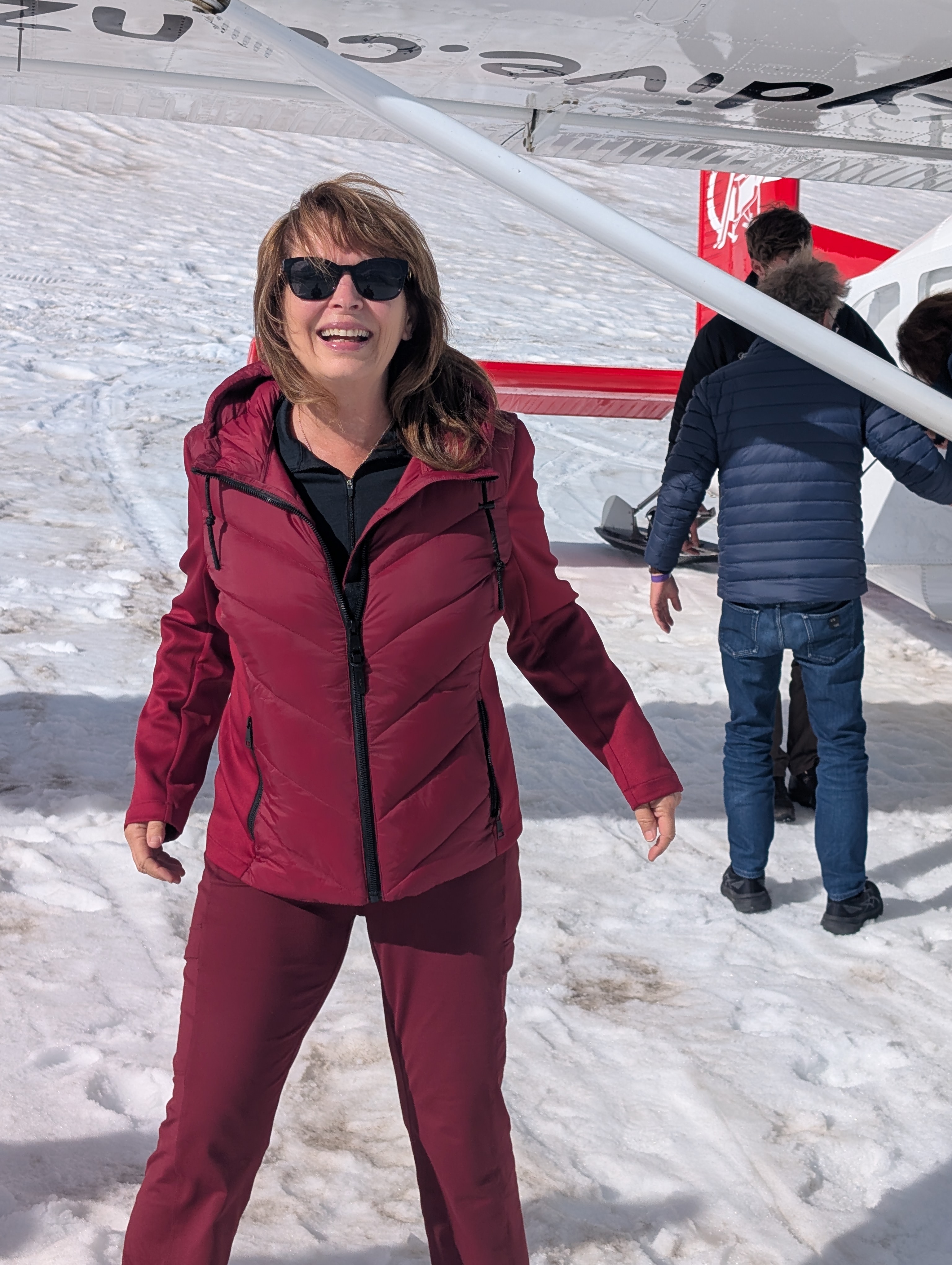
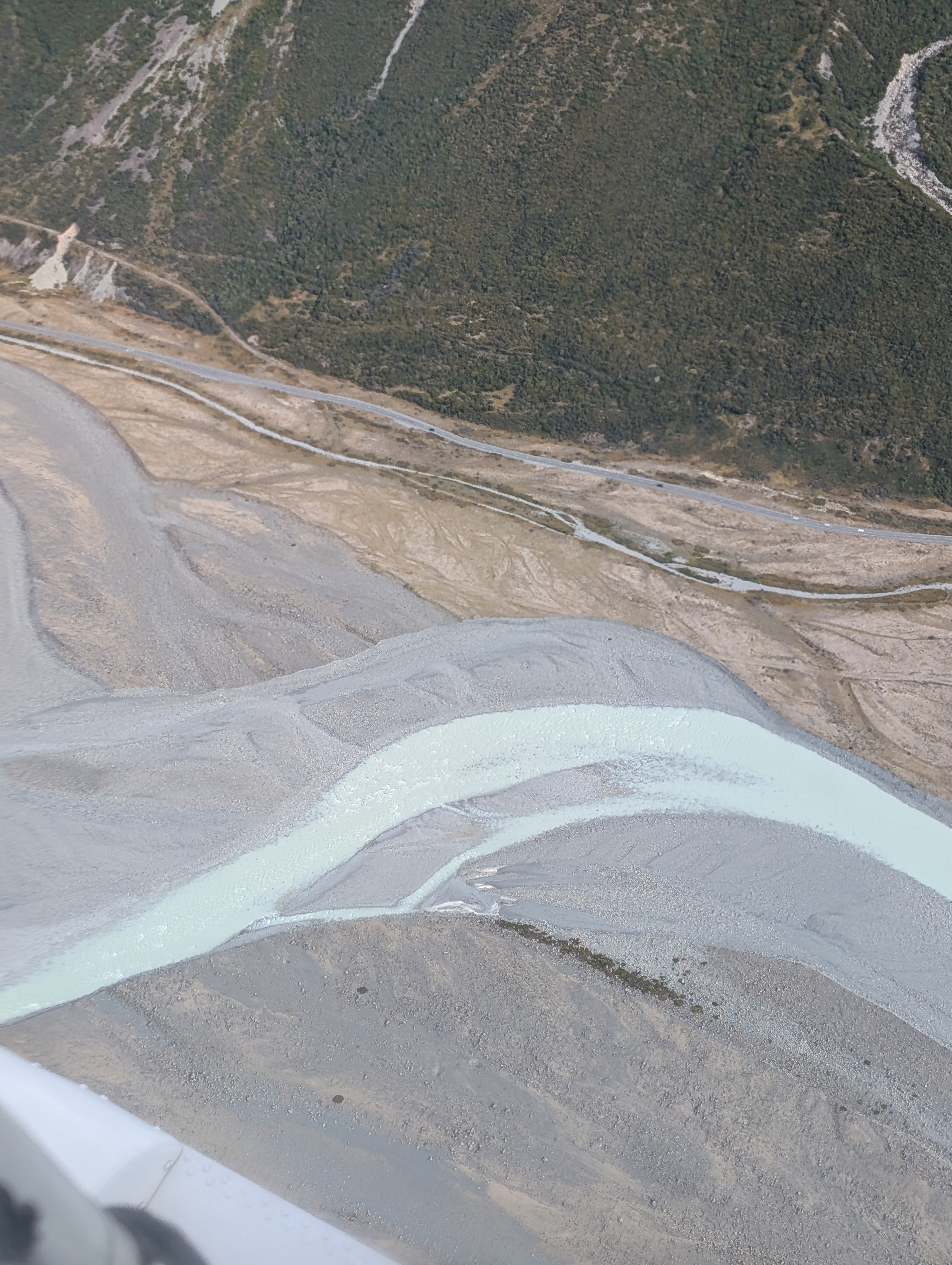
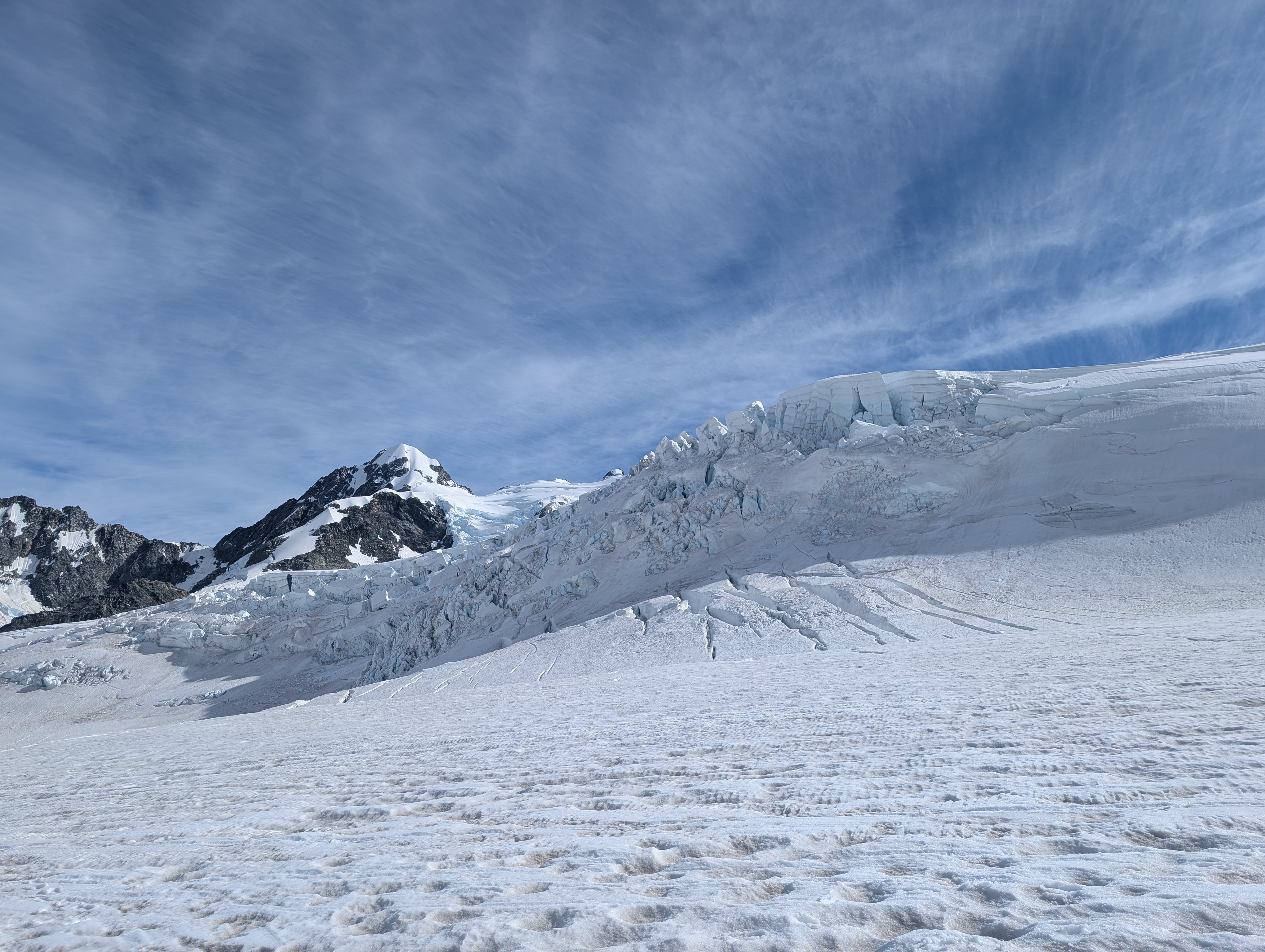
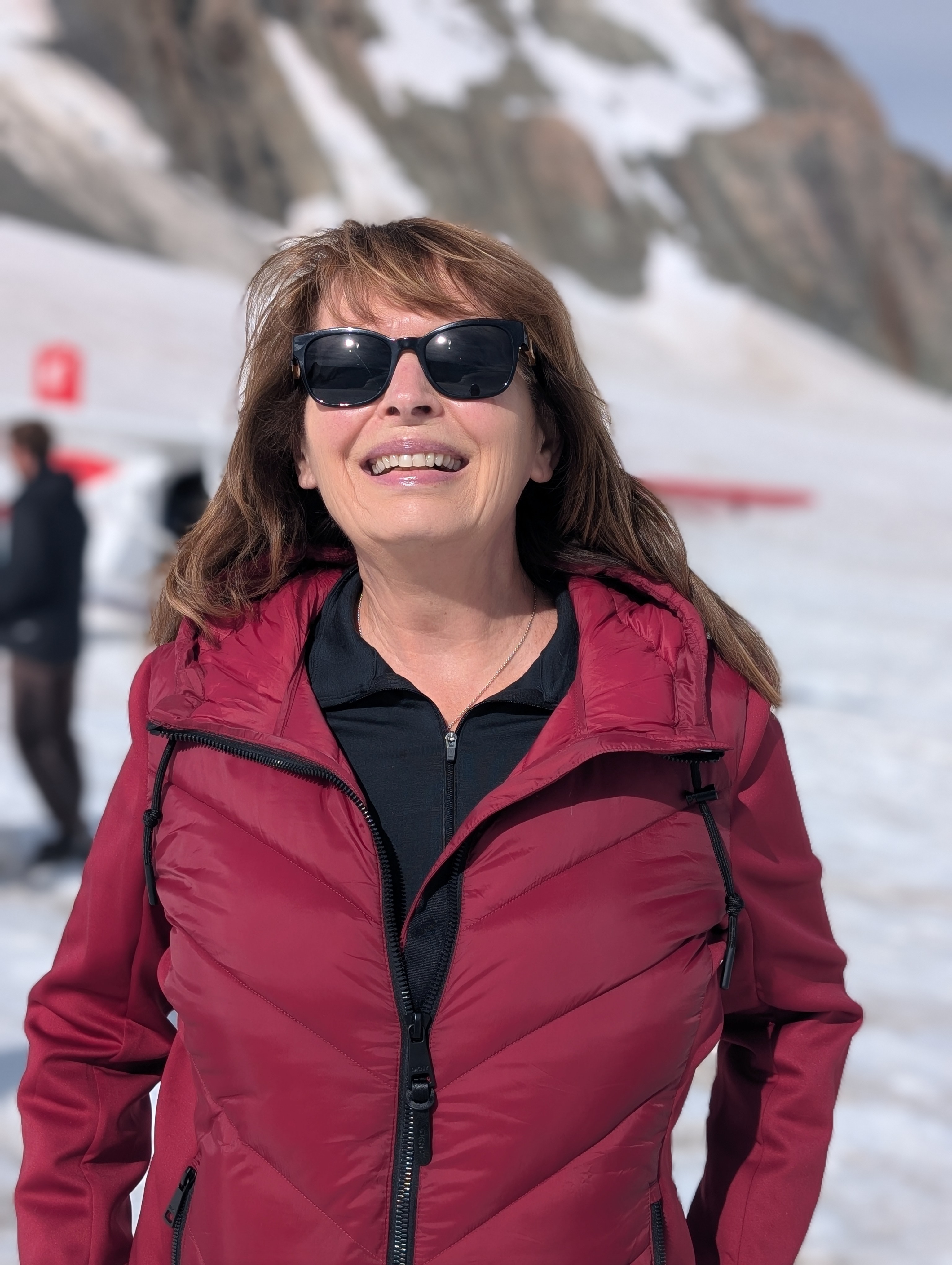
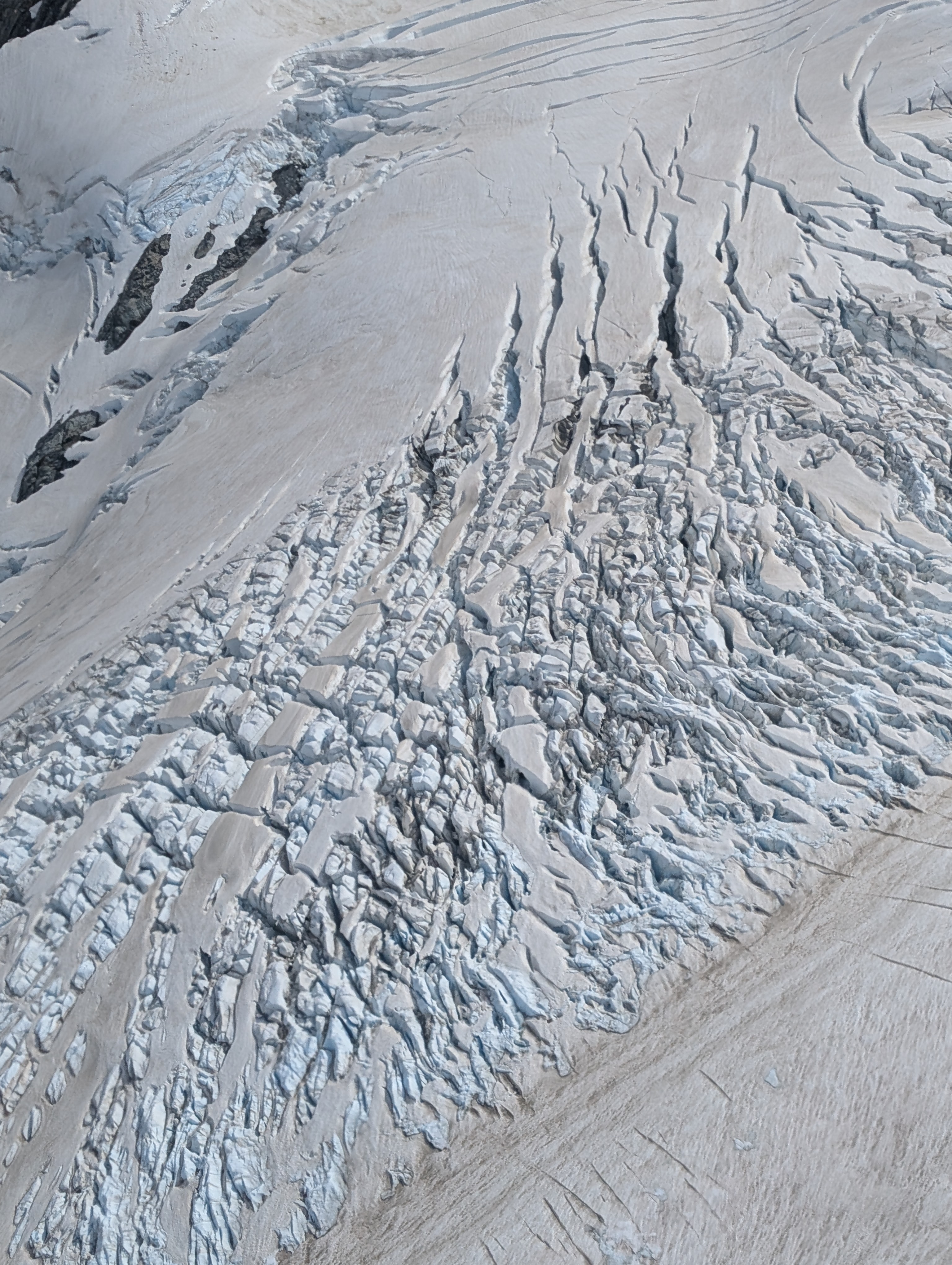
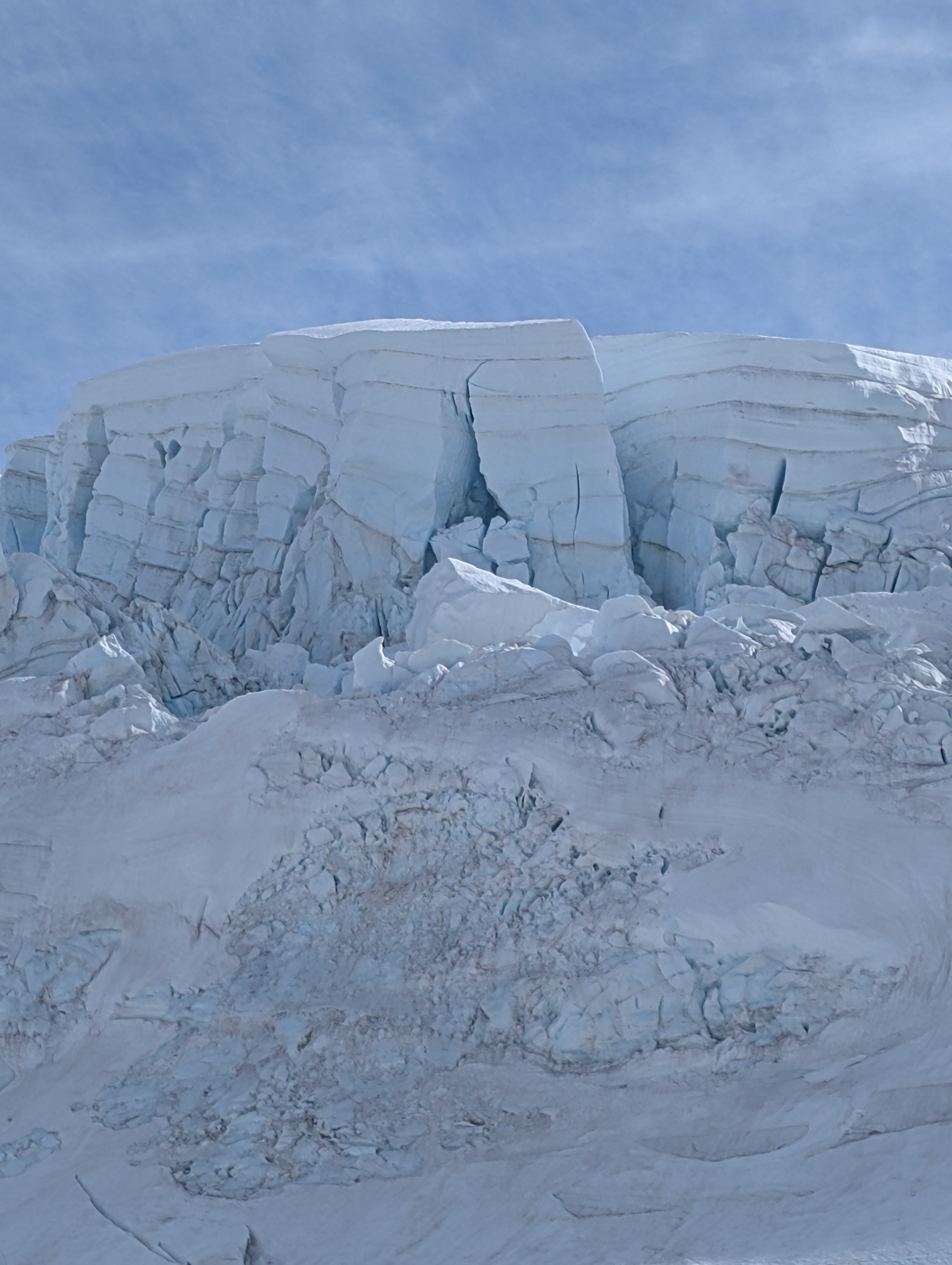
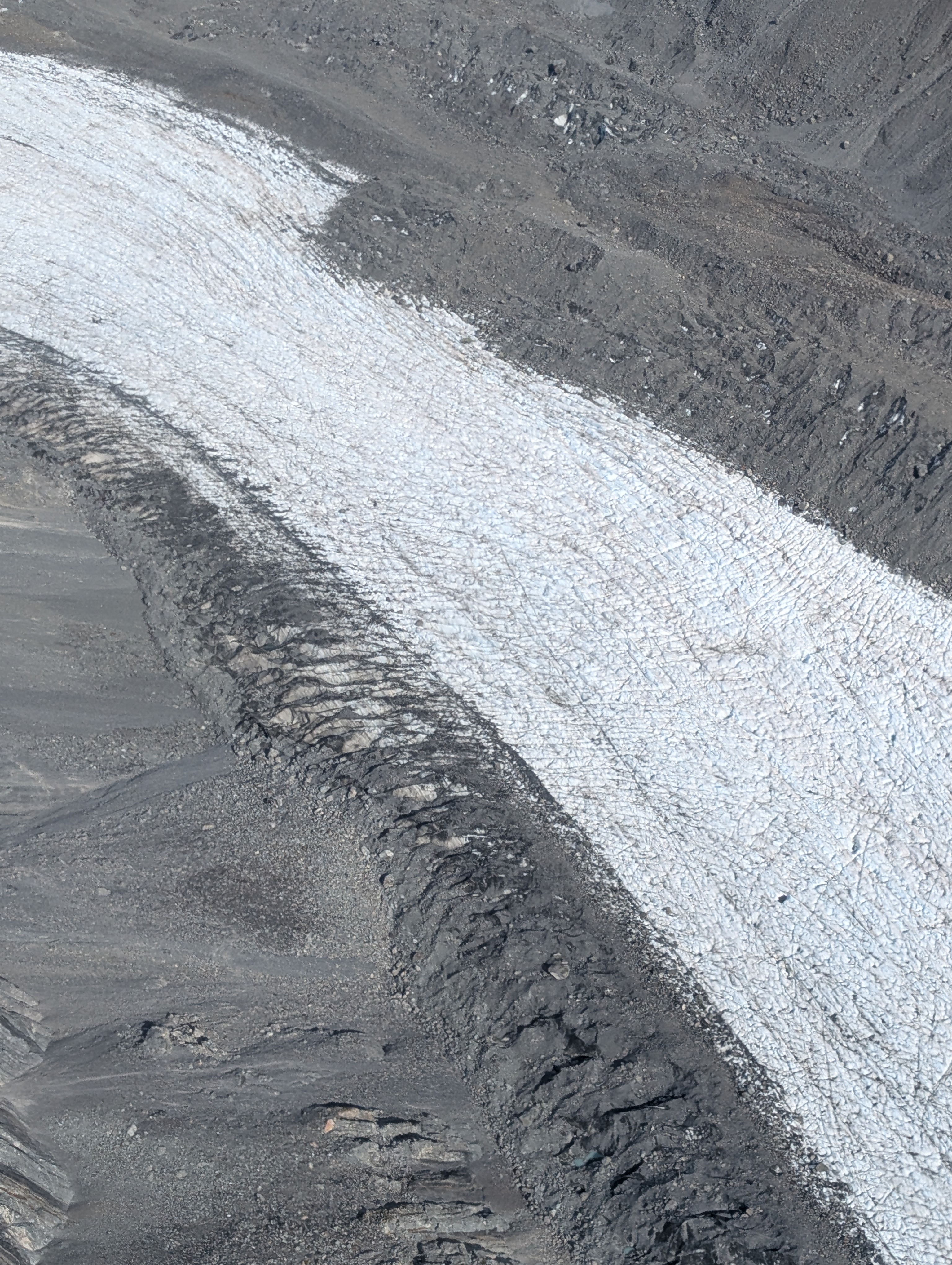
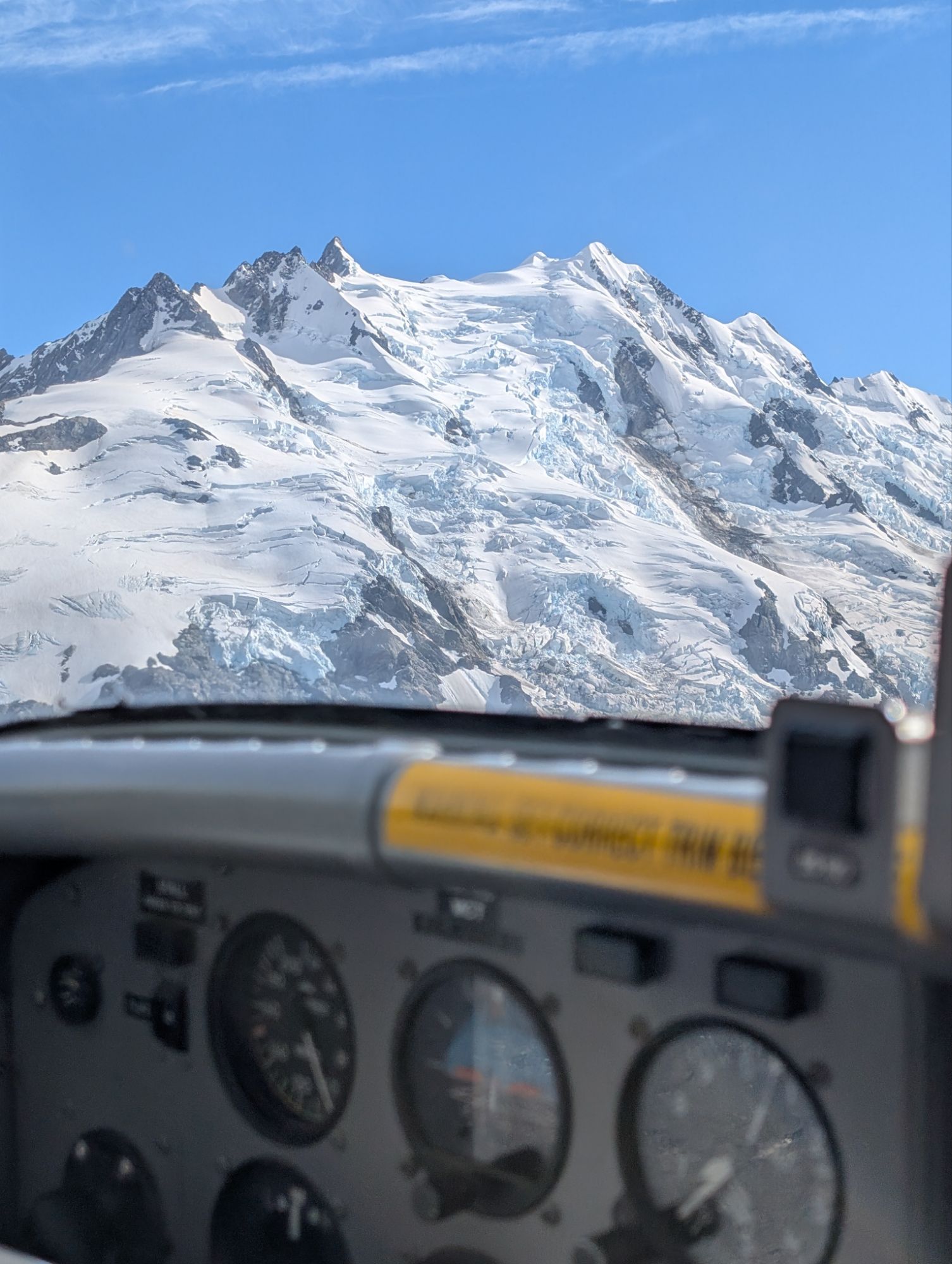
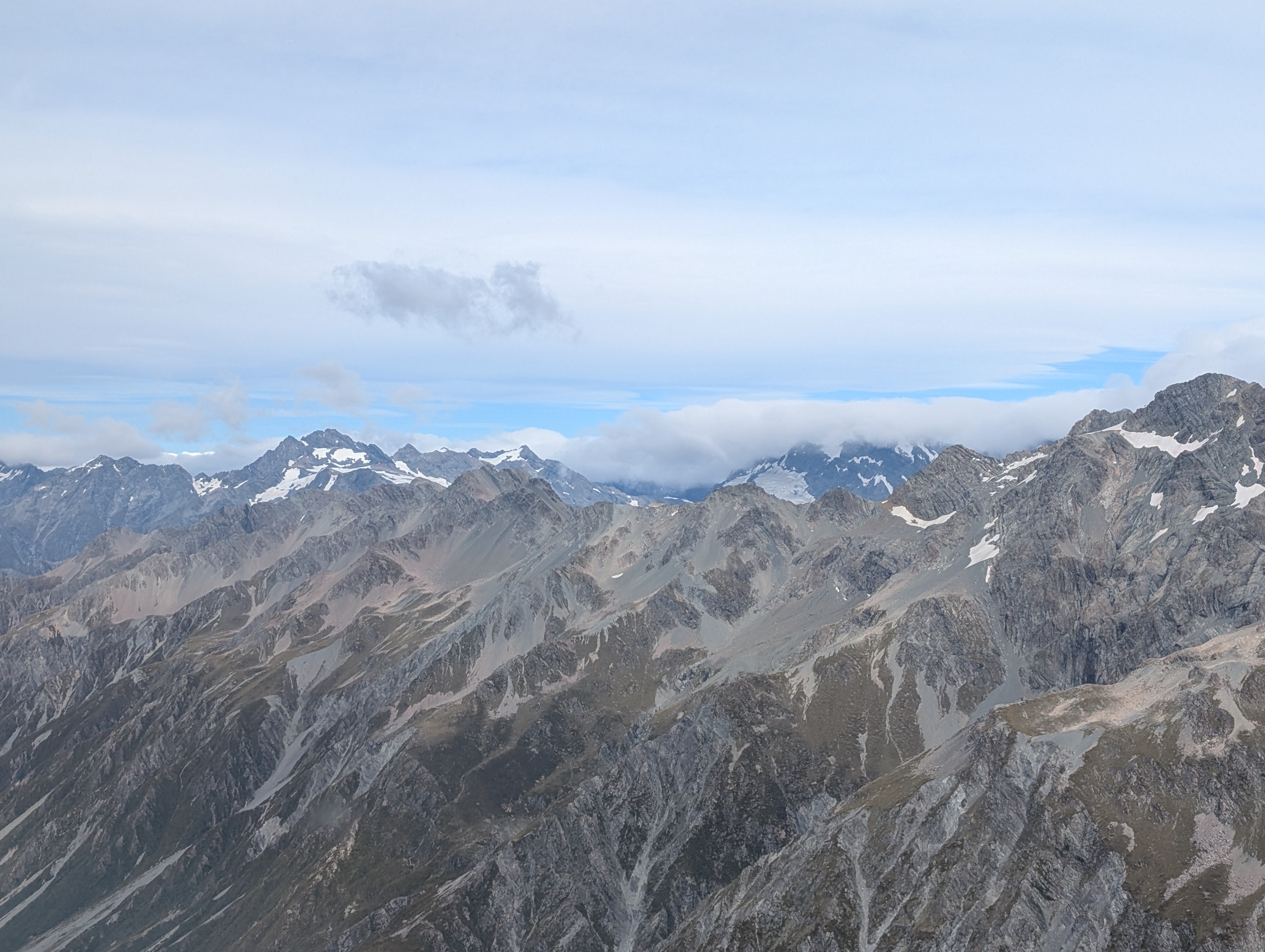
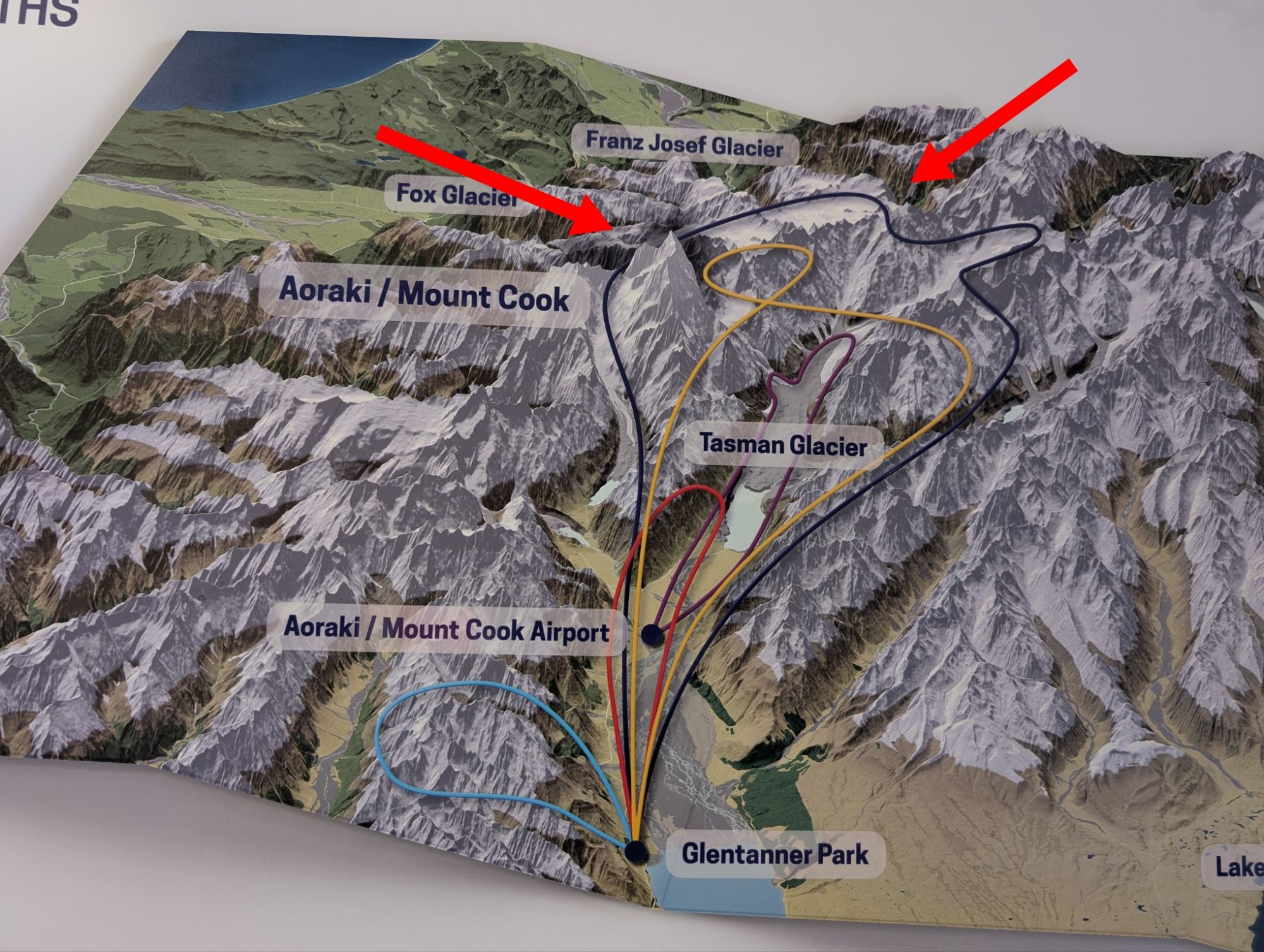
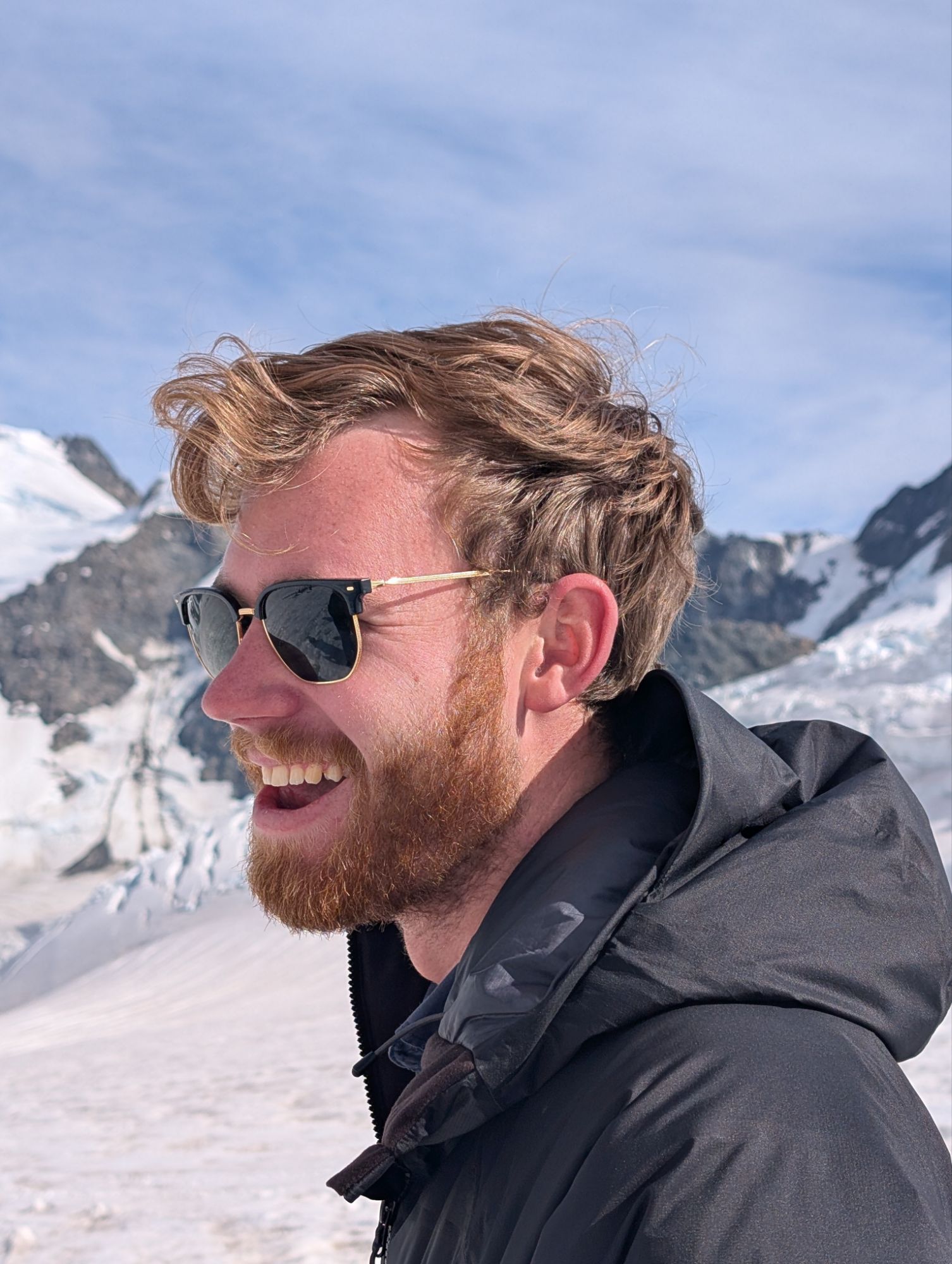
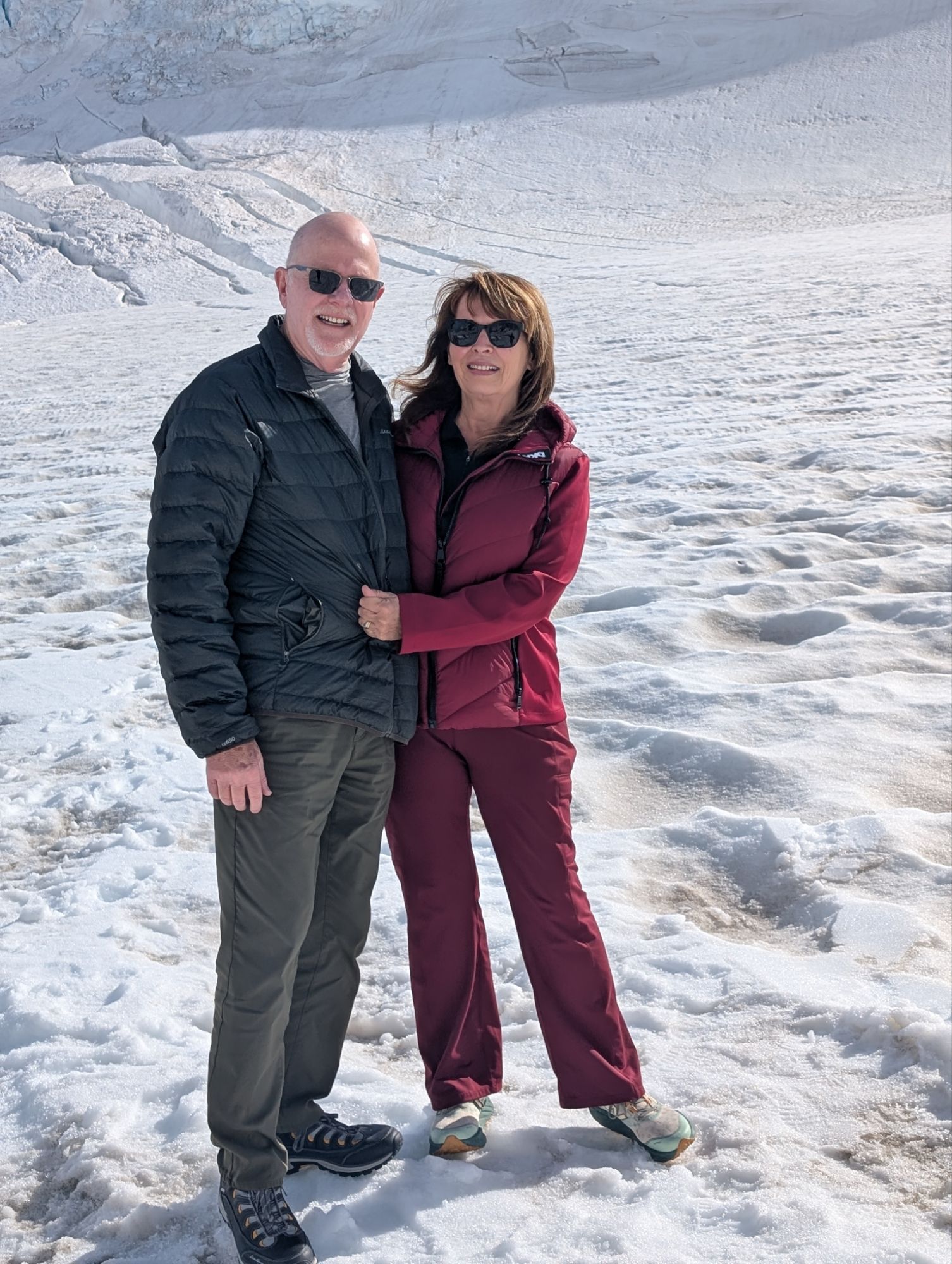
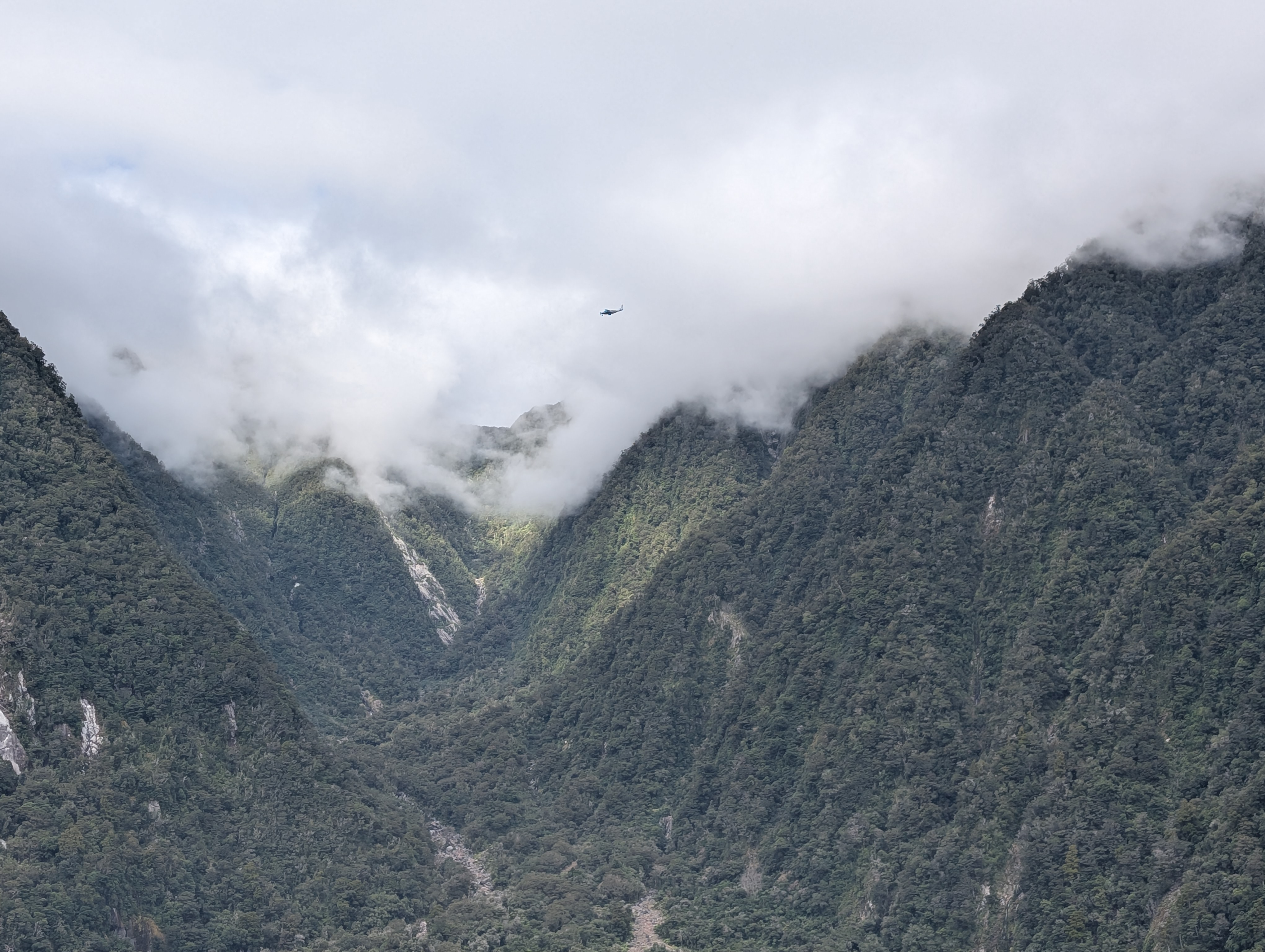
Today we drove to Mt Cook, flew in an 8-seat plane and landed on the Franz Joseph glacier. John sat in the cockpit beside the pilot. Once again, the guy who used to be afraid to cross a bridge or look over the Grand Canyon cannot get enough of heights. Meanwhile, Kate is in the second row, one-cheeked again the door. The first serious bump had her clutching the stranger on her left. He was a generous fellow as his wife was screwing holes in his knee on his right side. Did Kate take any photos? Well, she might have if she had had her eyes open. Rather, she was praying to all that is holy to get her the hell onto the ground. She did manage to take a photo of our rather young American pilot. He assured her with some sort of analogy involving a fork and jello, that the turbulence was nothing to worry about. She had to have faith, because she was on a glacier. It is difficult to fathom how big these mountains actually are. The pilot pointed out the crevasses below. They are much deeper than they look. Some were between 150 to 3000 feet deep. So, if one were to fall in? That is that. The glacial water was an otherworldly color: not green, not blue. Magical. Really, all in all, an extraordinary day!

Dunedin
Before we go on and on about Dunedin, a quick history about New Zealand . . .
New Zealand is the most isolated country in the world and has many primitive plants and animals..
Parts of New Zealand still carry vegetation as one may have seen 30 or 40 million years ago.
81% of the species found in New Zealand are found nowhere else in the world; they are endemic to NZ.
Many million years ago, NZ was part of a great southern continent known as Gondwana. Joined with New Zealand on that continent were modern day Antarctica, Australia, South America, Africa, Madagascar, and India.
New Zealand split away from Gondwana 85 million years ago, minimizing the opportunity for foreign plants and animals to establish. This break away occurred before the evolution of even primitive mammals such as kangaroos. New Zealand’s wild-life was left to evolve on this new land with the animals that were present at the time of the split. Consequently, the native animals still present today are dominated by birds; with a few reptiles and only bats as the resident land mammals.
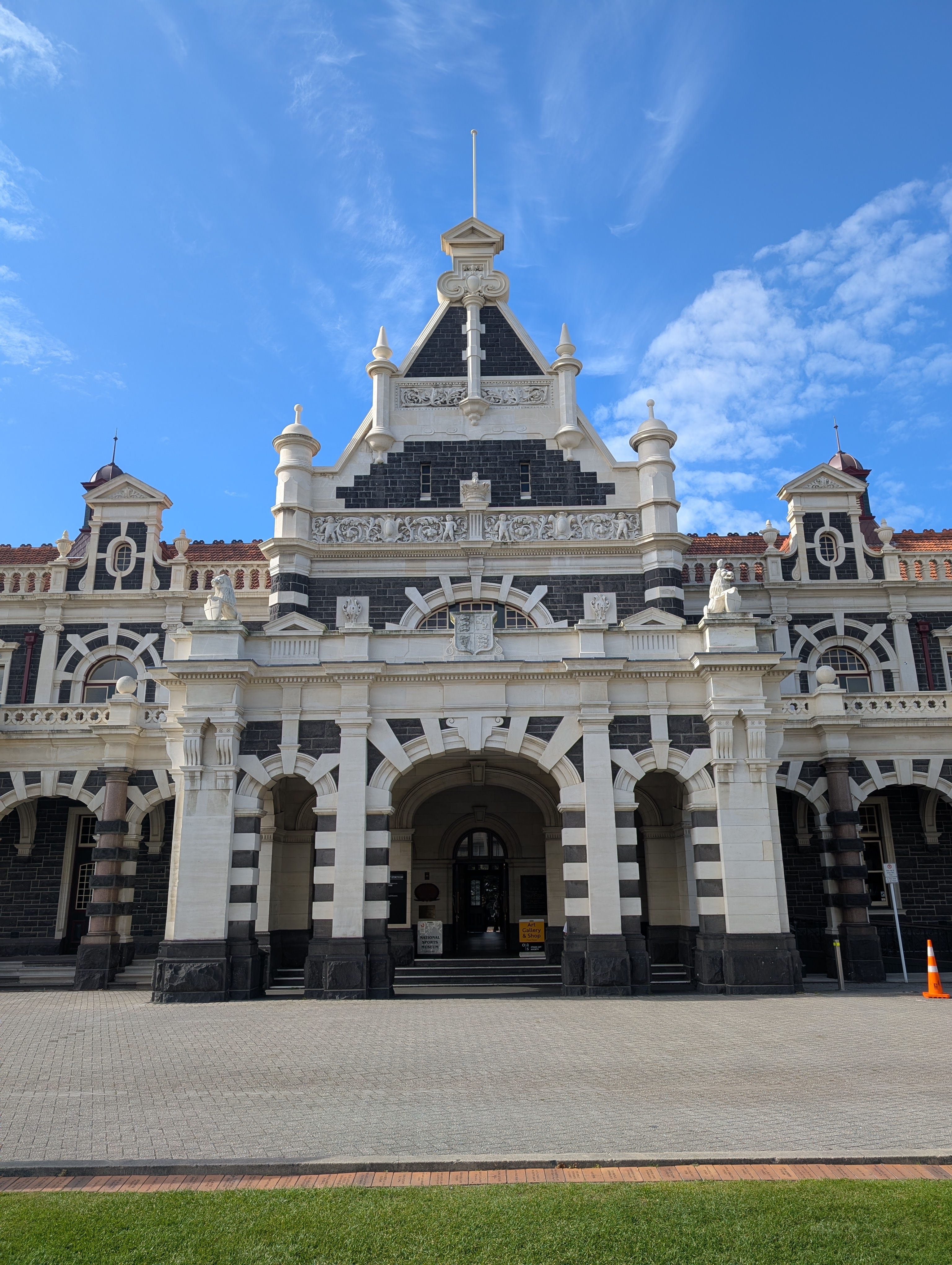
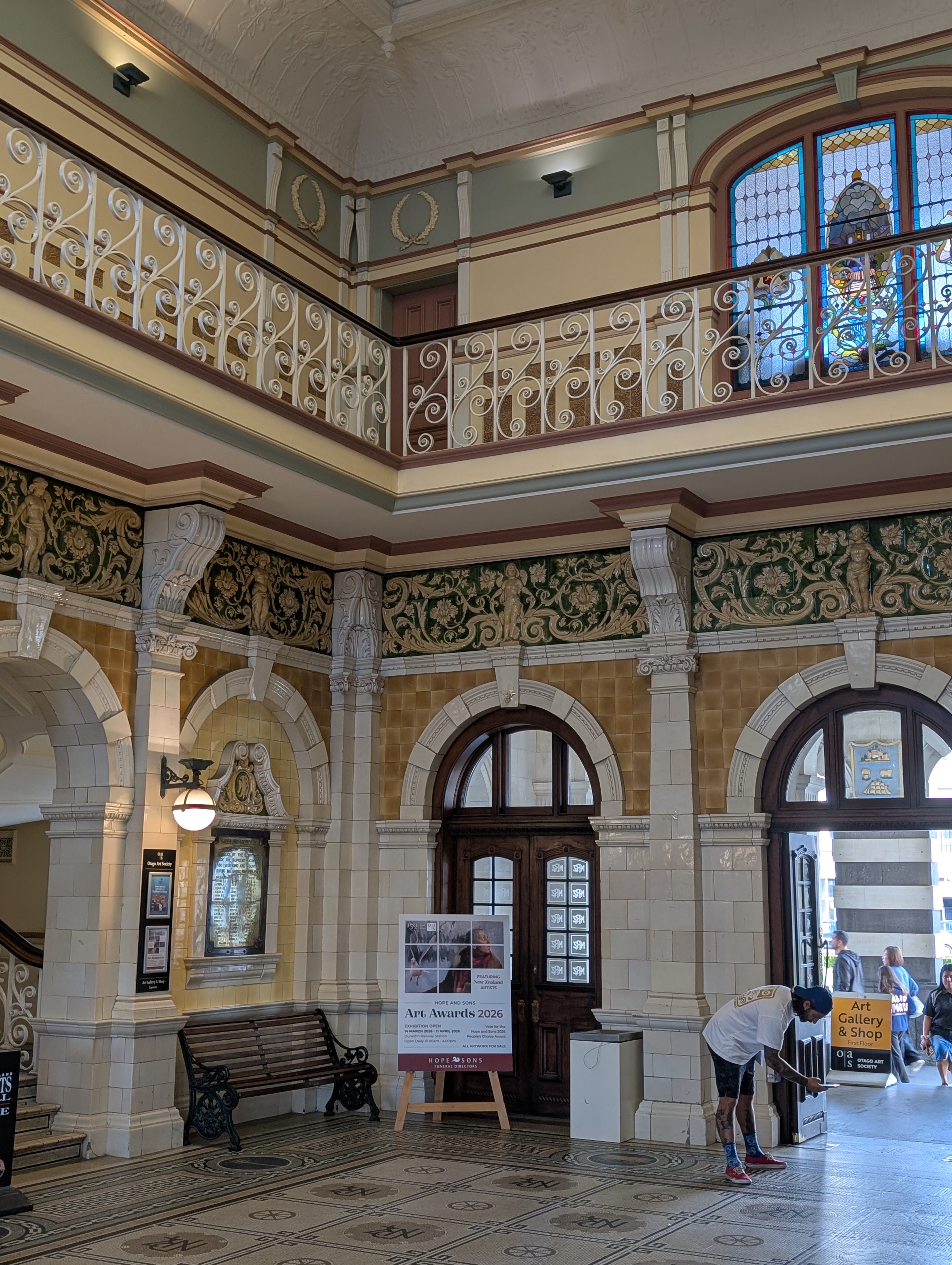
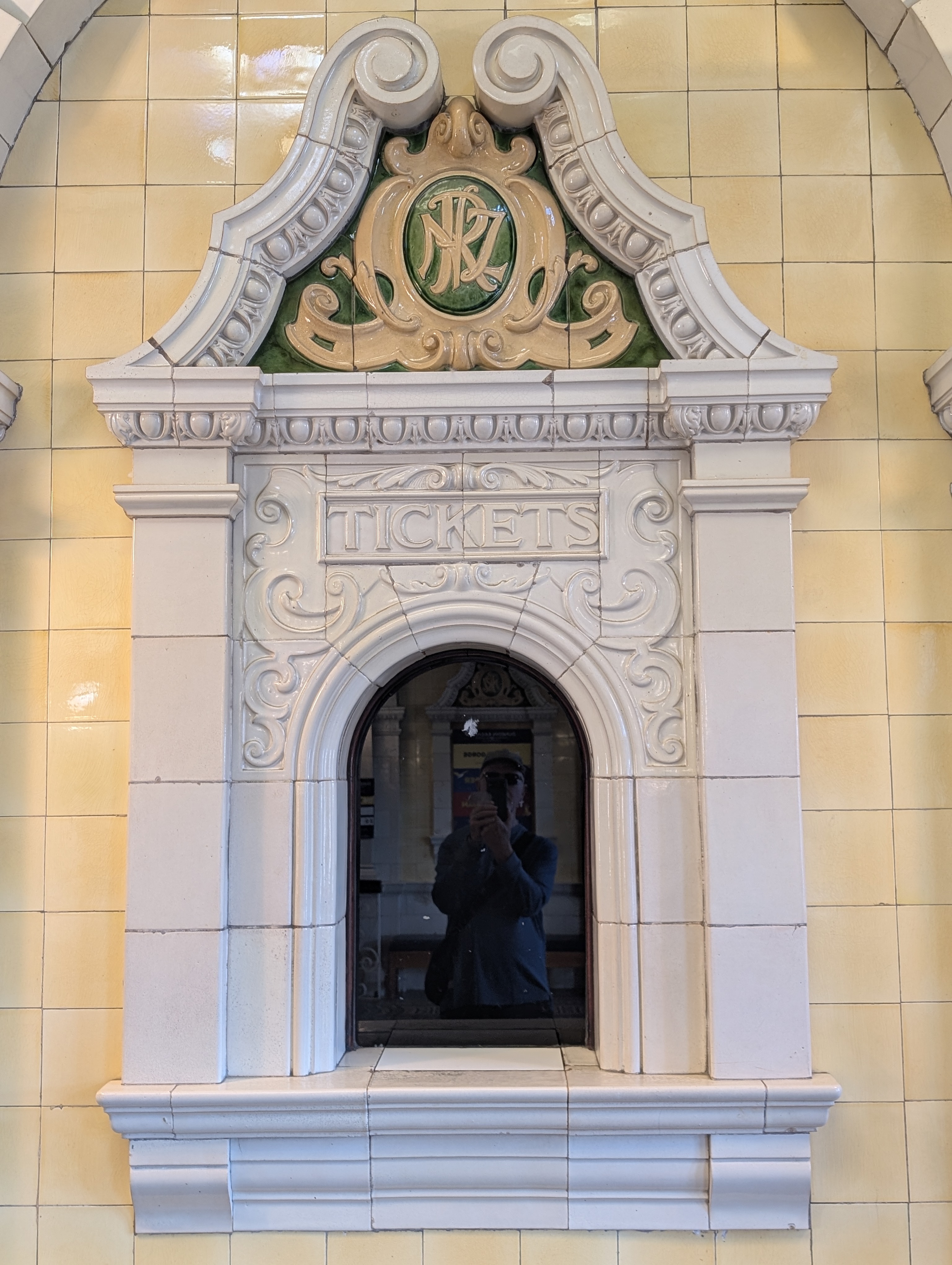
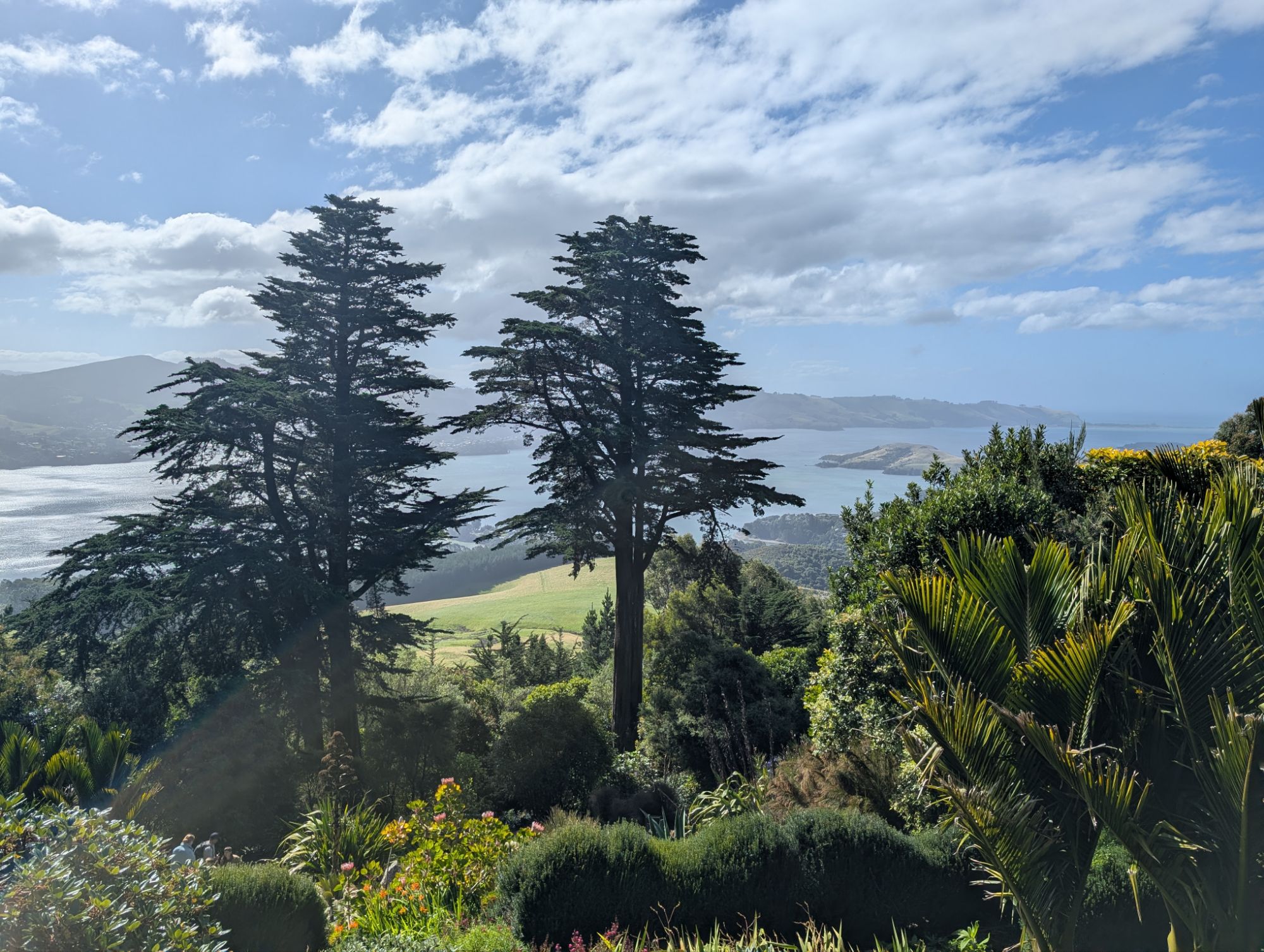
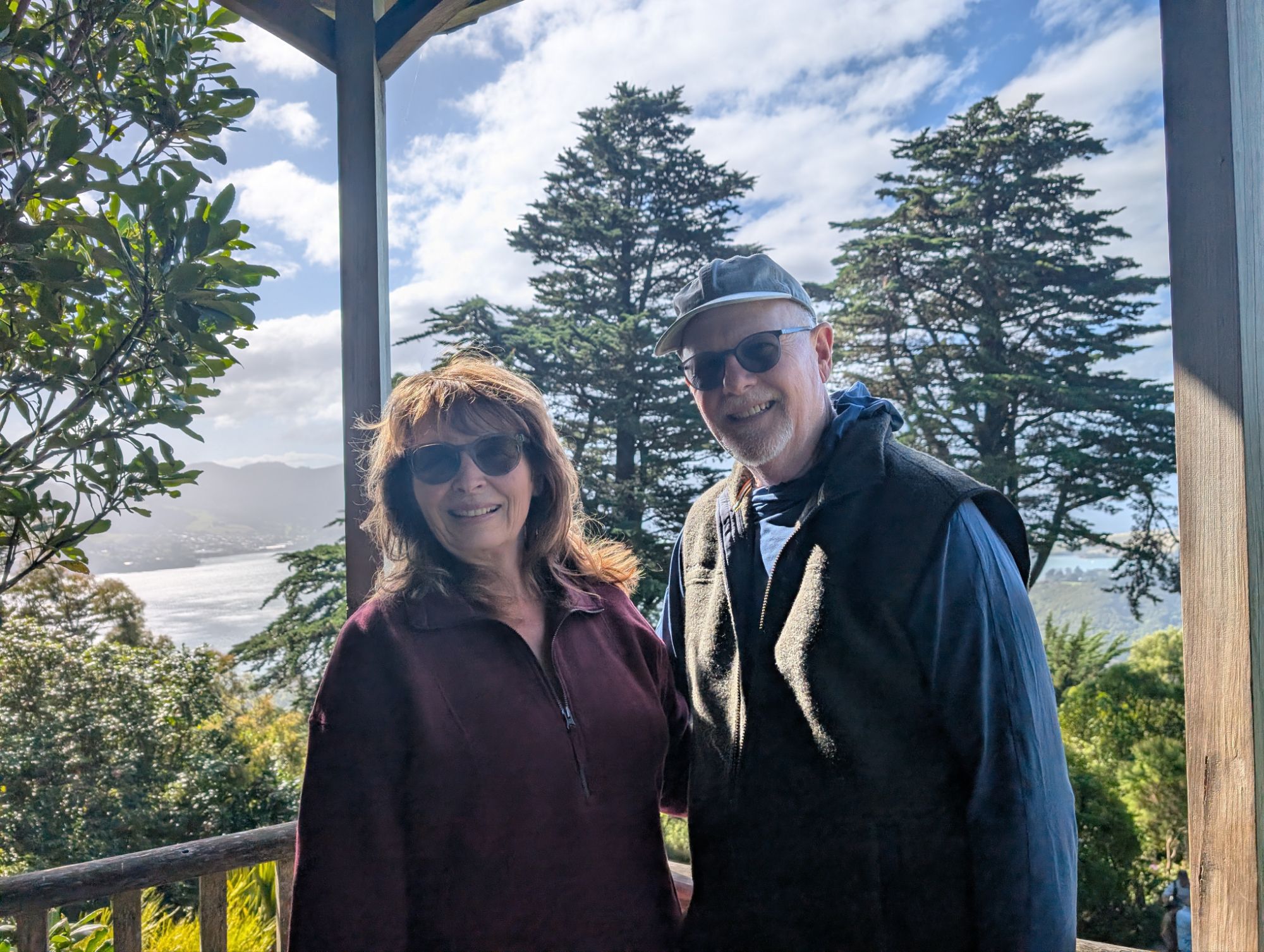
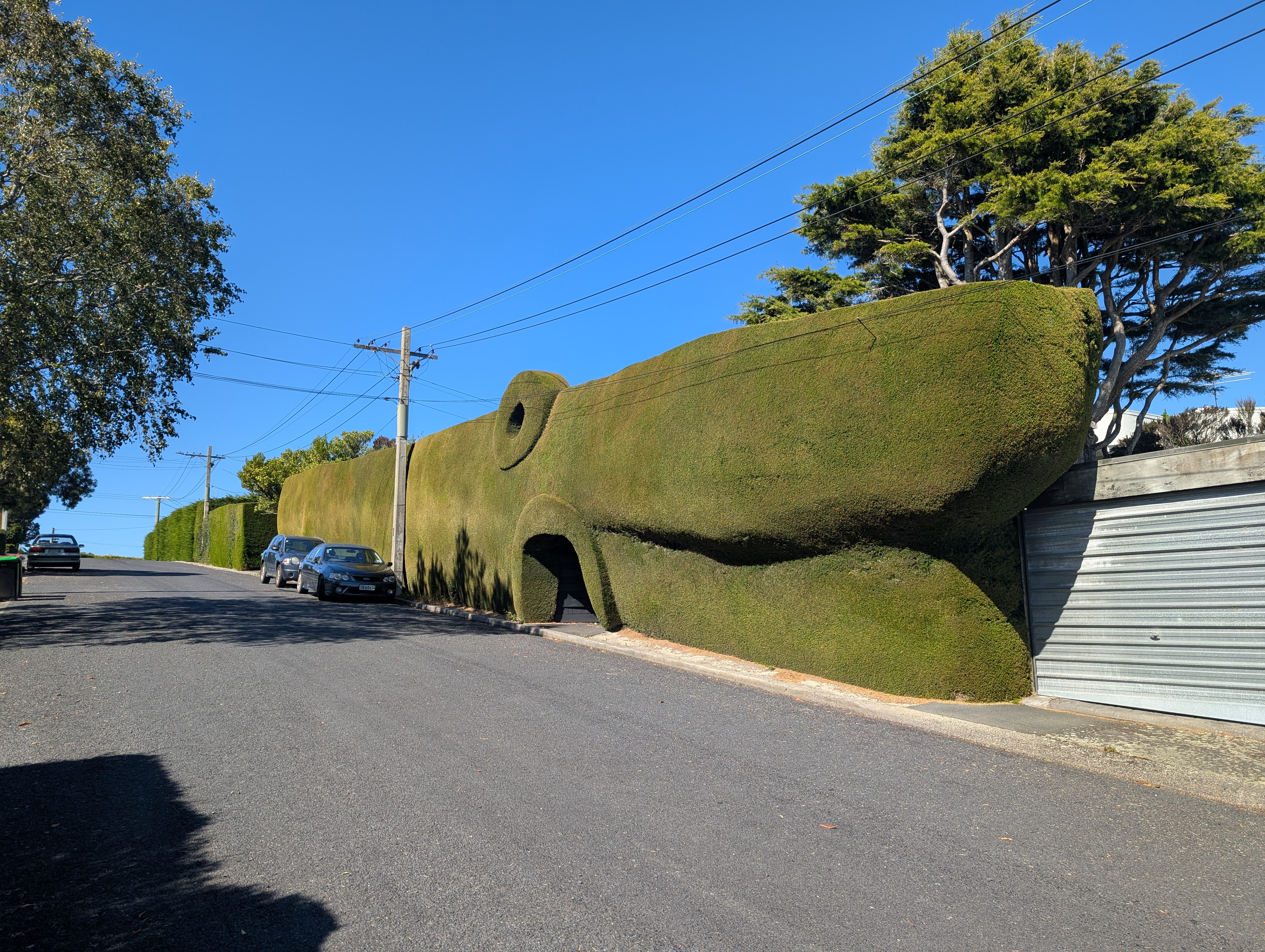
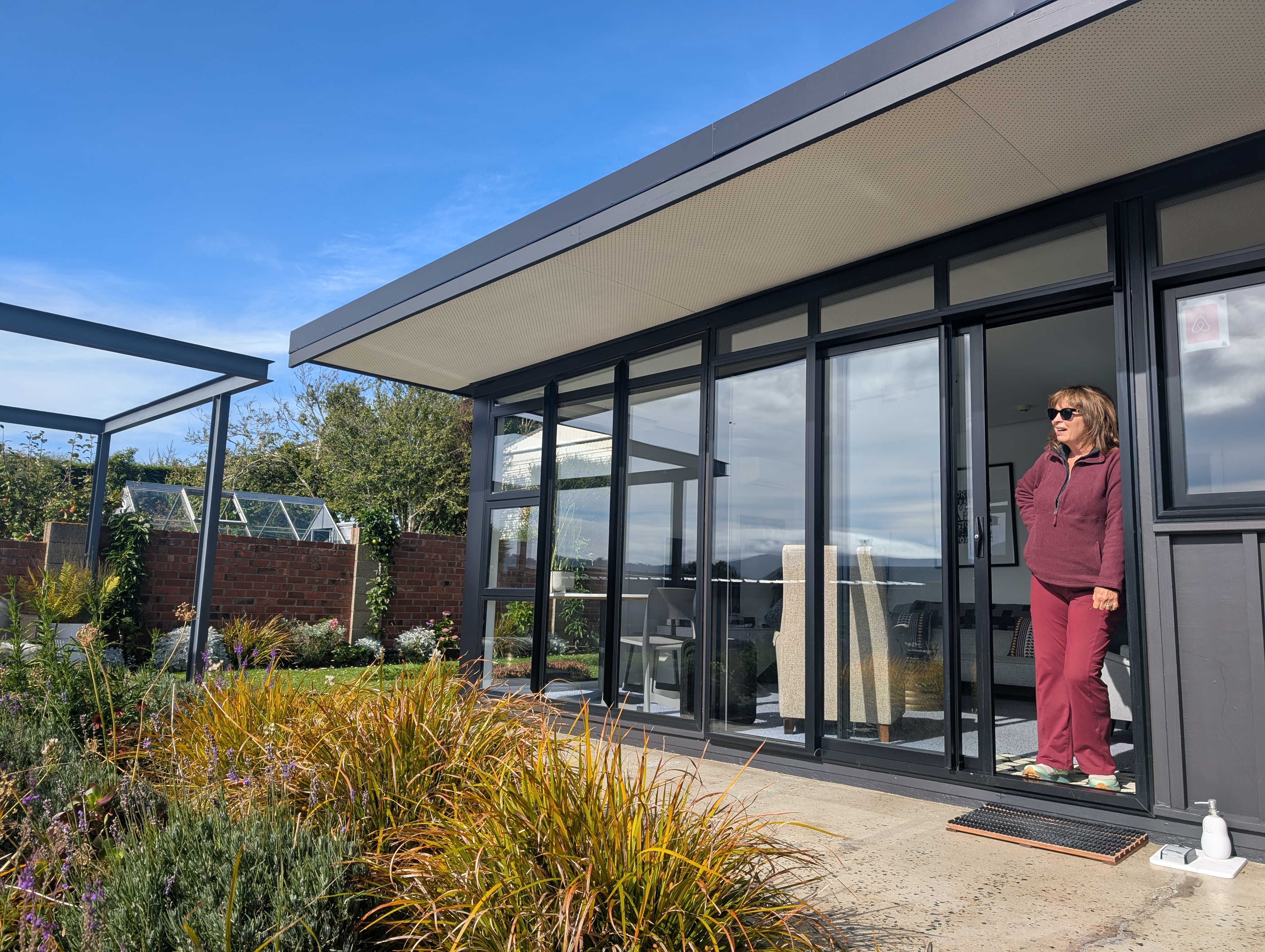
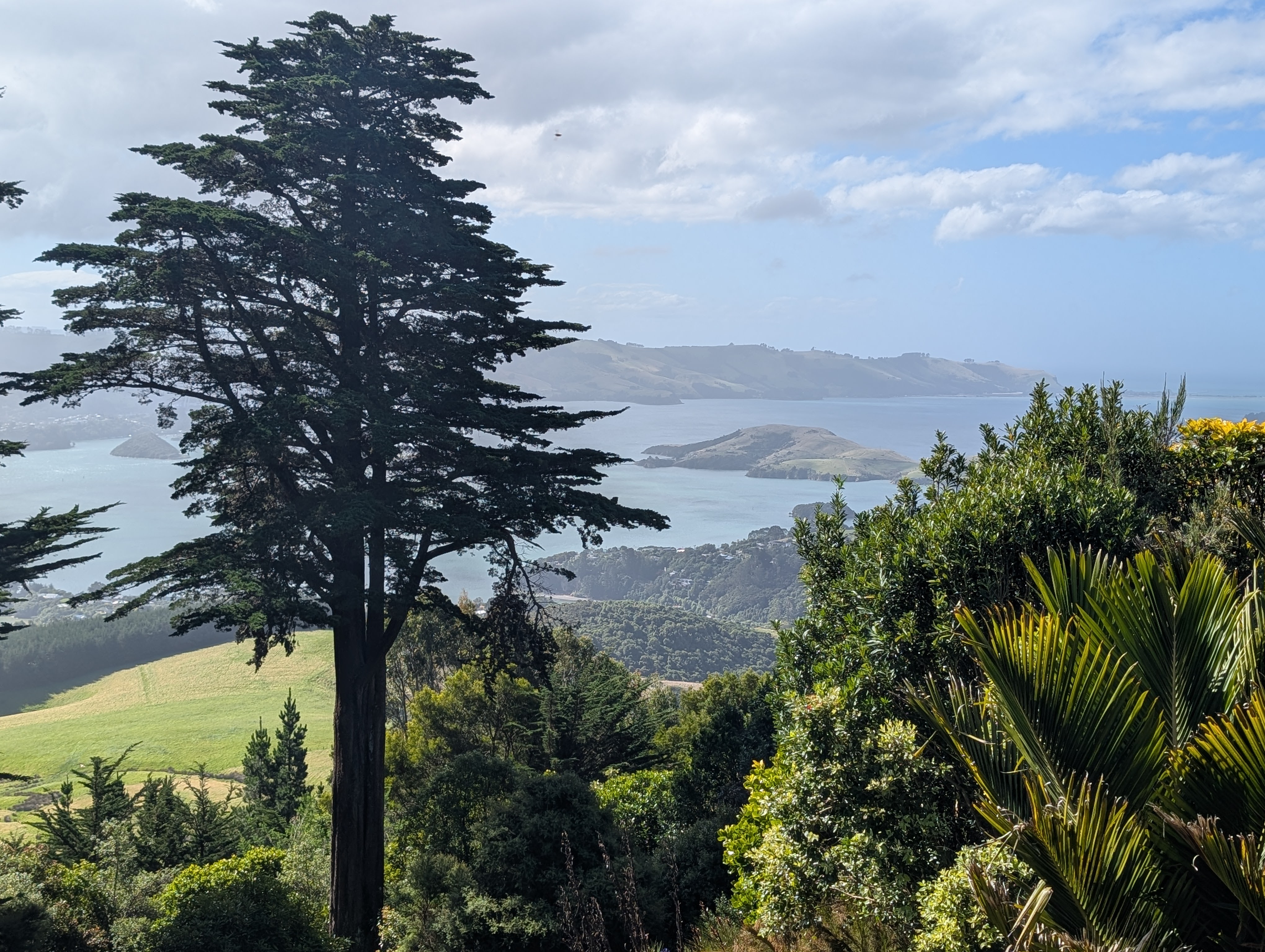
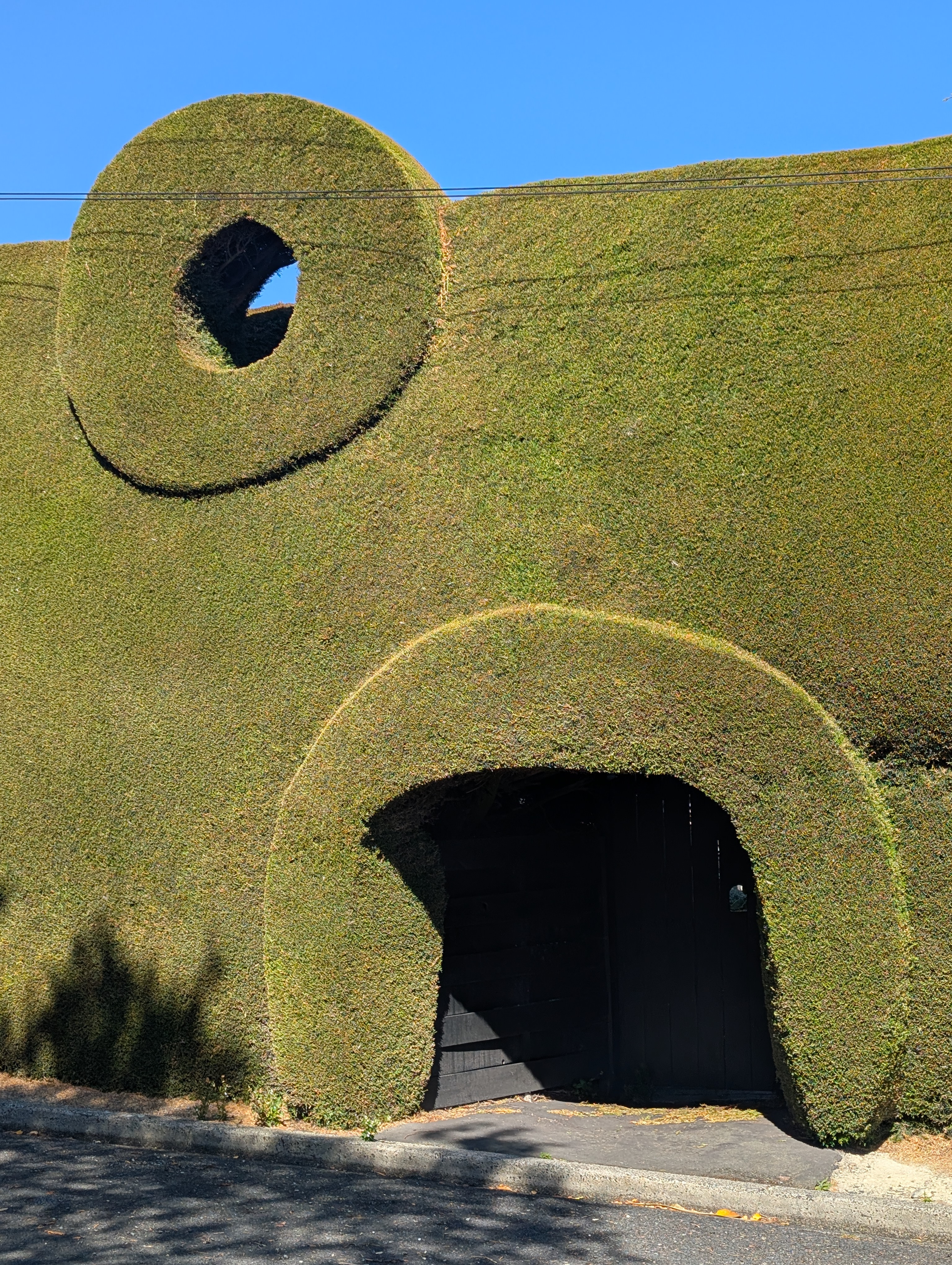
With that ancient history, we come to Dunedin. Dunedin is a lovely small city that sits on a harbor and looks across at the Otago Peninsula. At times we imagined we were at home in a more verdant San Diego looking across at Pt Loma. Other times, from our Airbnb on the Otago Peninsula, we were reminded of Sausalito. Dunedin is the home to the University of Otago, the largest university in New Zealand. Because Dunedin was established by Scottish immigrants (Dunedin means Edinburg in Gaelic, I think), the town is full of charming architecture and loads of college students.
Otago Peninsula
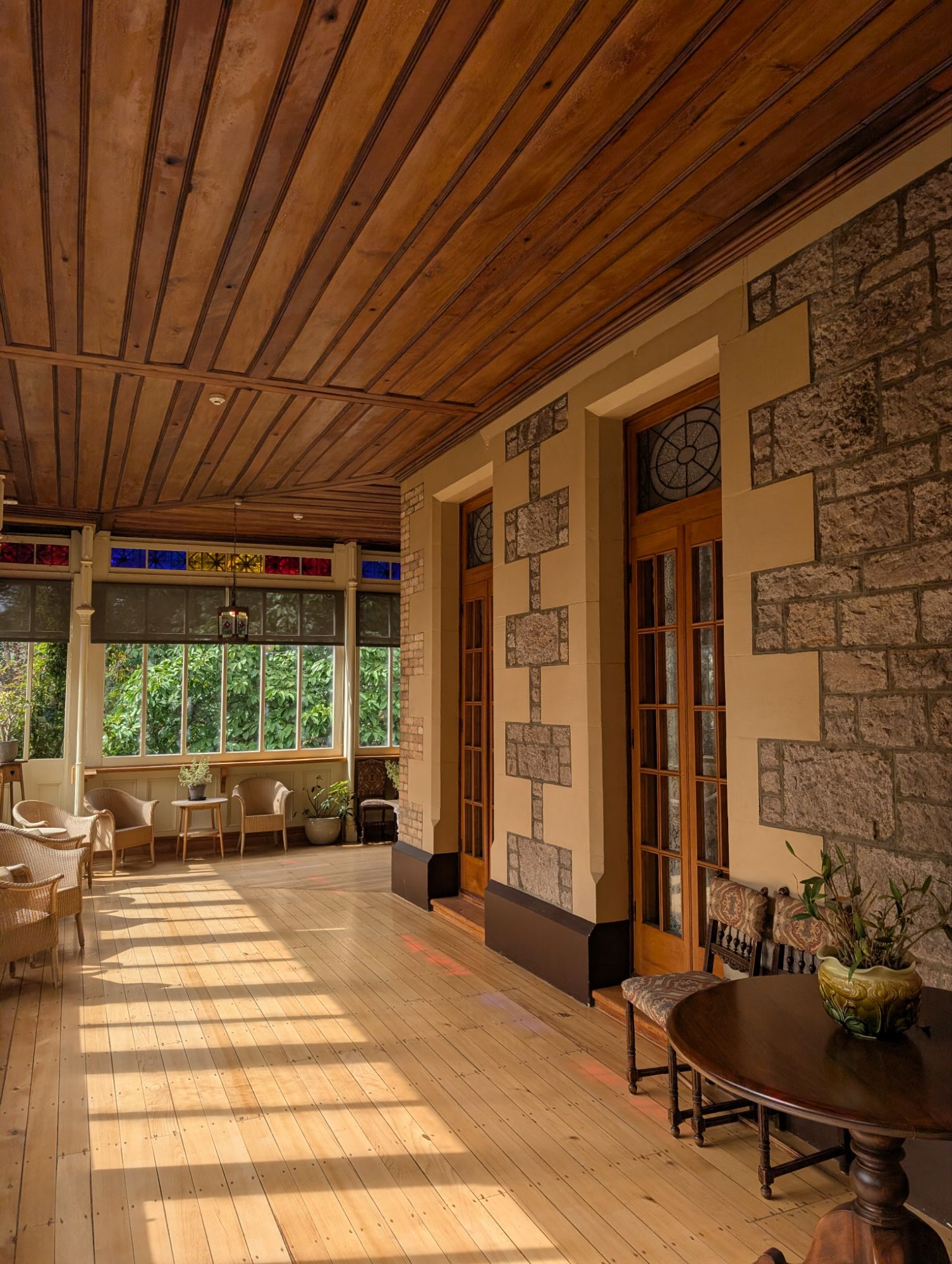
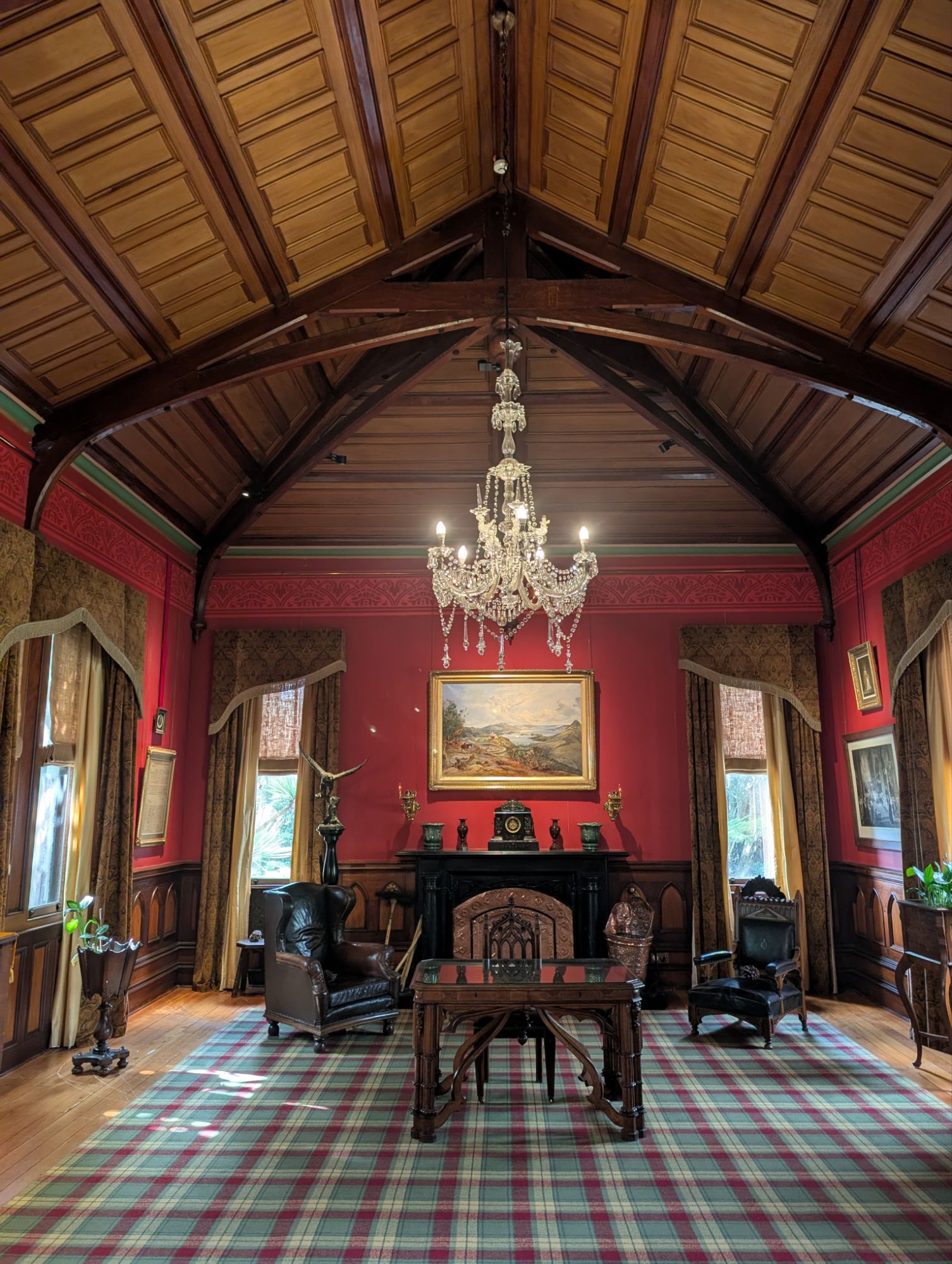
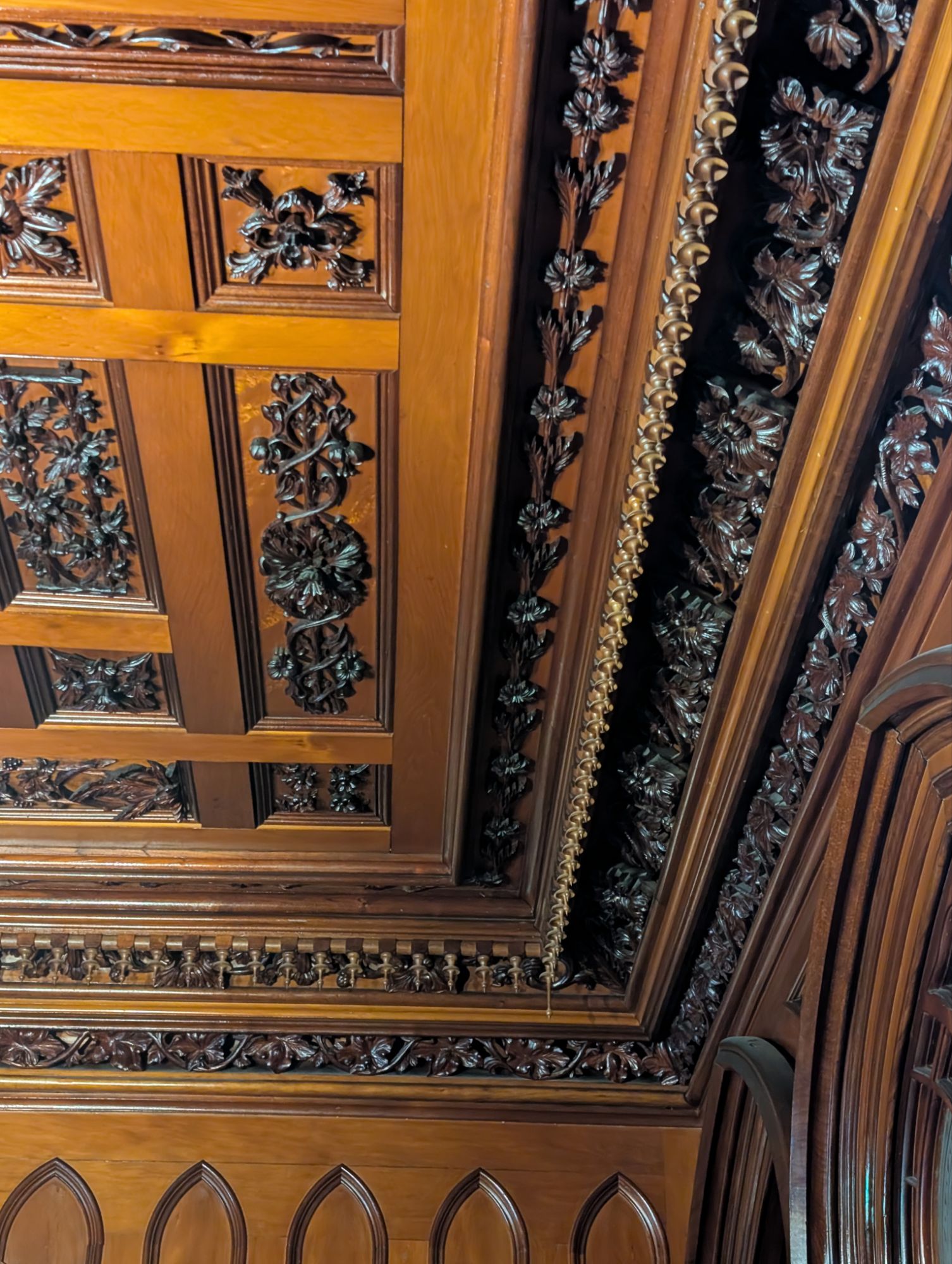
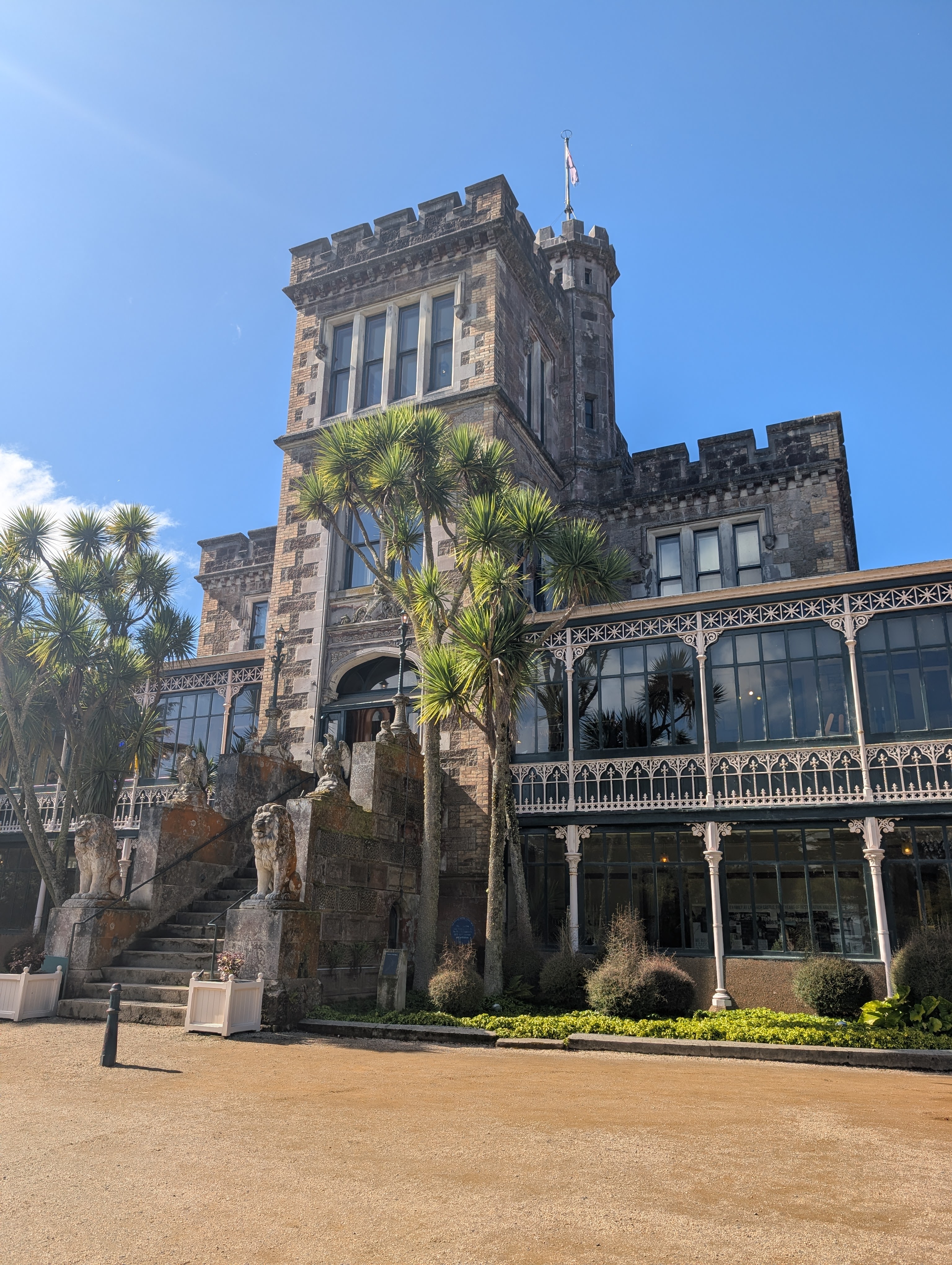
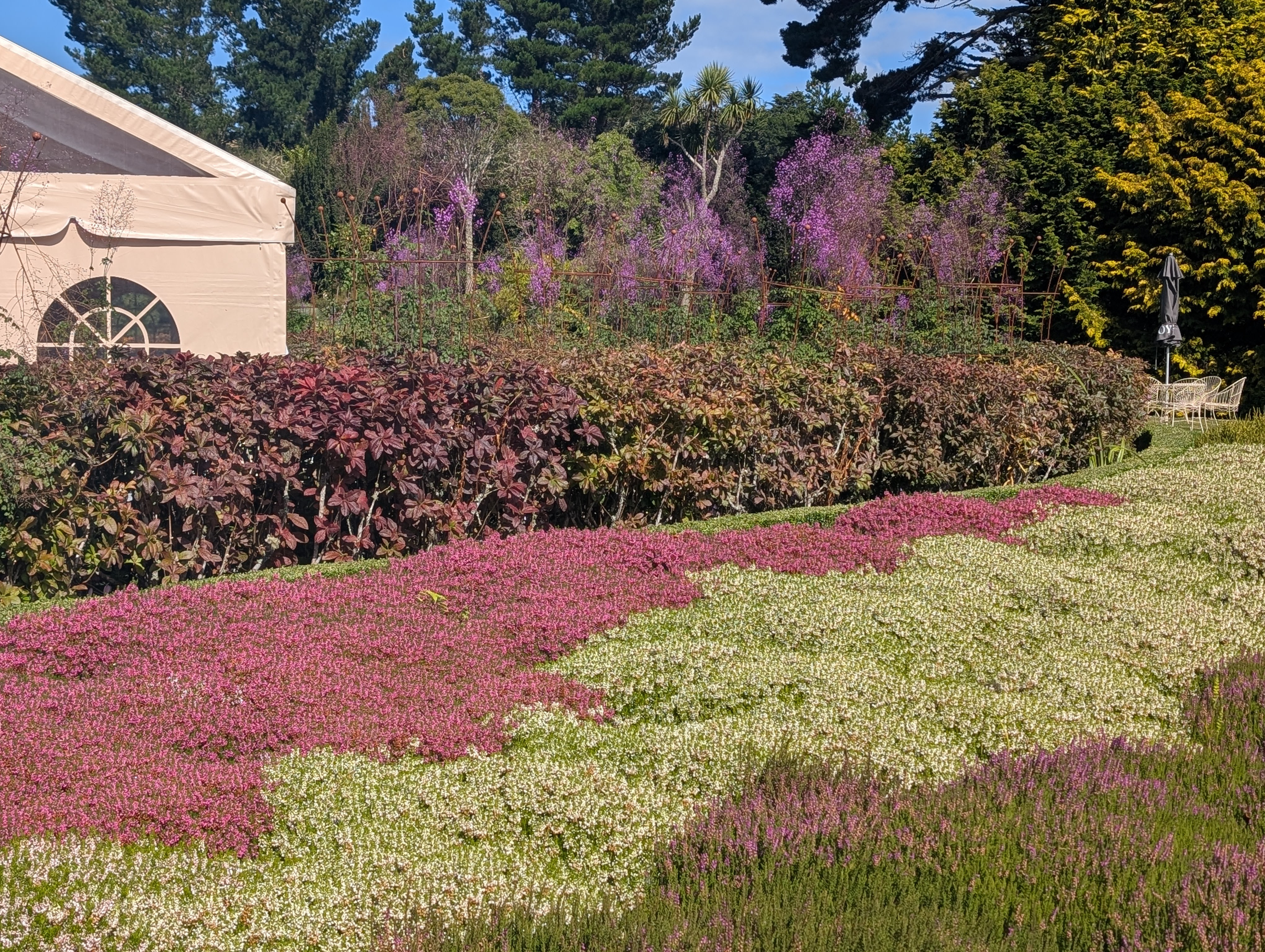
At the top of Otago Peninsula is the Larnach Castle, the New Zealand expression of the Gilded Age. Built in the 1880’s by a Scottish fellow who had his hands in just about everything—banking, farming and shipping. Oh, and he had three wives and six kids, none of whom loved living in the castle at the end of the world. After a family drama involving an affair between the younger third wife and the eldest son, the family really went sour on the castle and the place went to rack and ruin. Enter a family in the 1960’s who fell in love the place and spent decades restoring this old jewel.
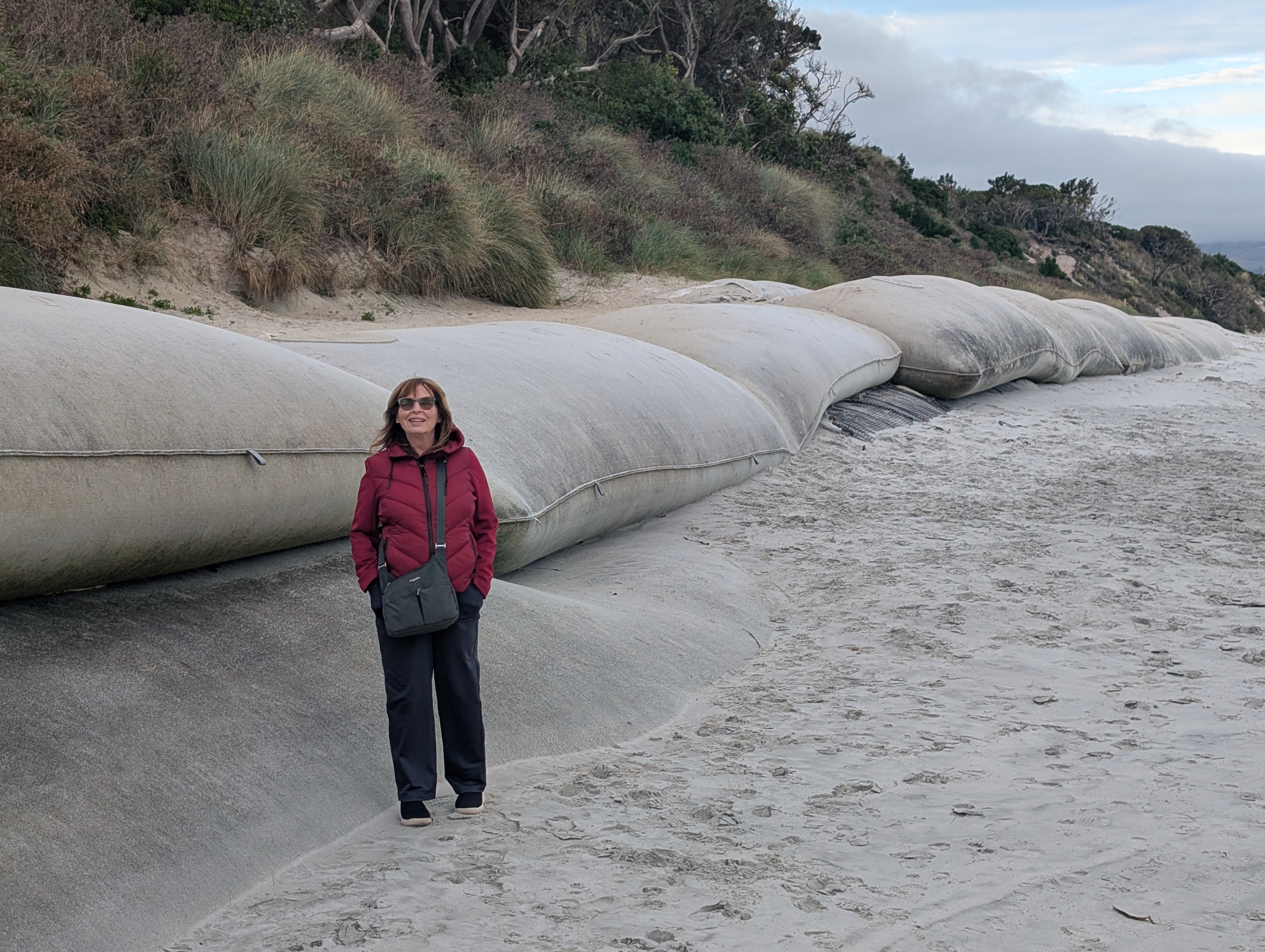
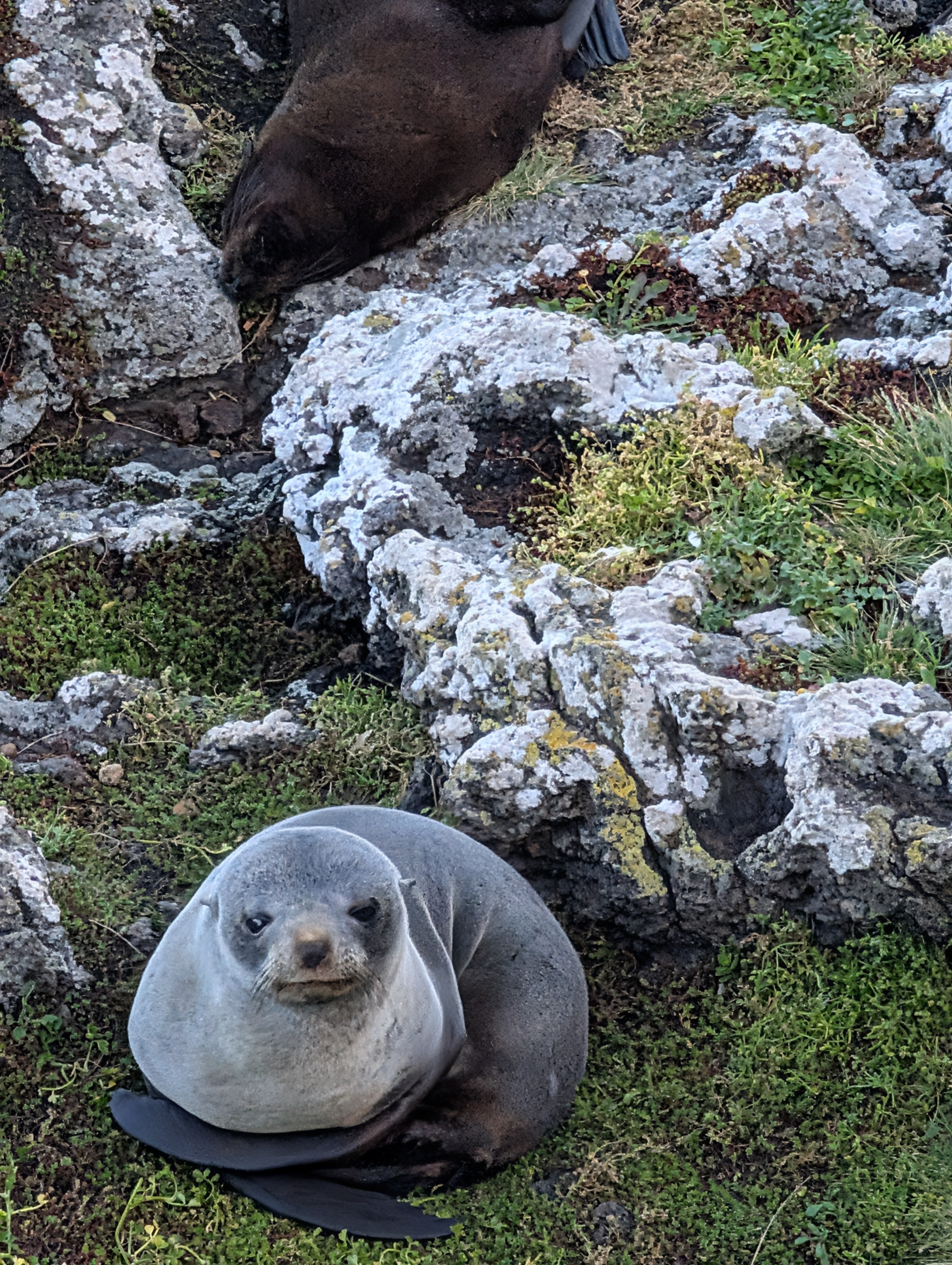
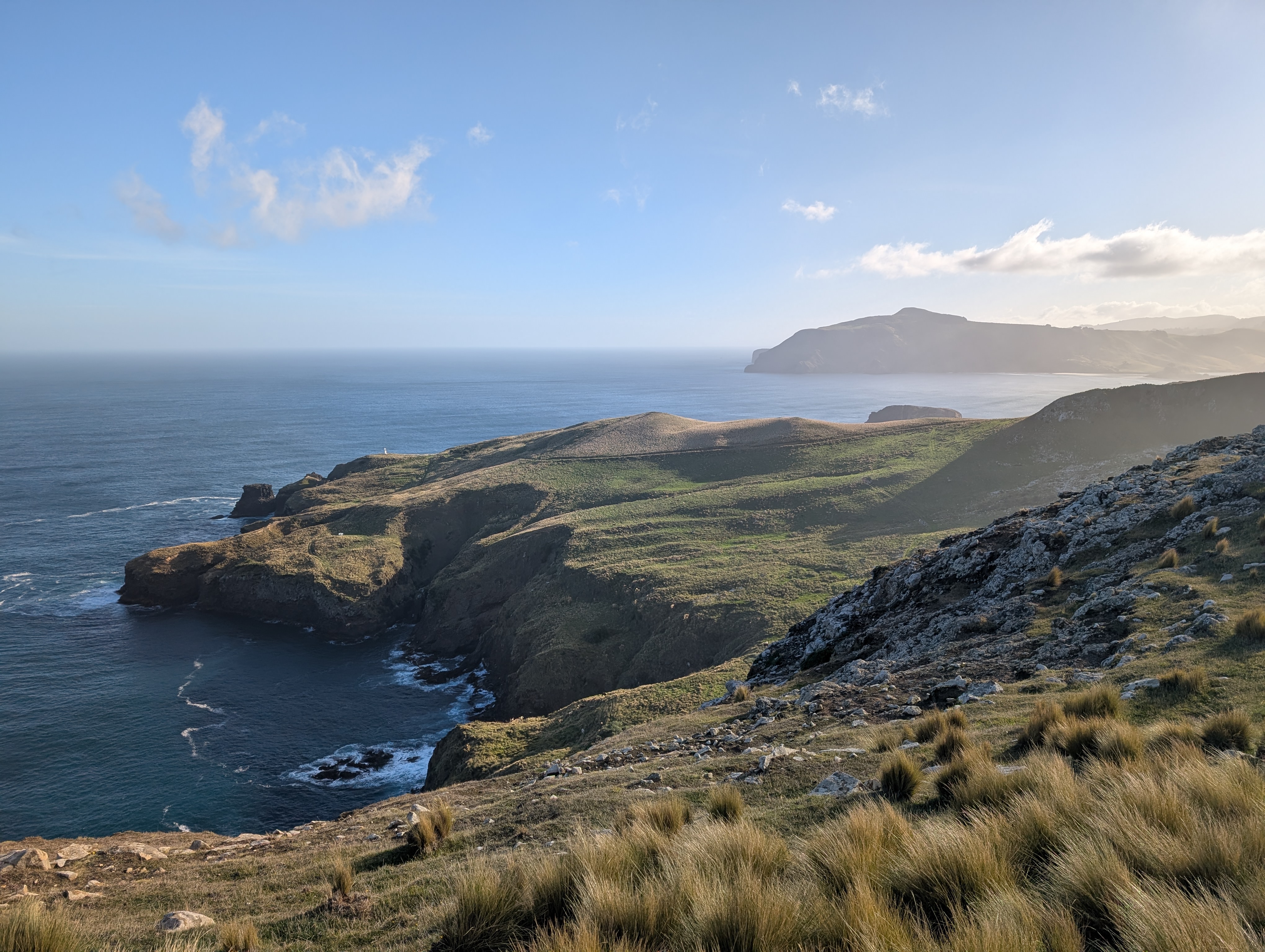
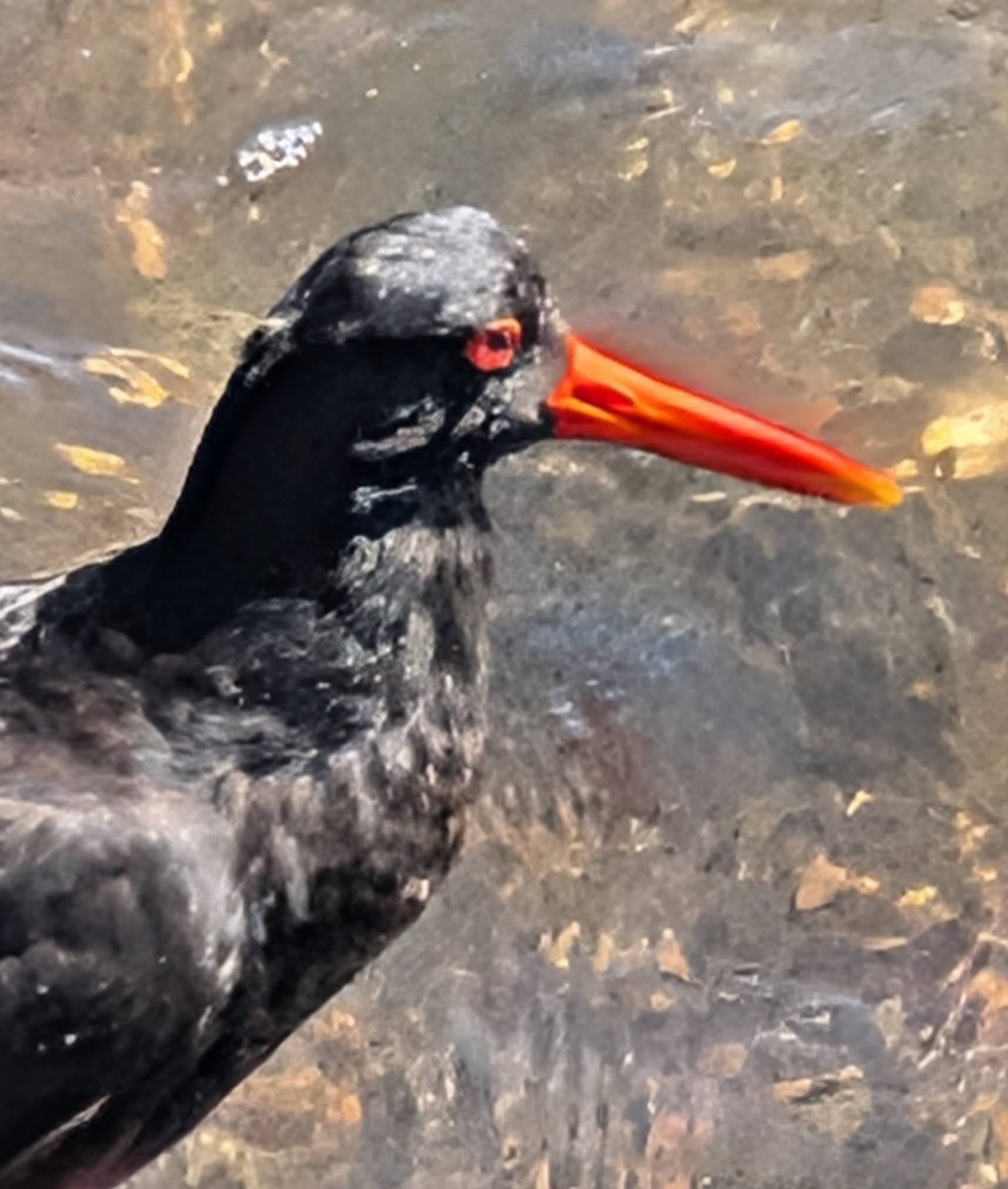
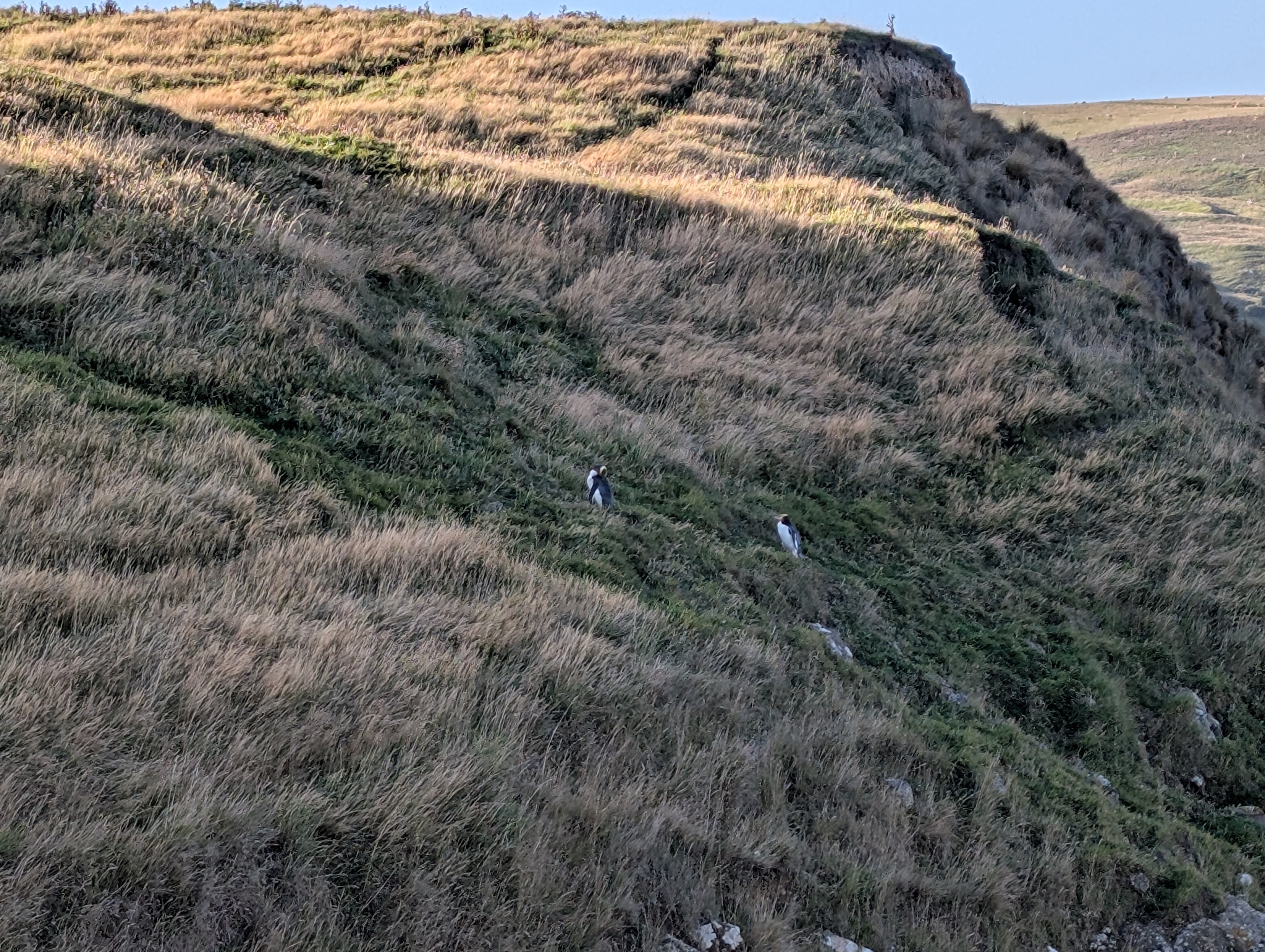
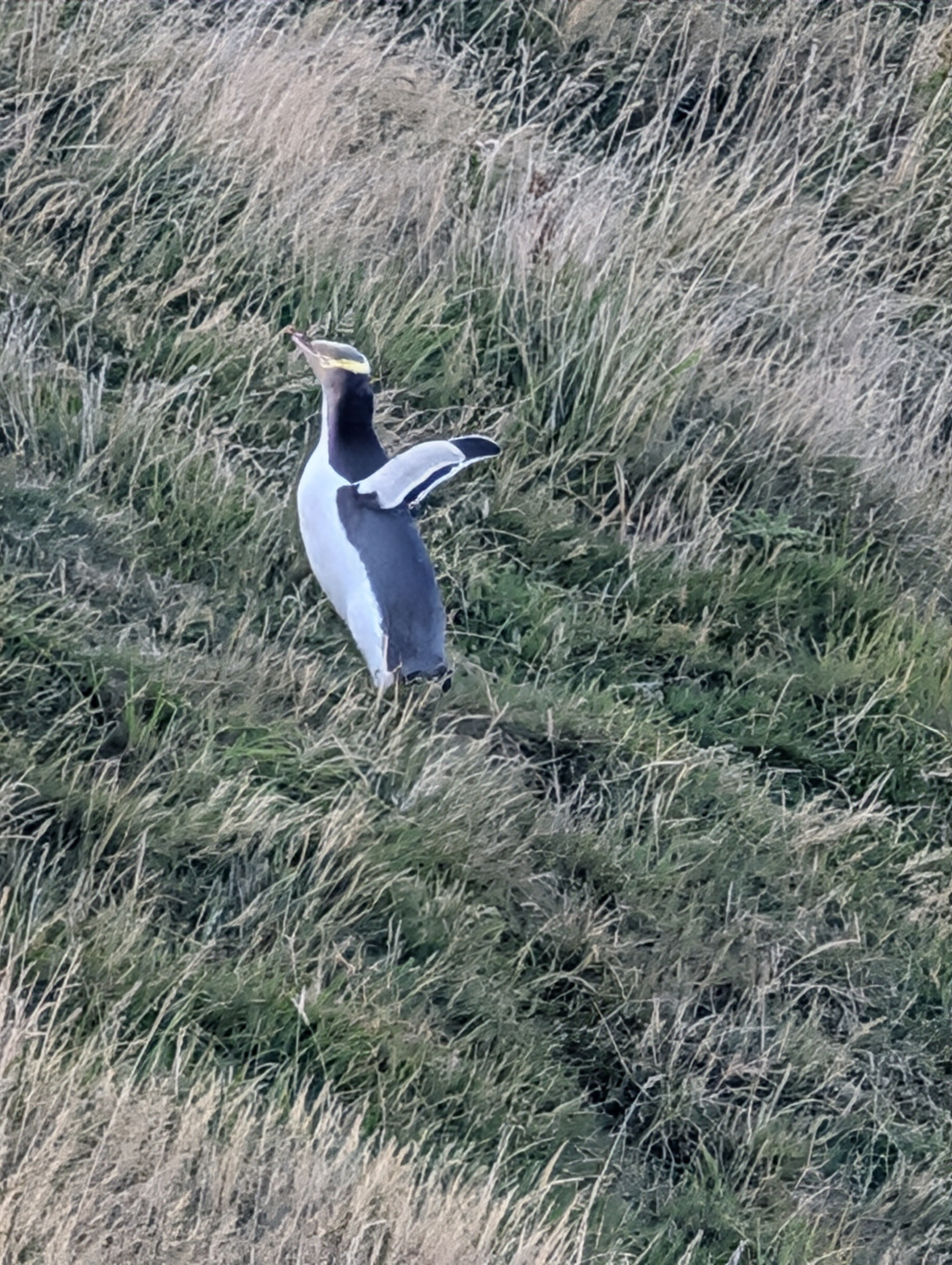
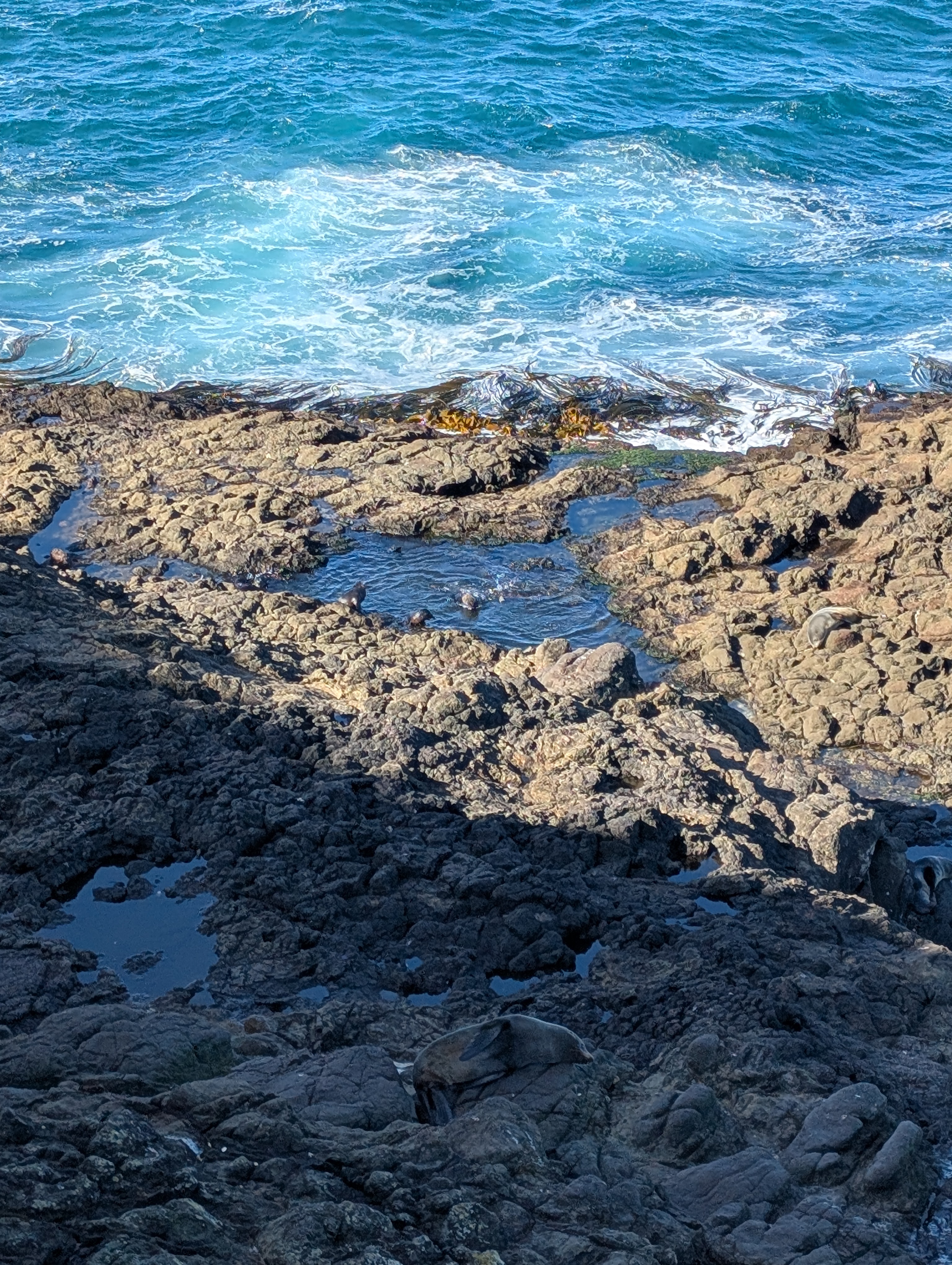
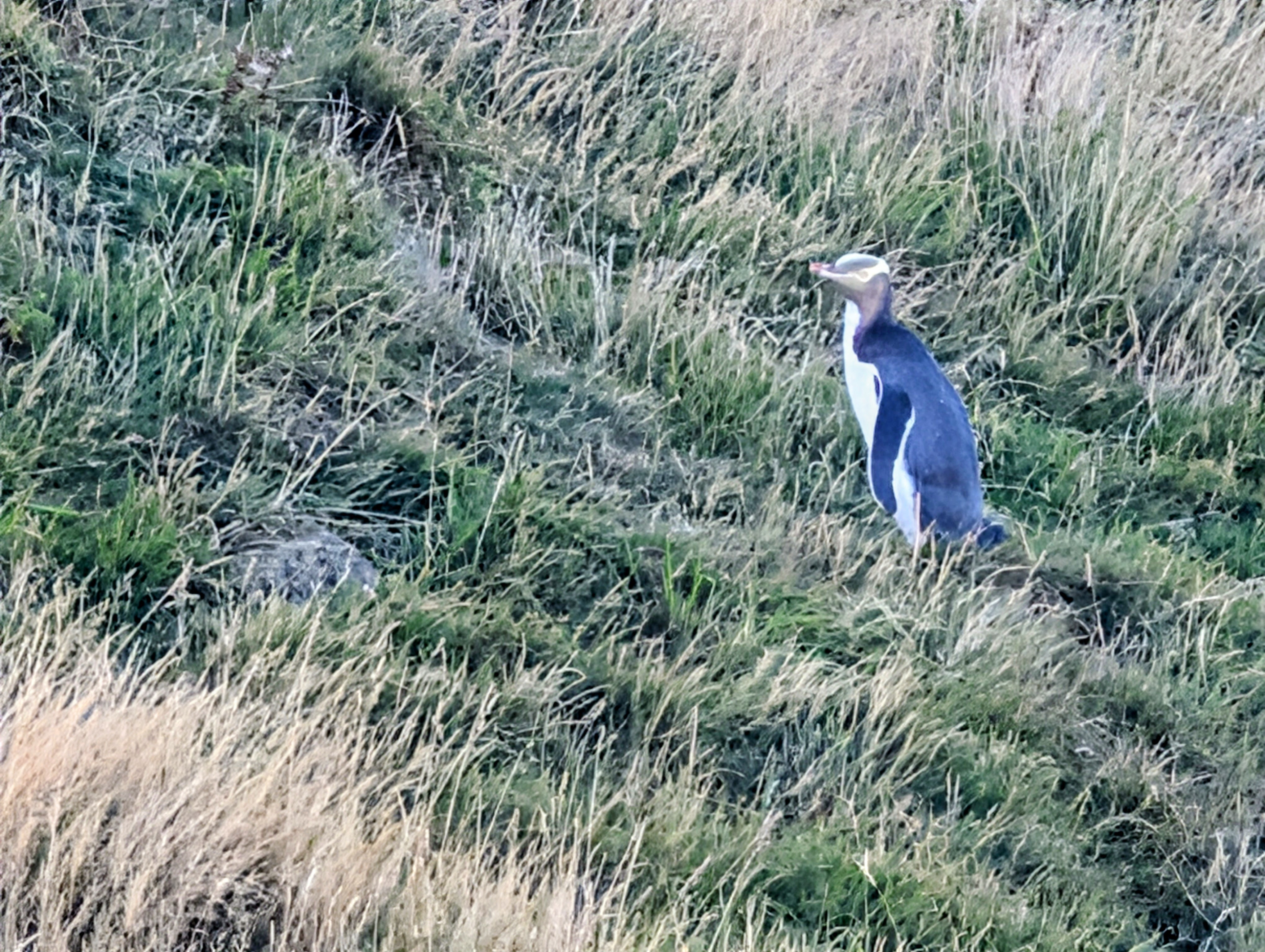
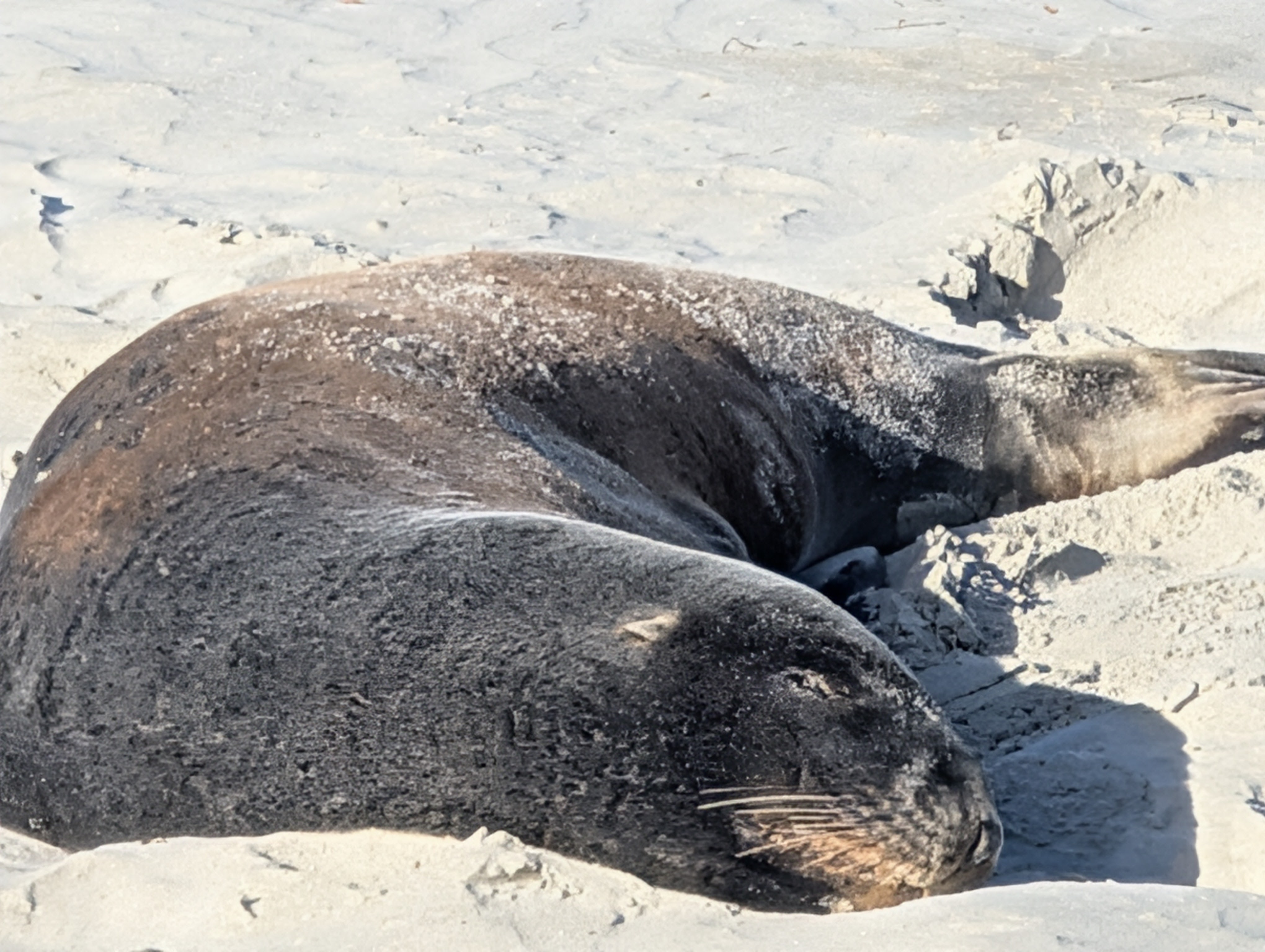
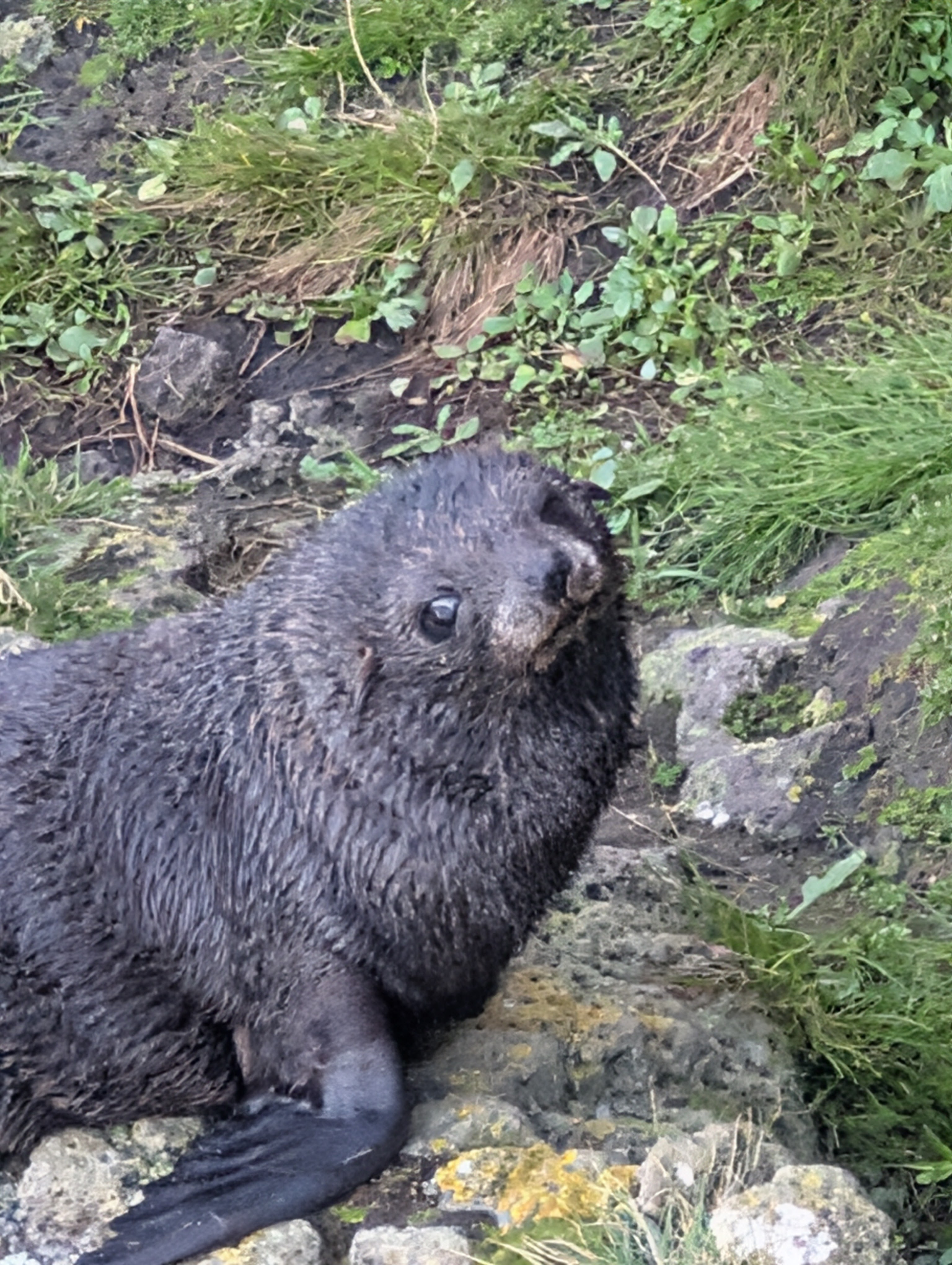
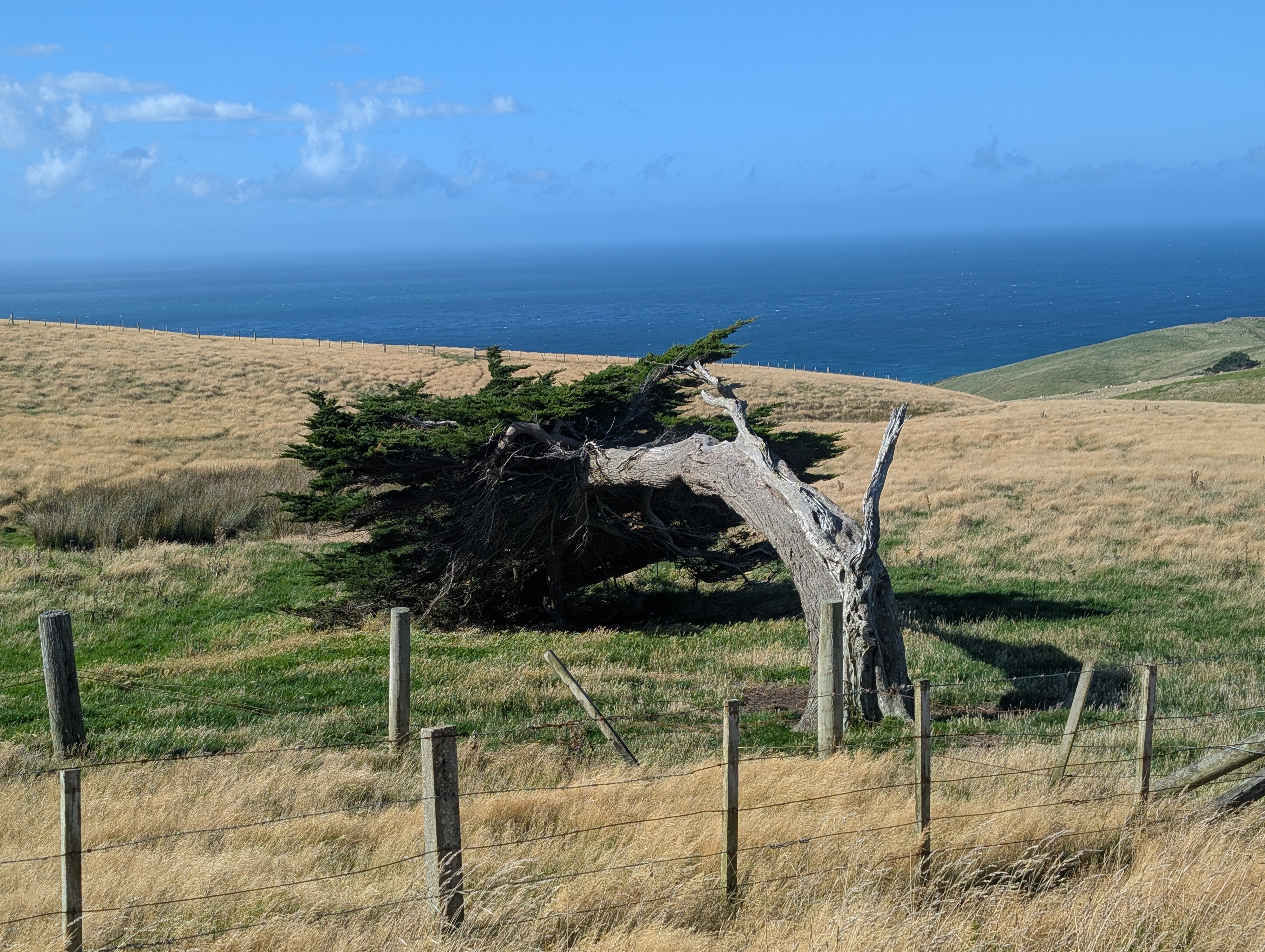
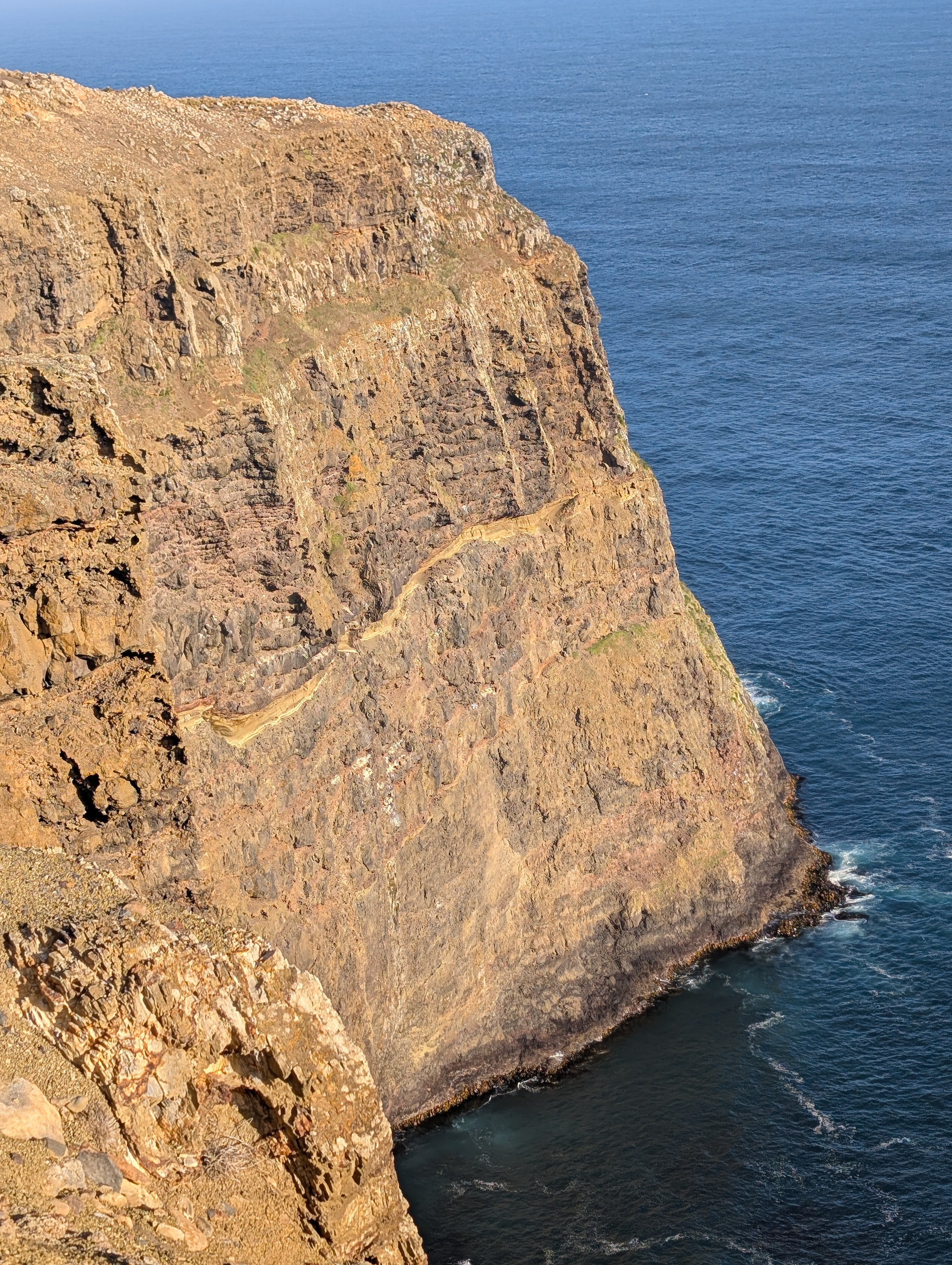
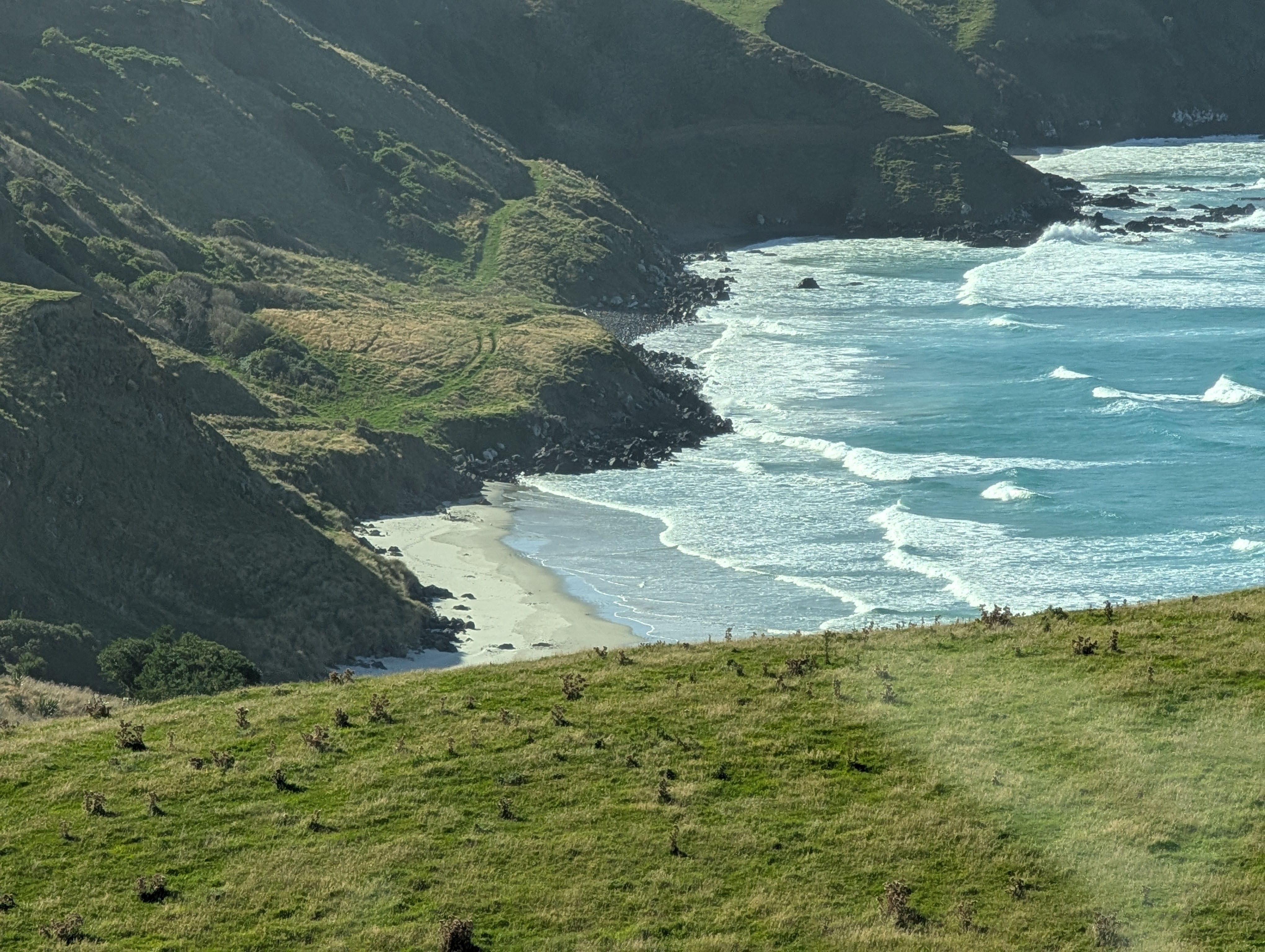
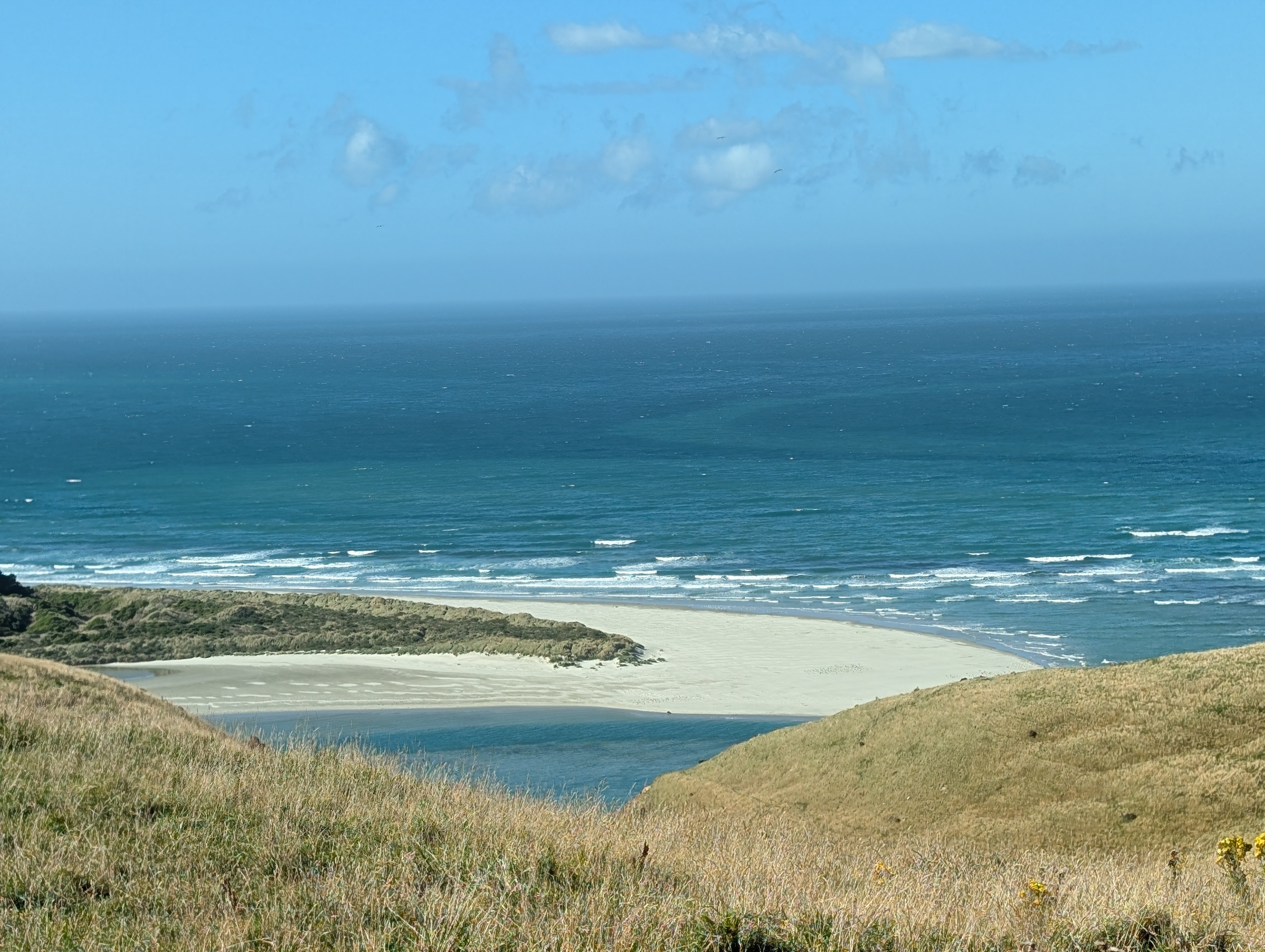
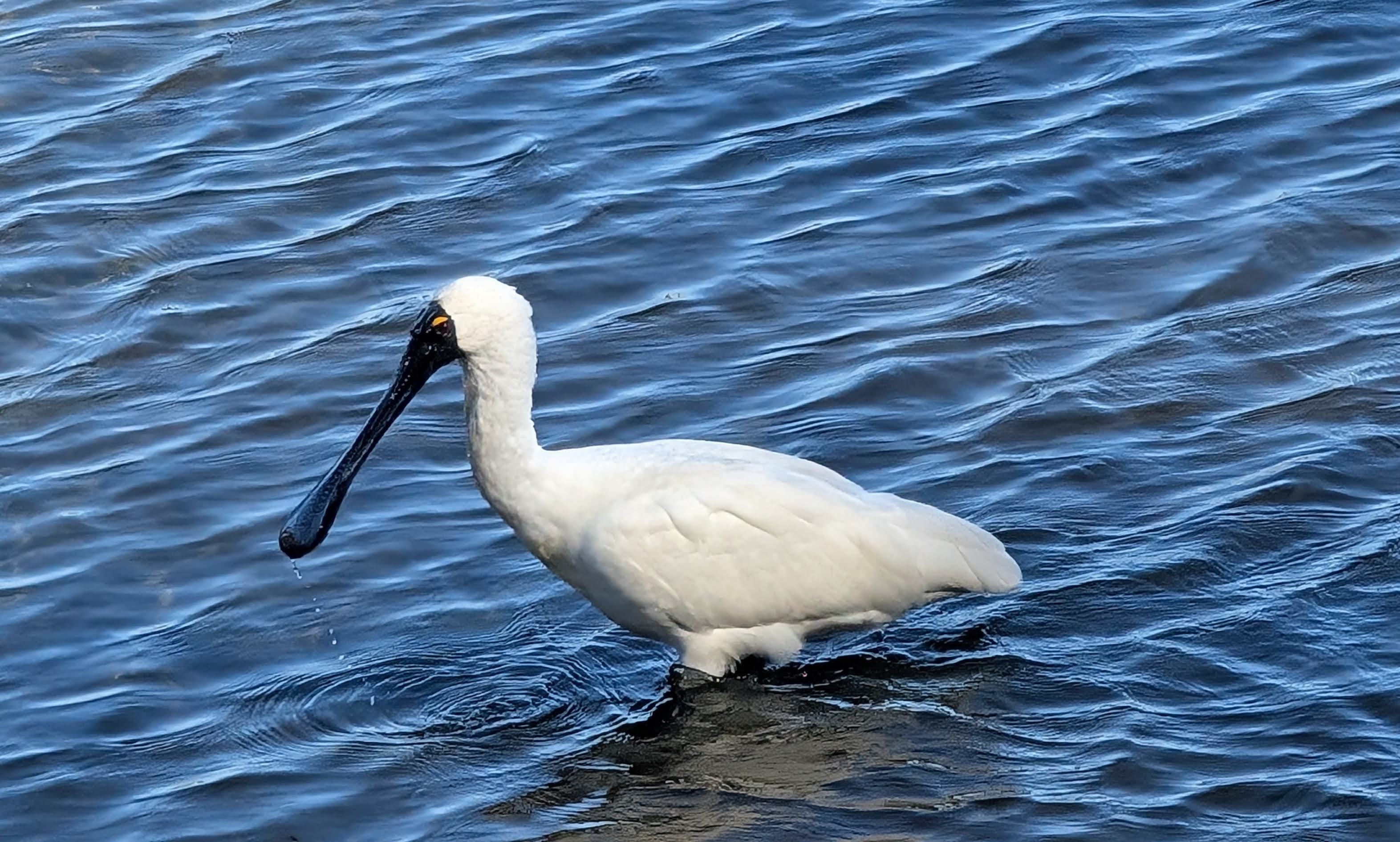
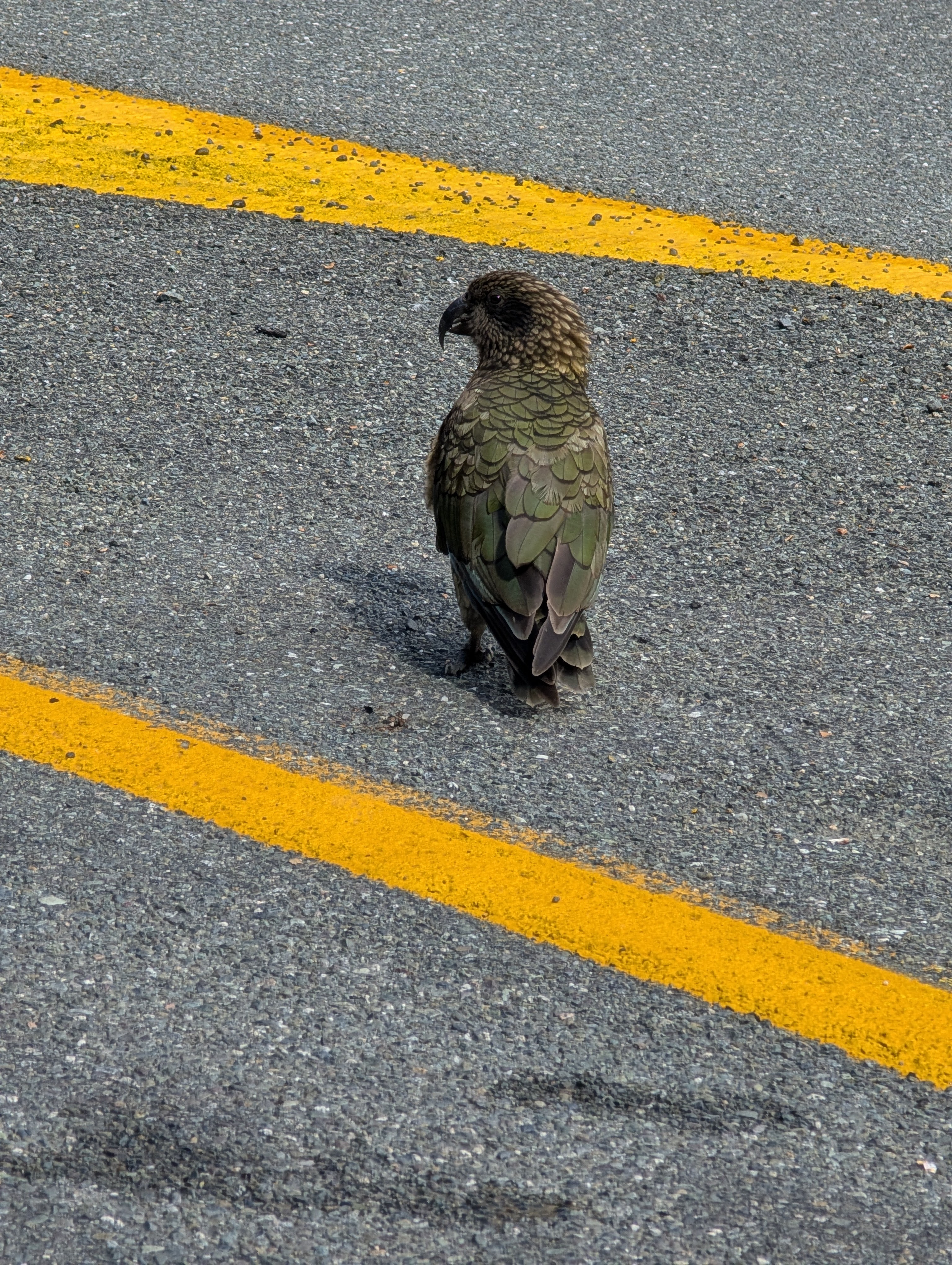
But the real story of the Otago Peninsula is the natural world. This is a bird lover’s dream. The rare and very timid yellow eyed penguin lives here and in Antarctica. We saw several of them. The strange red-eyed oyster catcher is other worldly. I saw a spoonbill as we were walking around the harbor. It looks quite prehistoric. On the beach, at the end of the world were sea lions, and this generation’s baby seals playing in their own very private baby pool. We looked toward the sea over cliffs six million years old. Were we looking toward the Antarctic? No, we were looking toward South America. Very disorienting. And somehow quite intoxicating. It was a clear day and, apparently, a lucky day for spotting creatures in their own environment.
On the Road
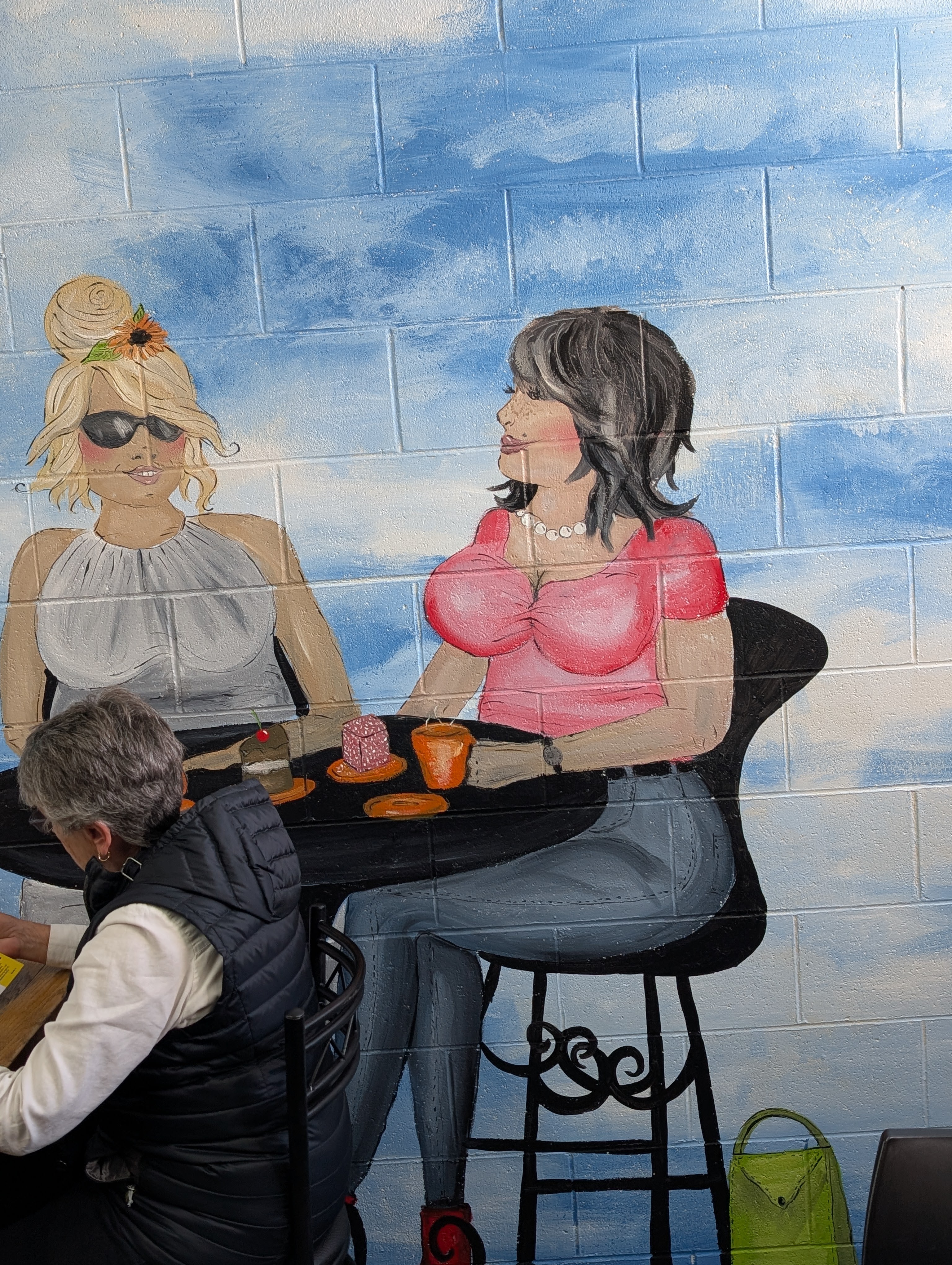
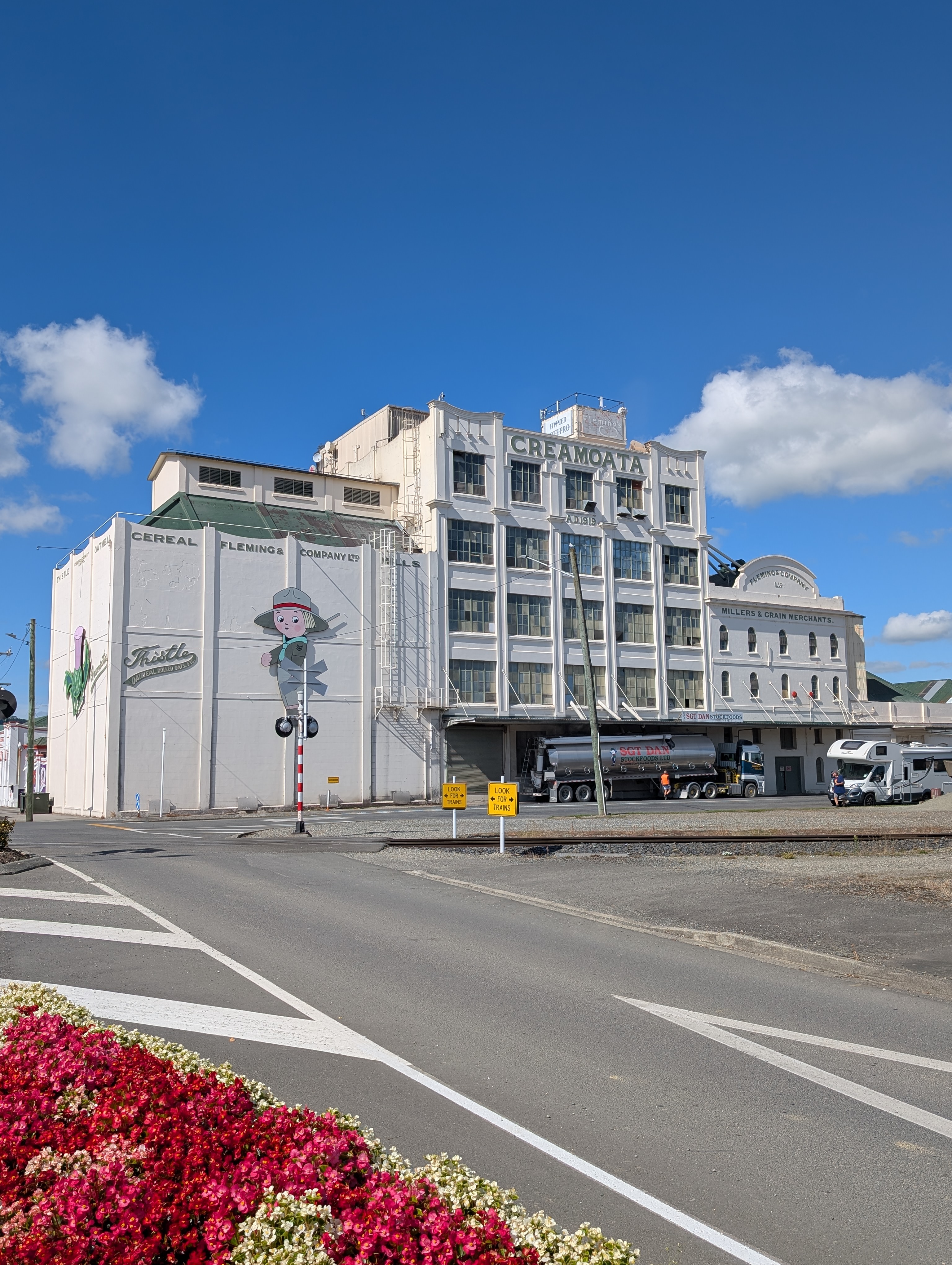
After our civilized three nights in Dunedin, we knew we had a long time on the road. So, rather than trying to just put pedal to the metal and drive straight through farmland and the slow rise into the Southern Alps, we were kind to ourselves and stopped whenever we hit a little town. We were richly rewarded in a place called Milton. Once again, we came upon a cafe owned and operated by women. This one was called The Forum Cafe. All of the baked goods were made in the small kitchen. The cinnamon roll I ordered was so exceptional, I asked to give my compliments to the baker. She came out and wrote the recipe on a post-it. There was a small corner where all the local grandmothers gathered with young mothers and their babies. The corner was filled with toys and a small child’s play kitchen. In the back, near the bathrooms were hand knit baby clothes available for sale. You were on your honor to leave cash for your purchases. There were cook books on every table, encouraging customers to come, sit and take their time to read and be part of this welcoming community.
Te Anau/Milford Sound
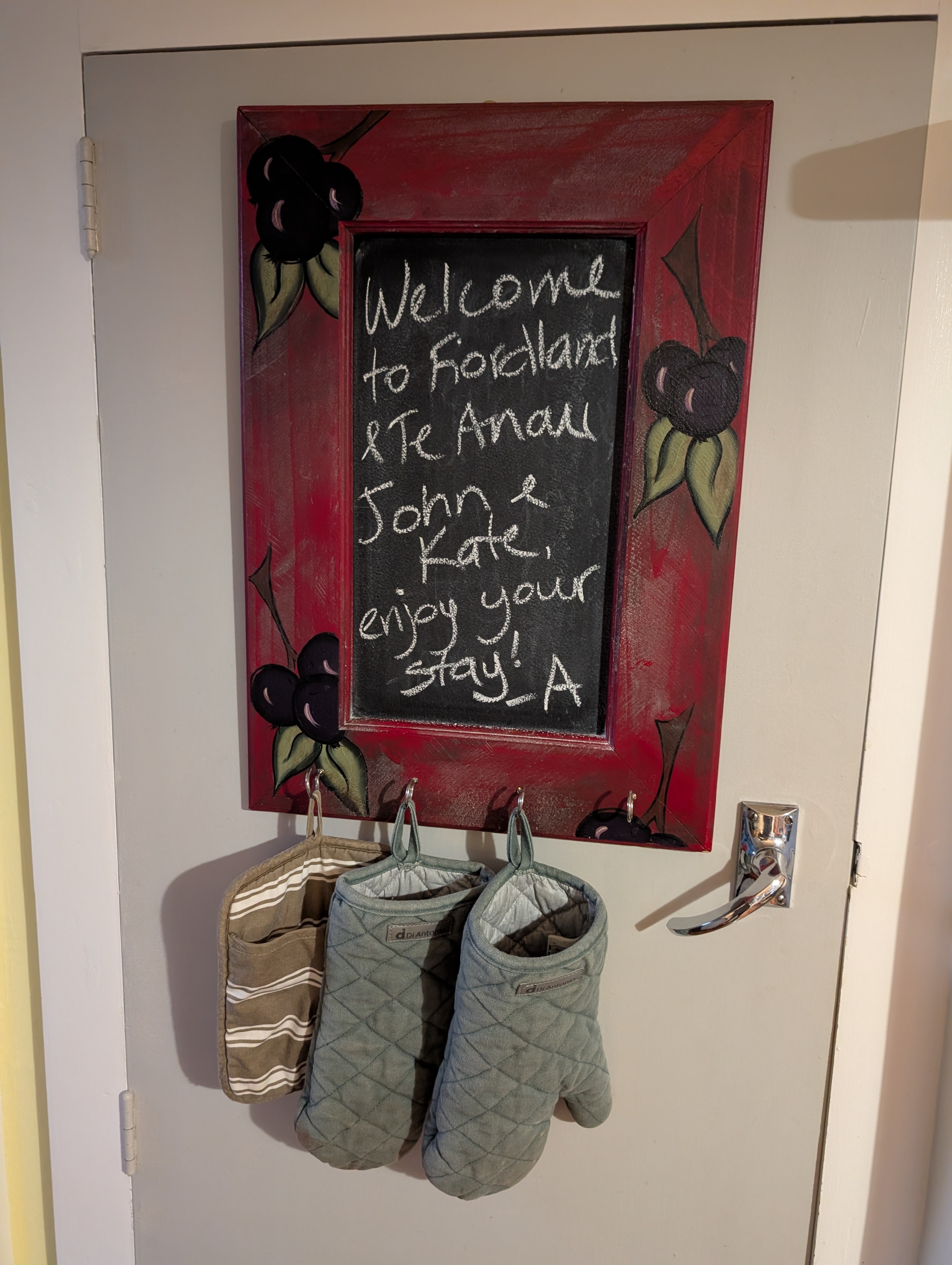
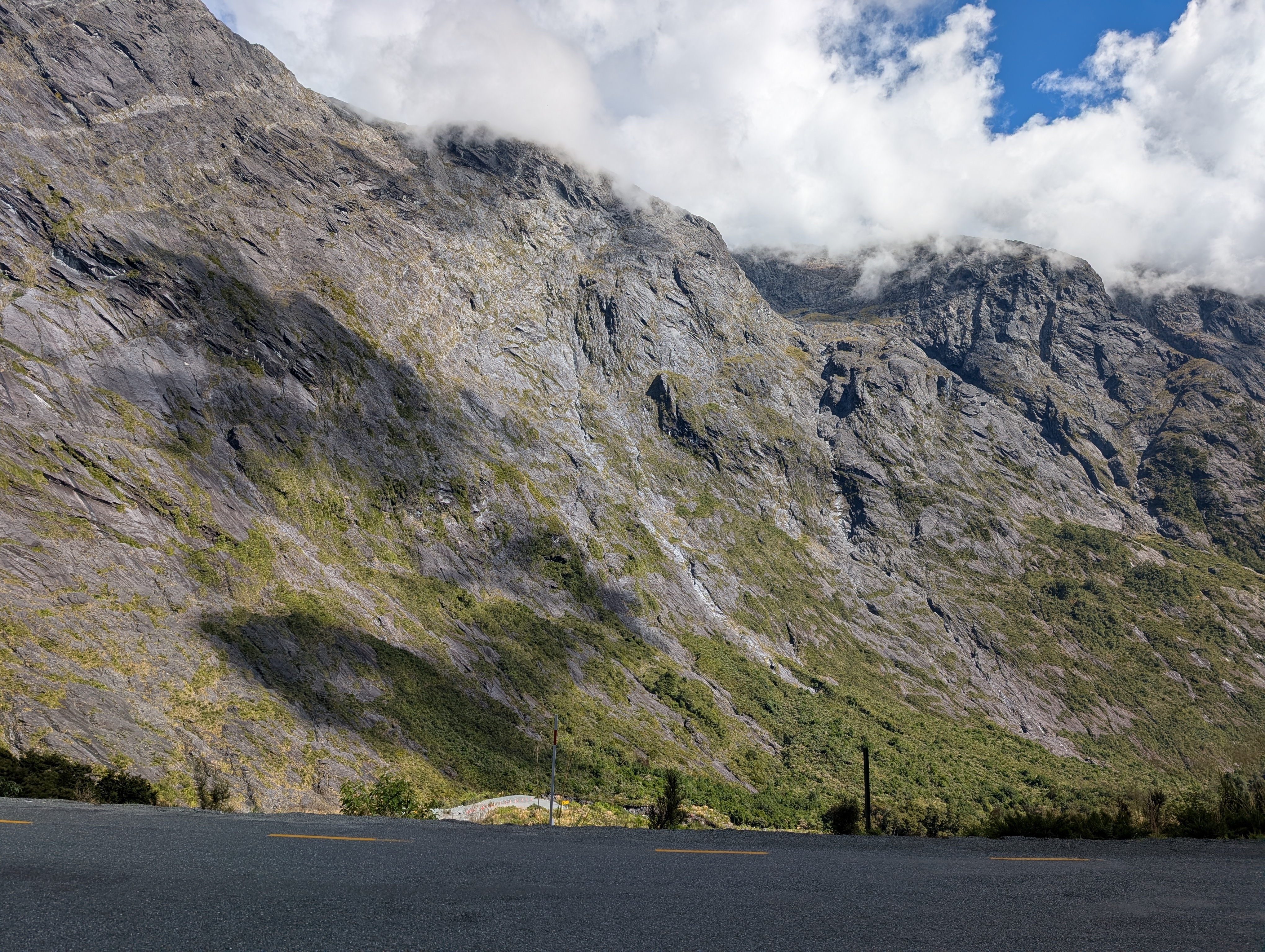
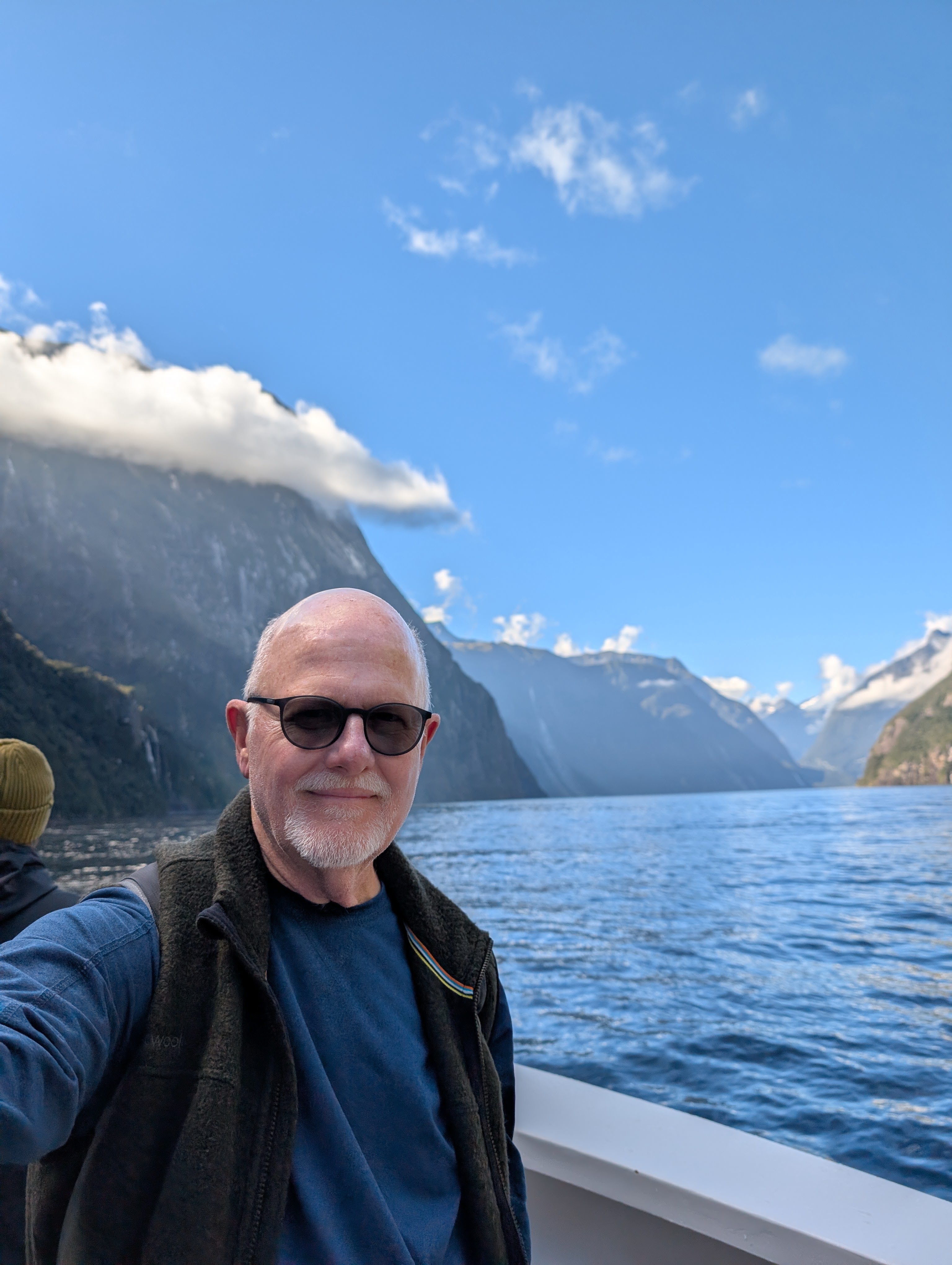
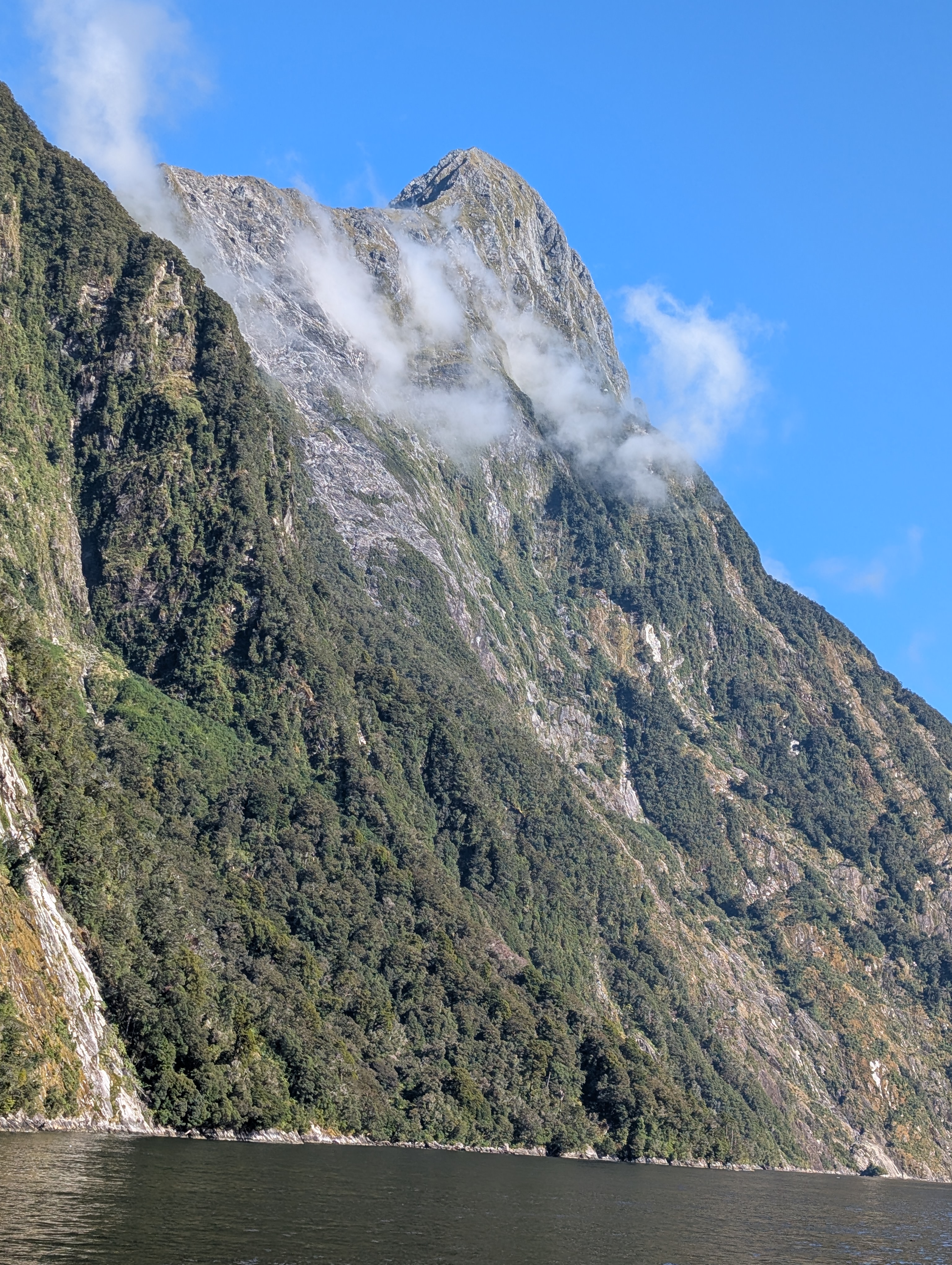
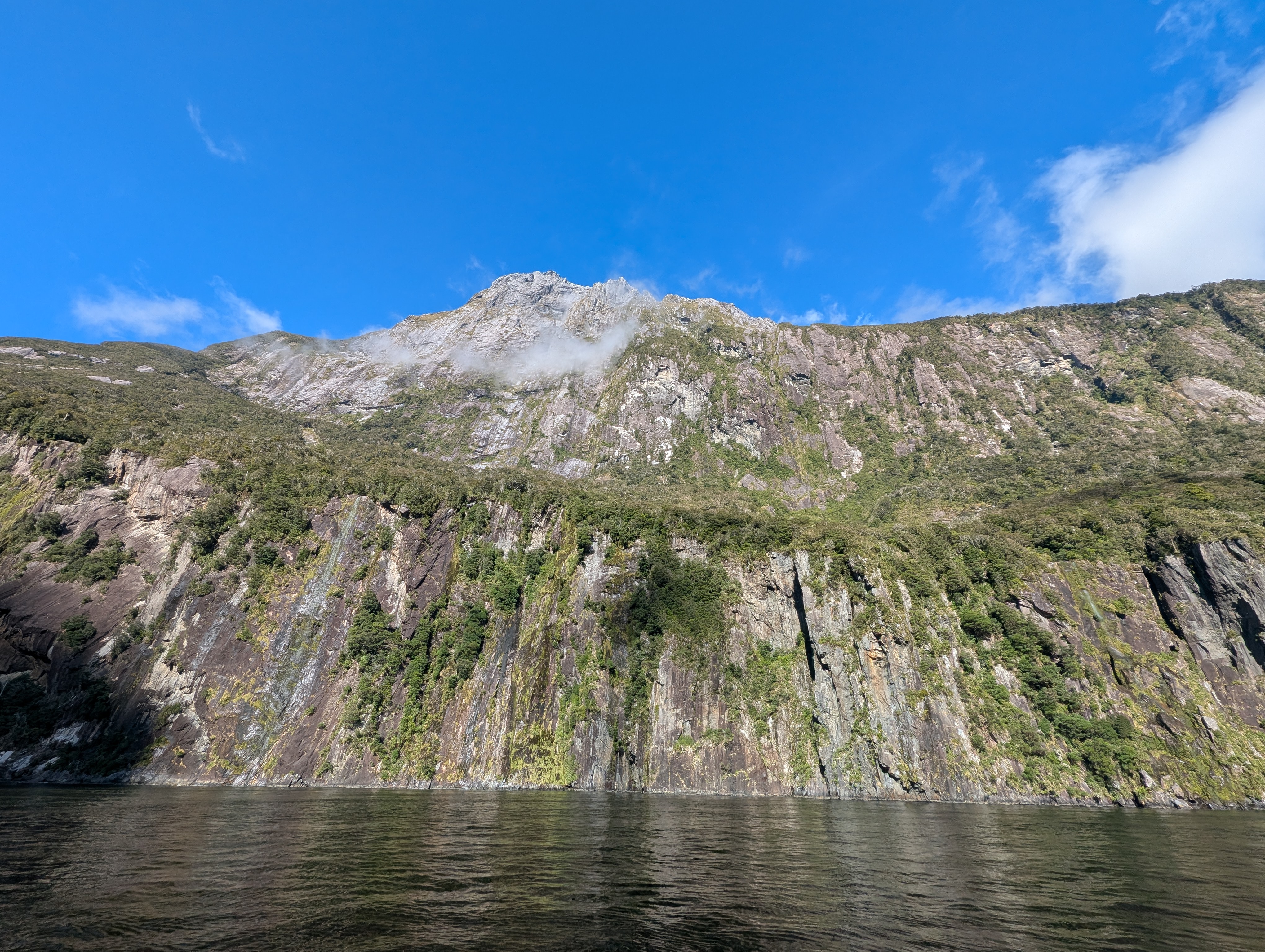
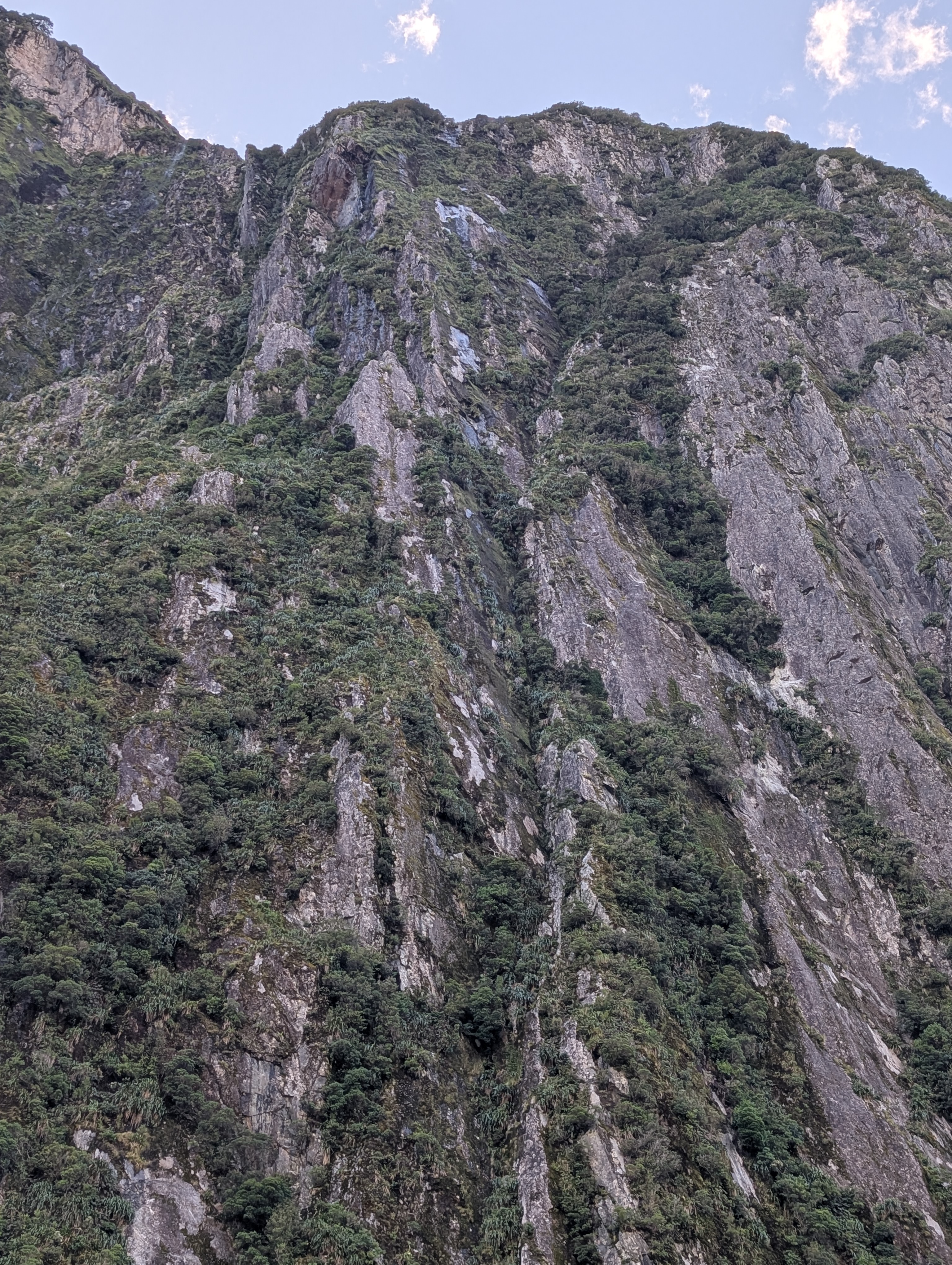
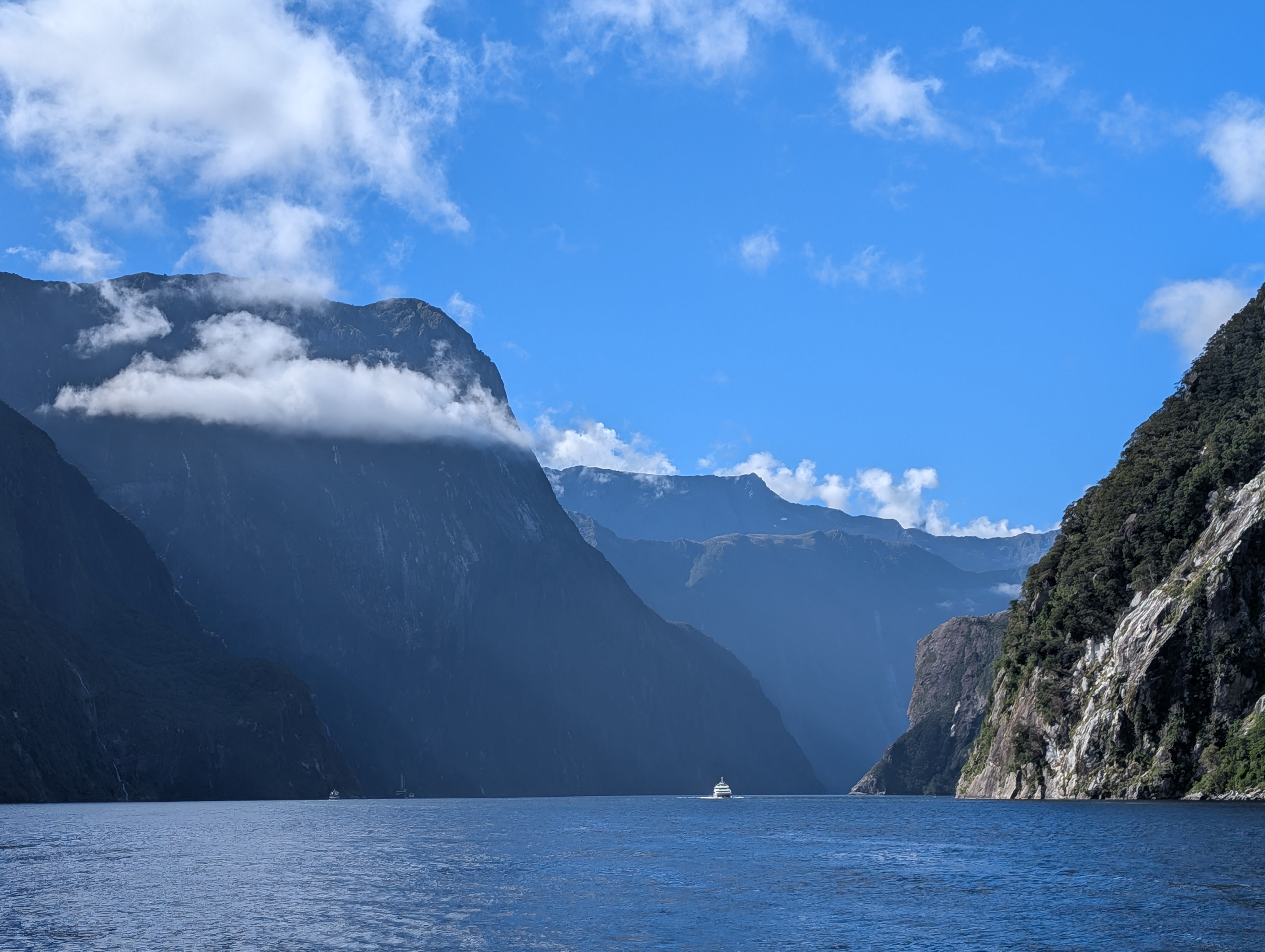
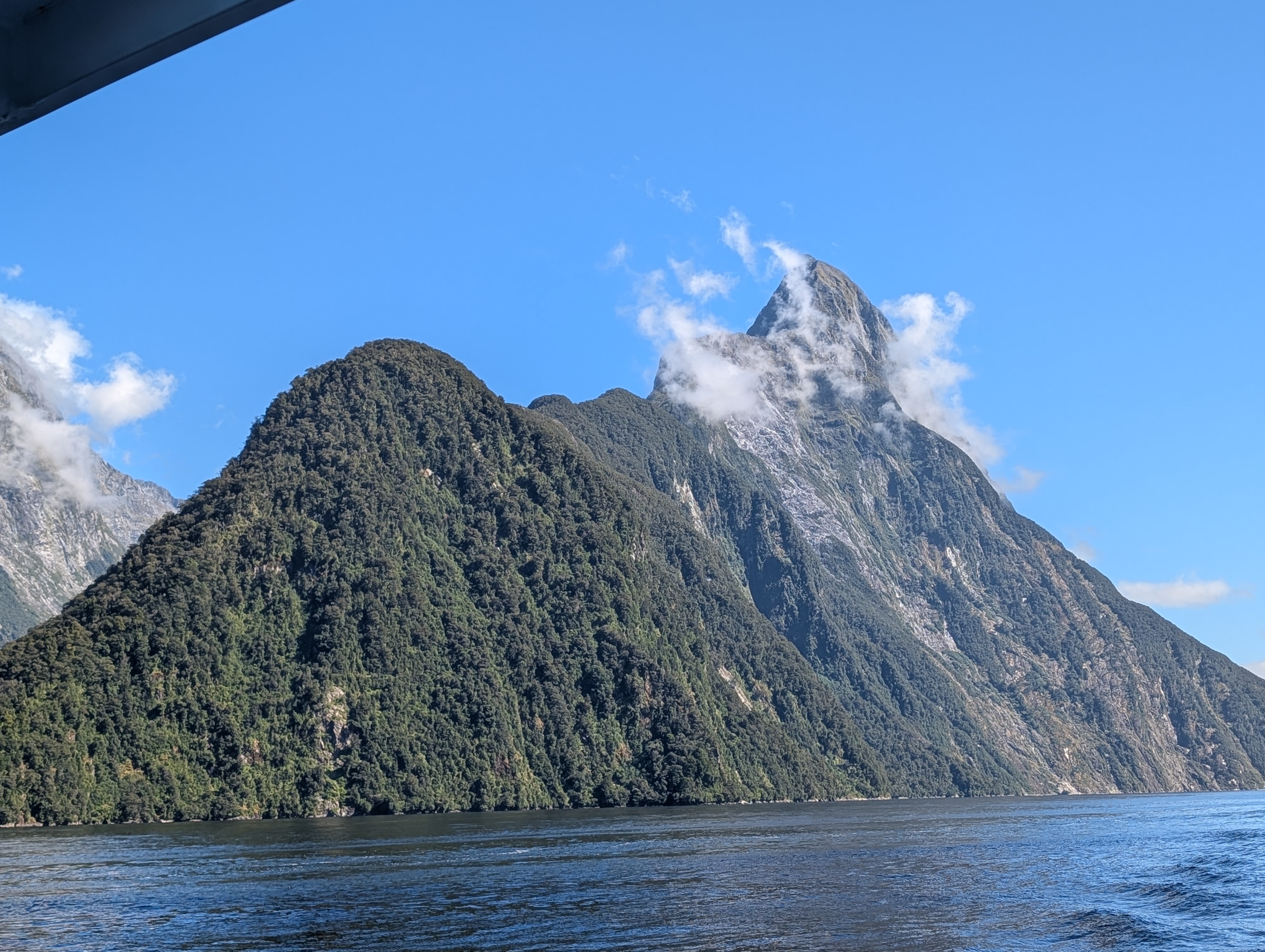
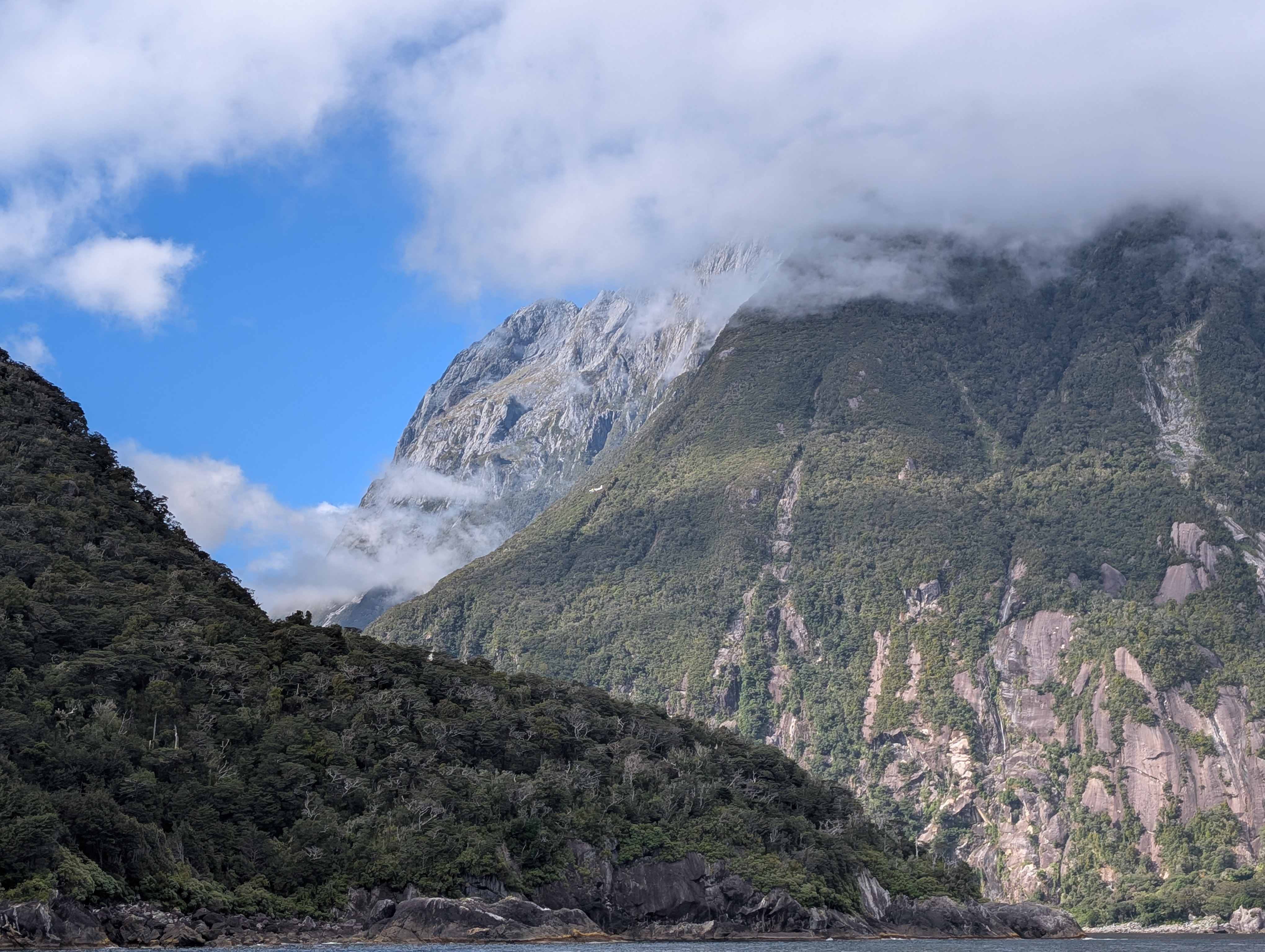
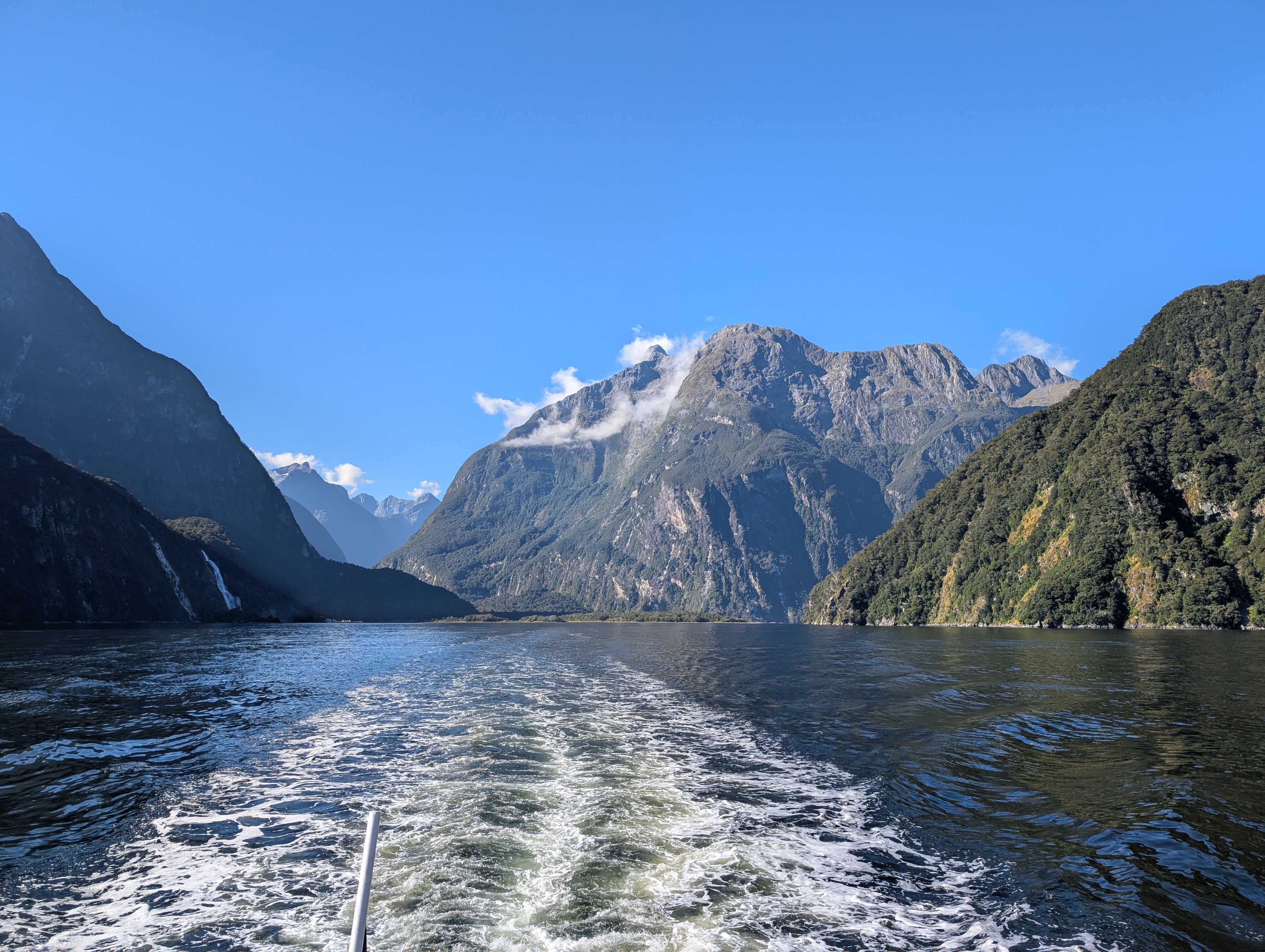
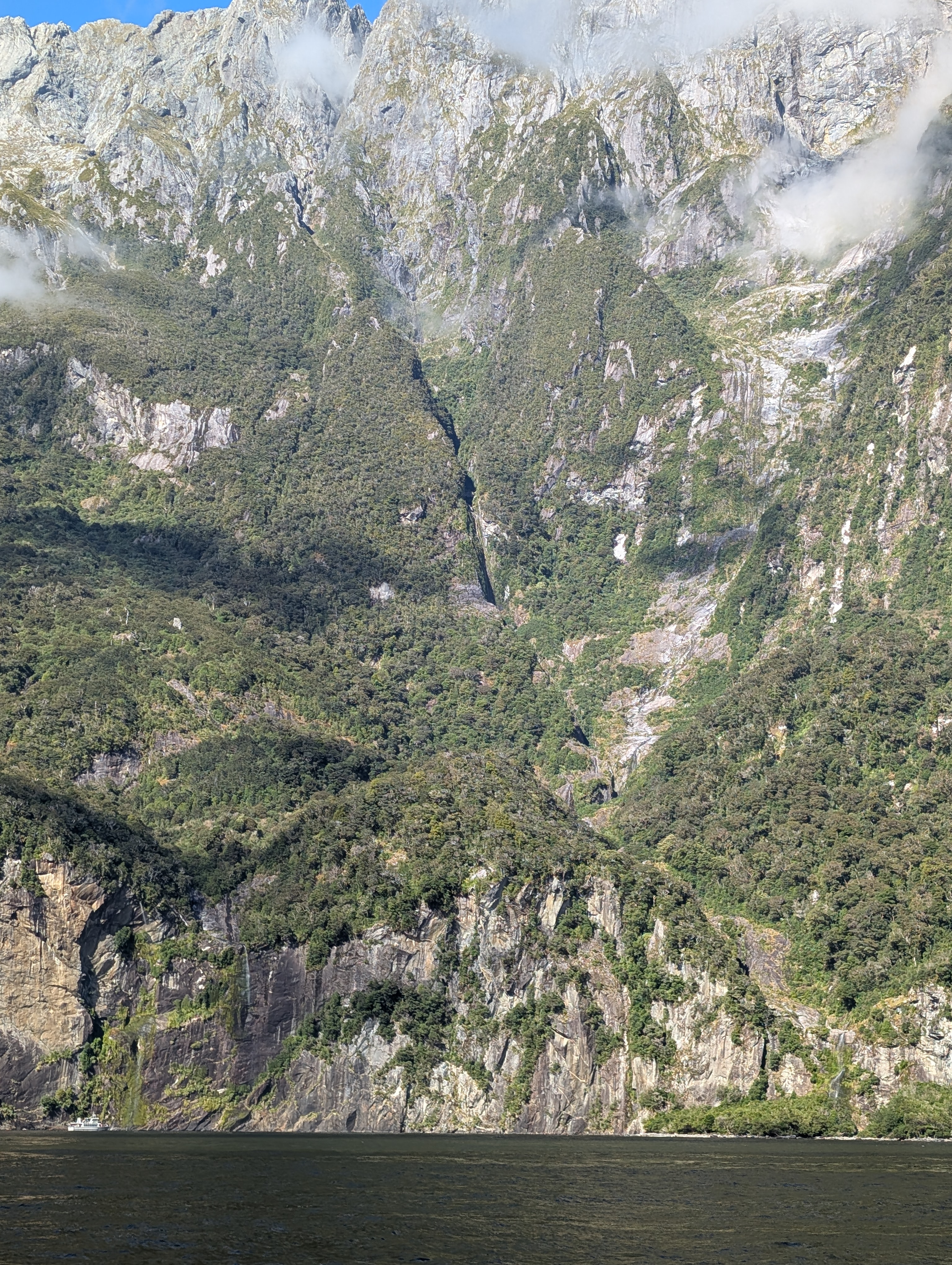
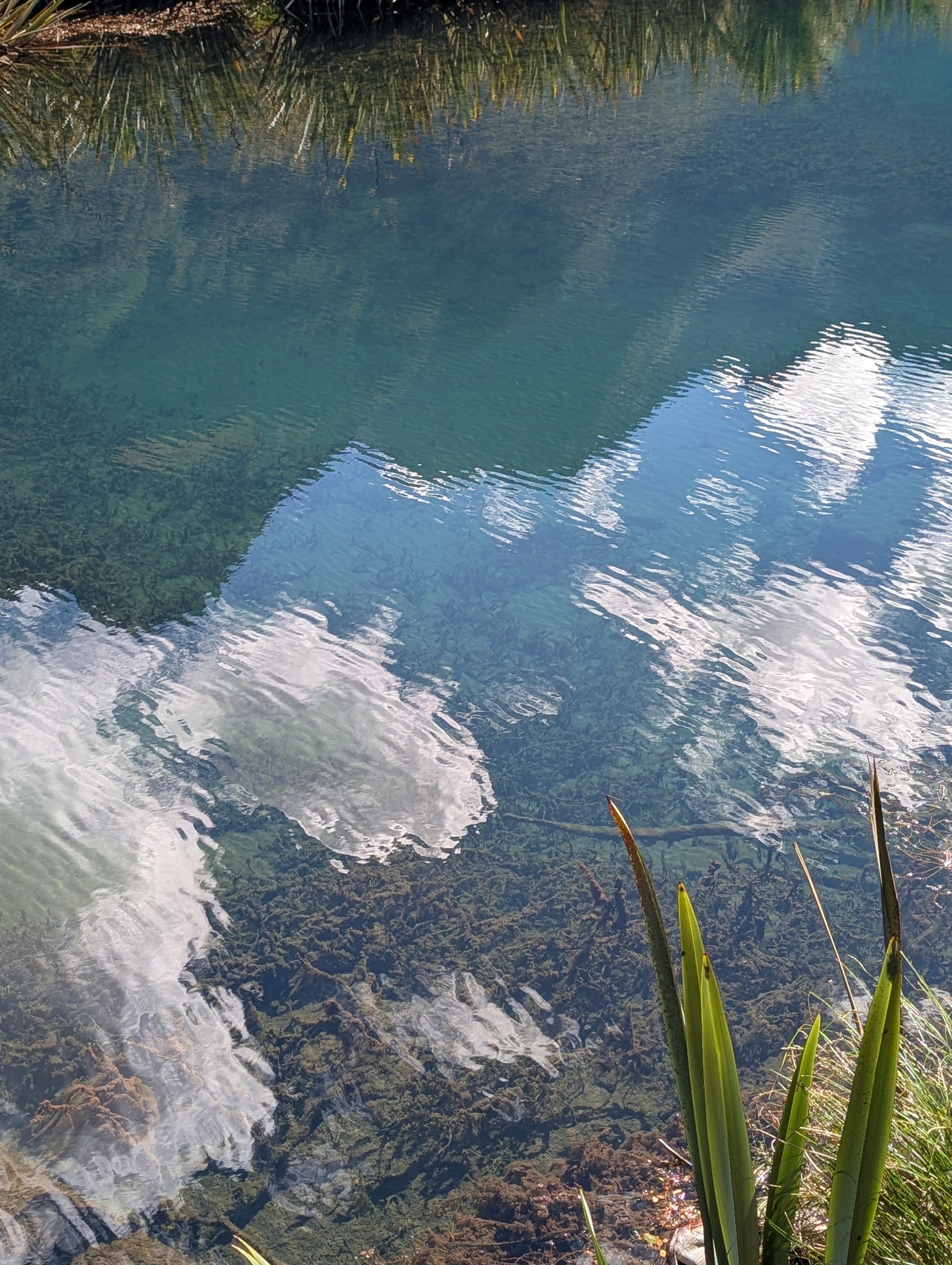
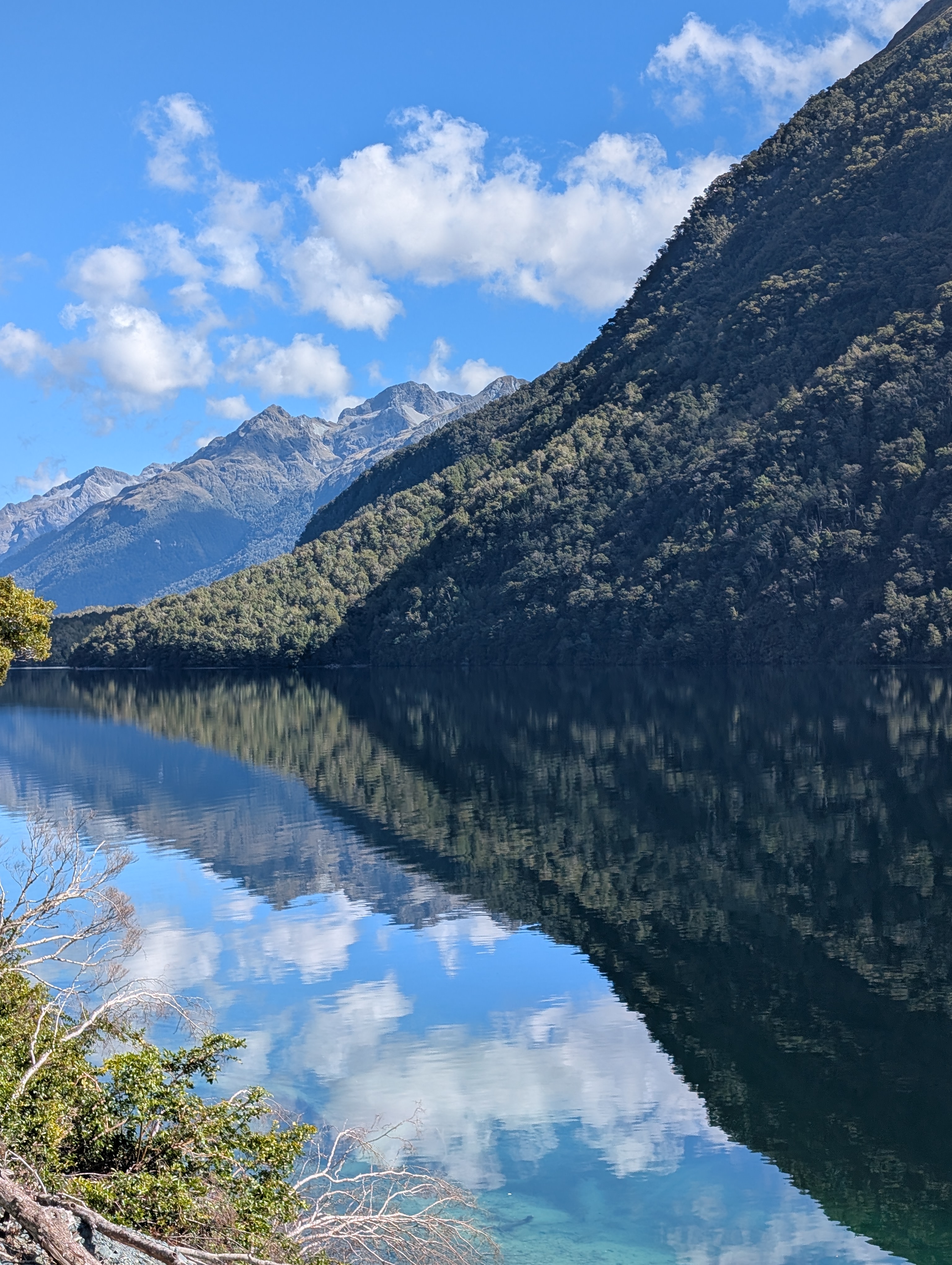
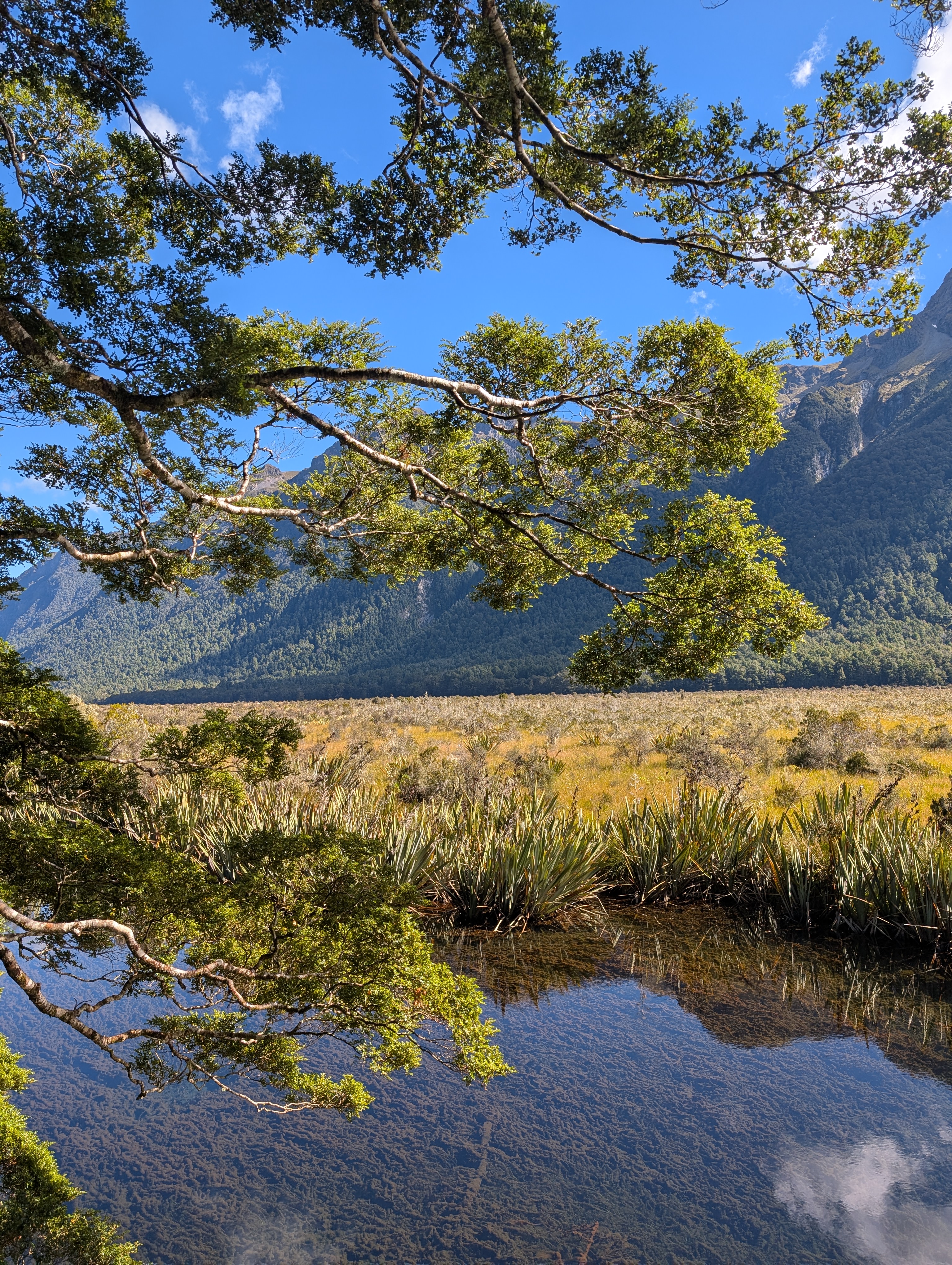
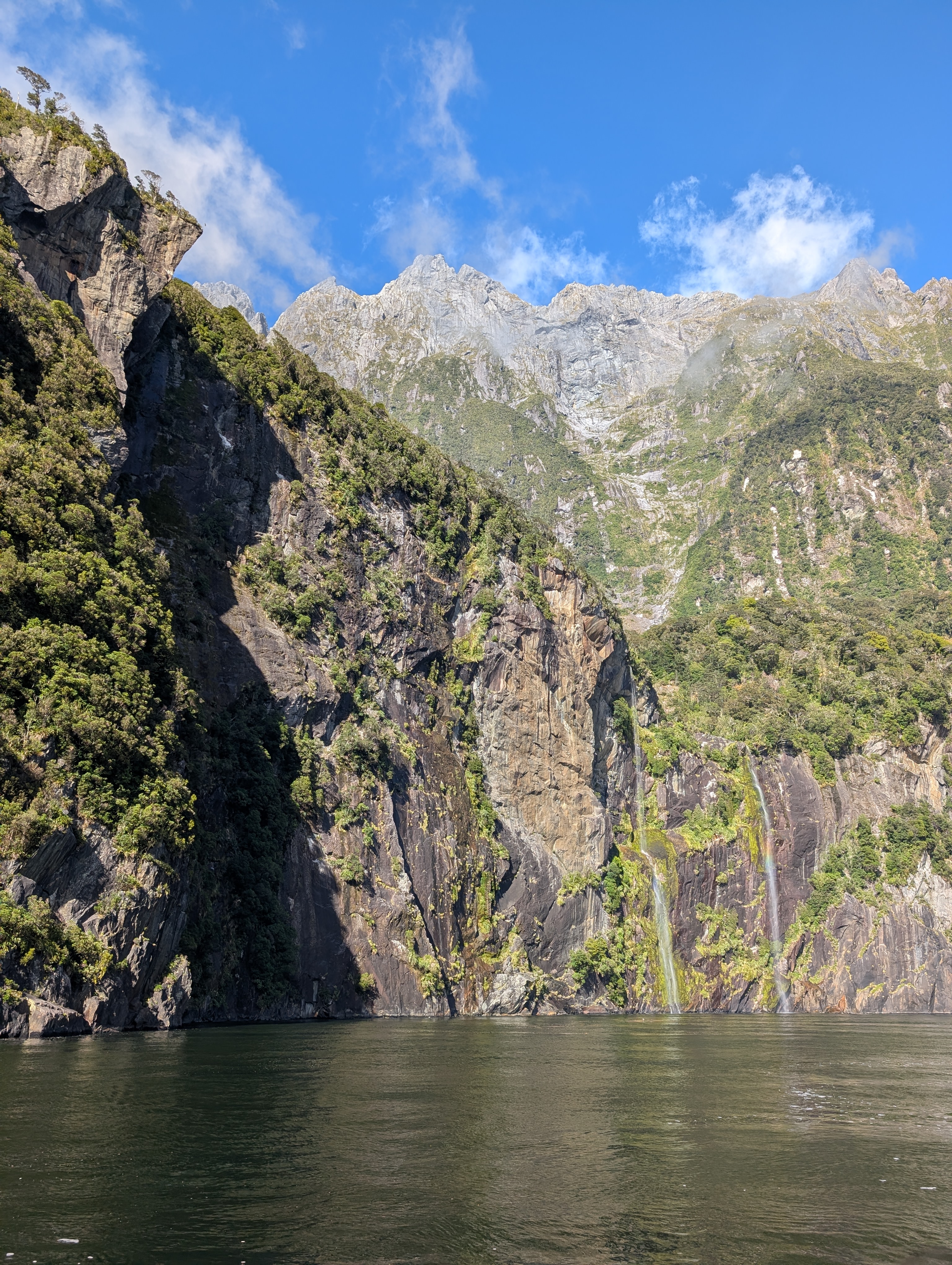
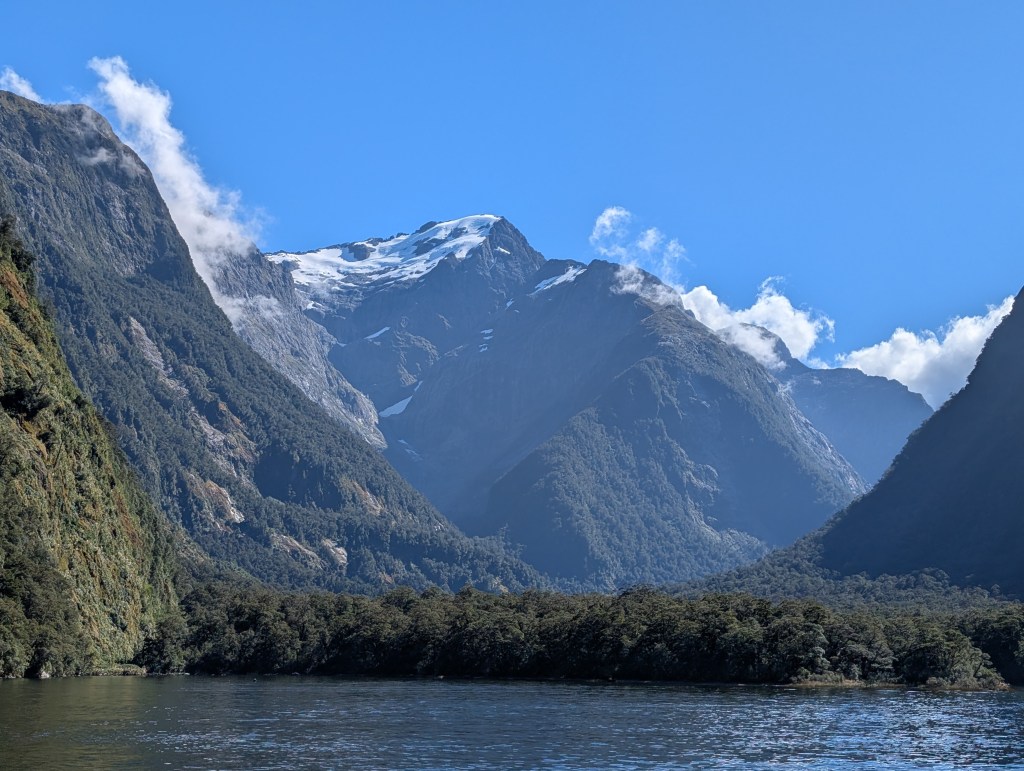
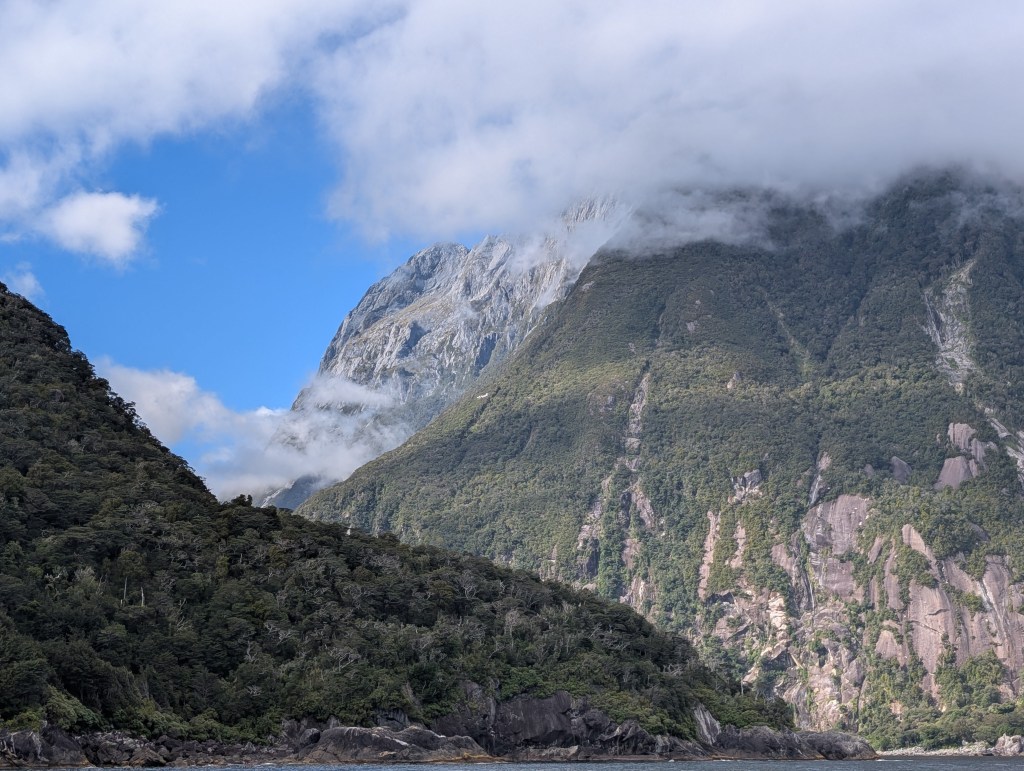
We might describe this as “The Big Show”. Te Anau is the small community on the edge of a beautiful glacier formed lake. The grocery stores are full of food for hikers and campers, because this is a gateway to primordial forests, camping areas, and hiking trails for all levels. This is also the last town on the way to Milford Sound. The photos can in no way capture the size of this ancient fiord. The drive between Te Anau and Milford Sound is two hours with spectacular views and places to stop on the way. But, John made reservations for a cruise on the Sound that began at 10:45 in the morning, so we were on the road before the sun had broken through the morning clouds. Since Milford Sound has rain about 220 days a year, we didn’t know if our luck with good weather would hold.
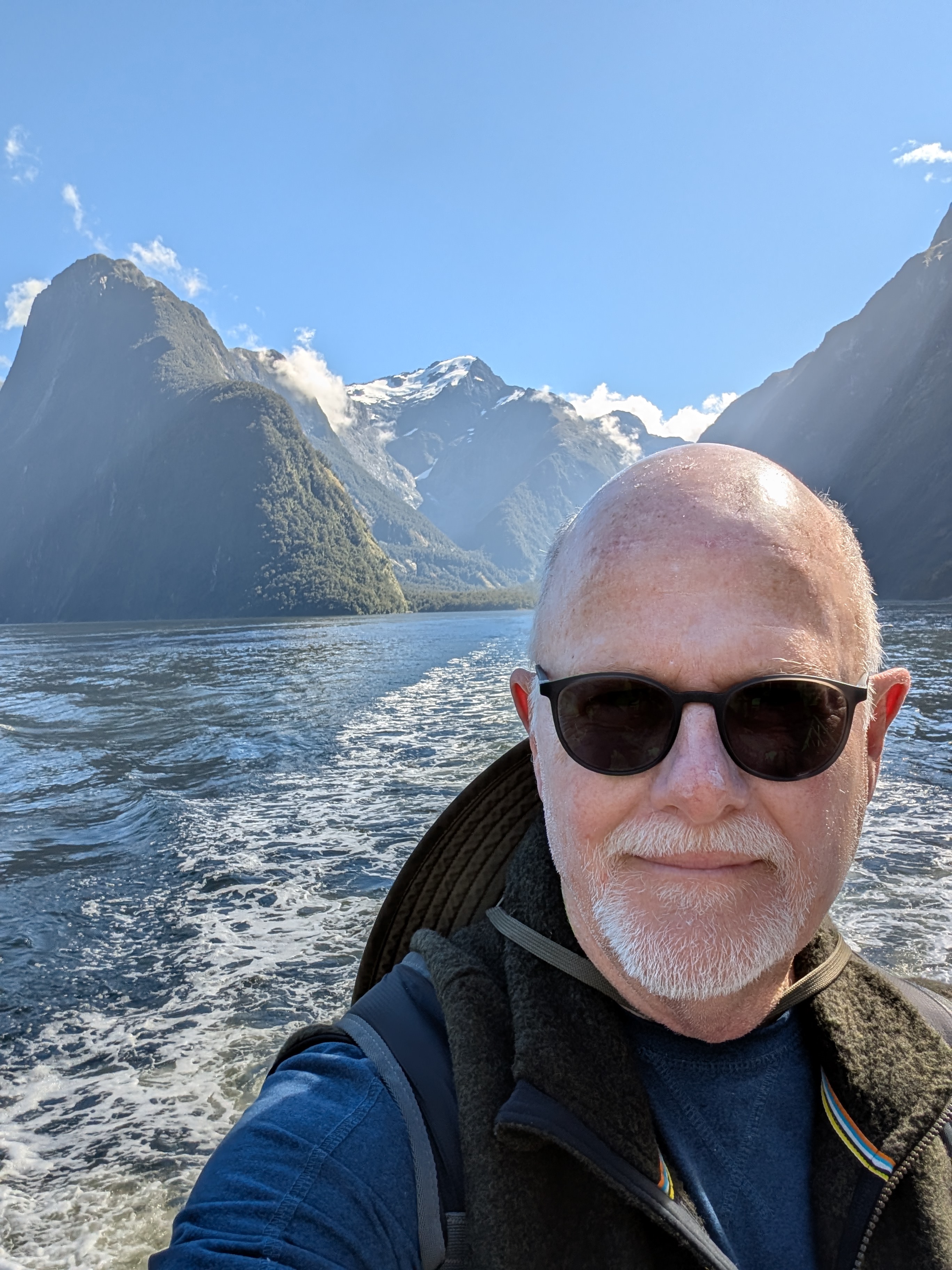
I guess “breathtaking” would be as good a word as any to describe our feelings when we came around one of the last bends in the road before we dropped down into the Sound. The sky was clear, the air soft and inviting. Even the sandflies, which are known to be extremely annoying in the early morning, only required an occasional swipe. How can one not feel very small and insignificant amidst these immense records of time before time.
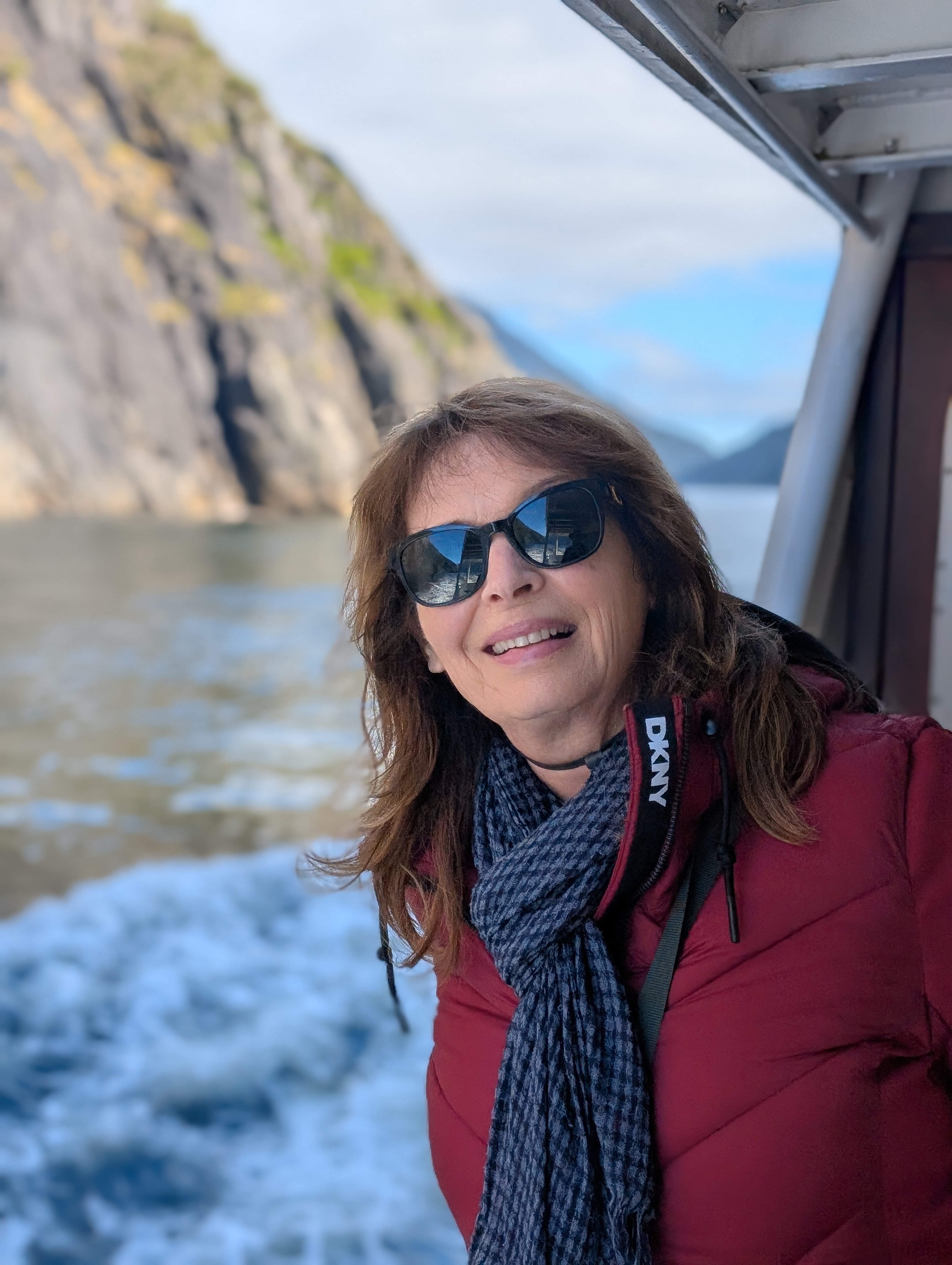
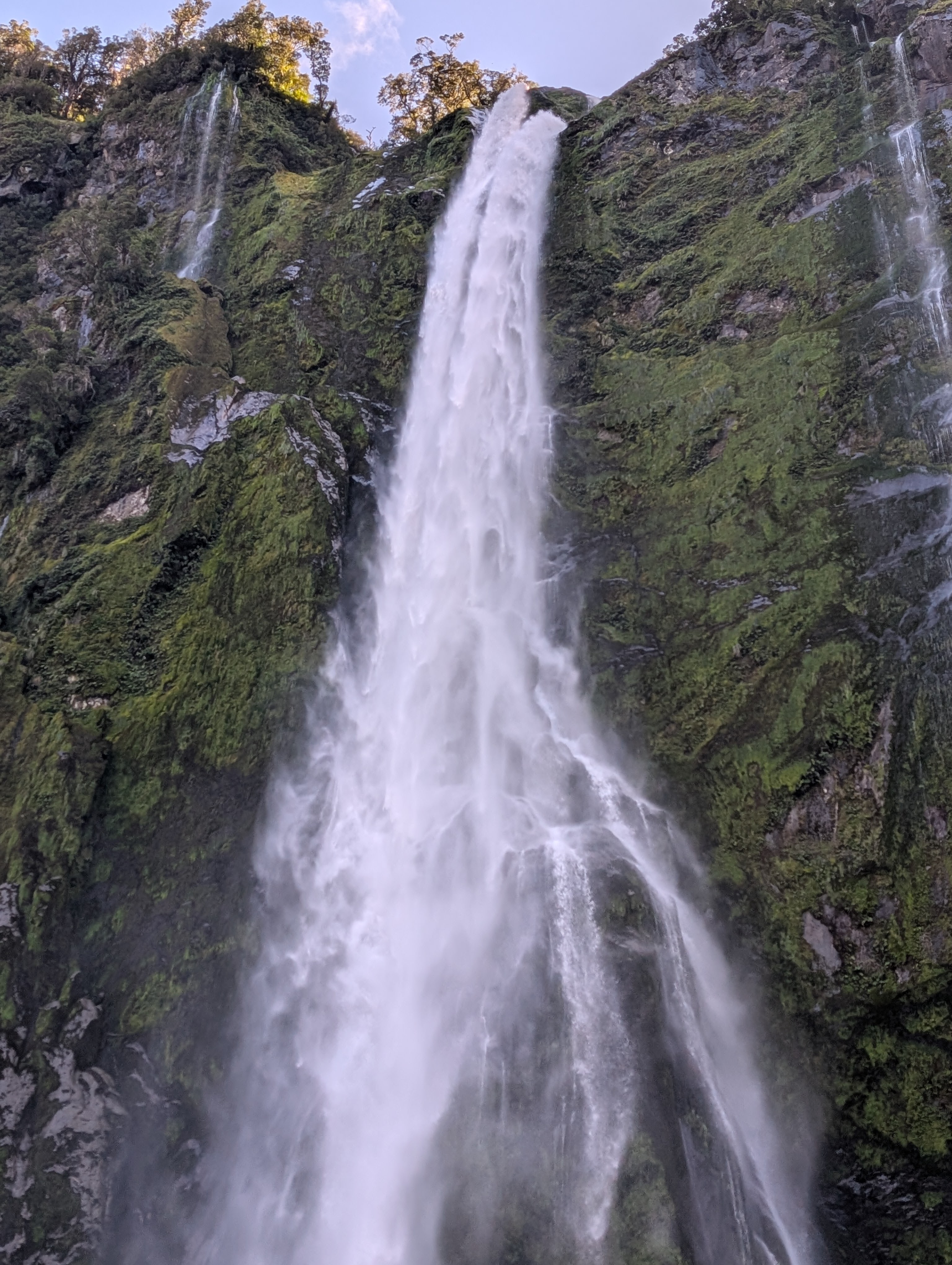
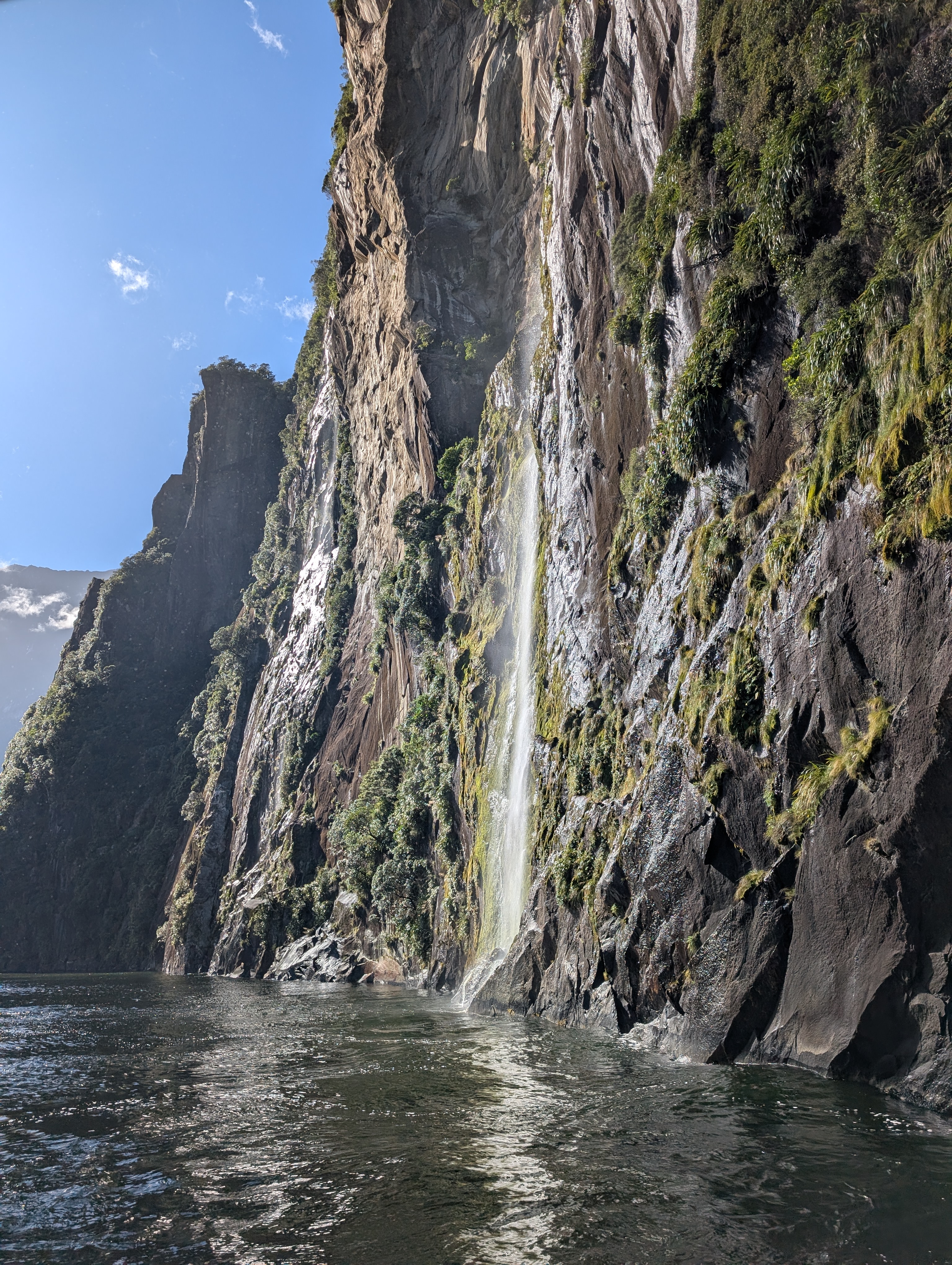
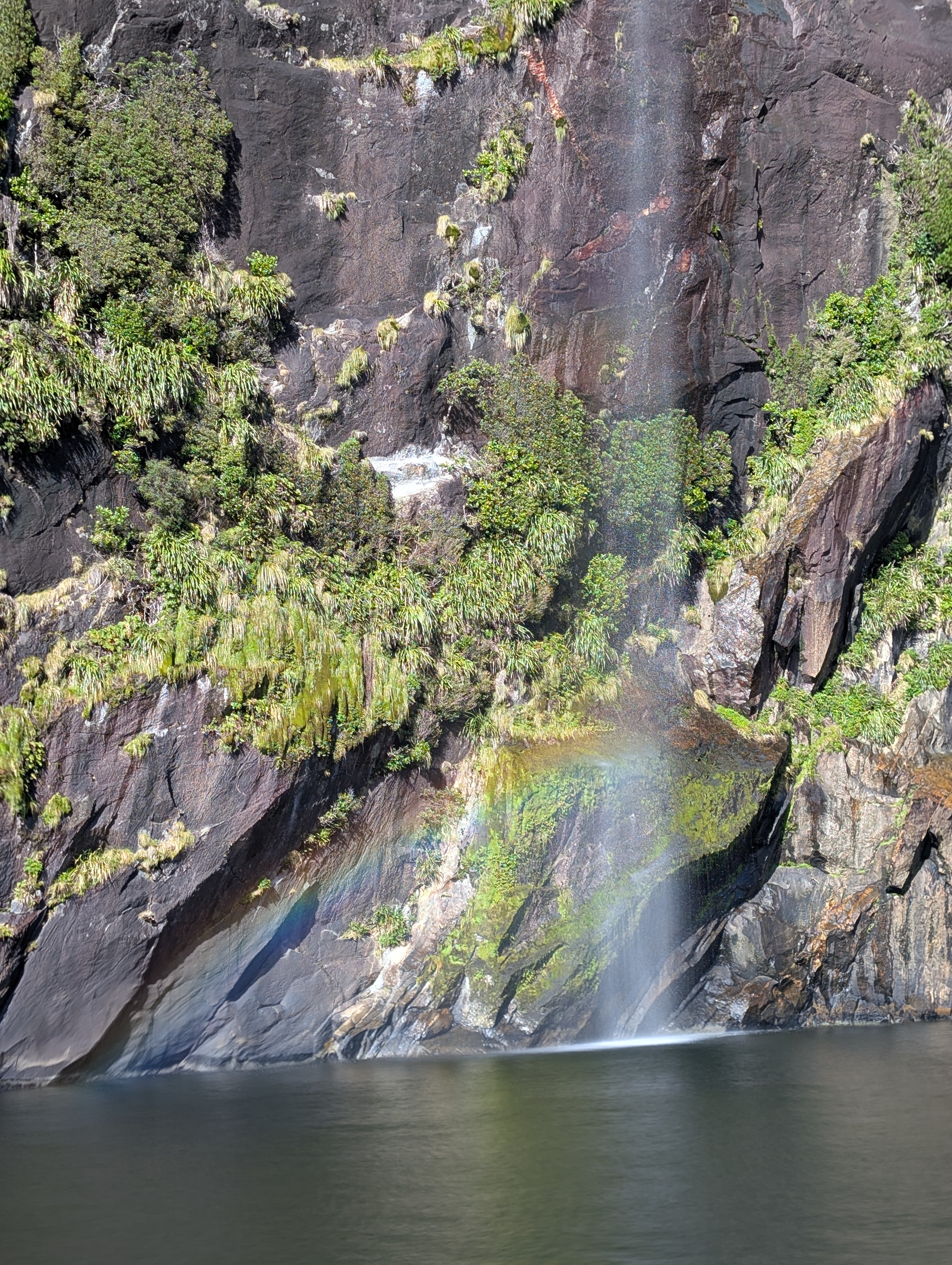
Because we were in a smaller boat, we were able to come very close to the waterfalls that cascade down hundreds of feet. Nothing like the baptism of glacial water early in the morning.
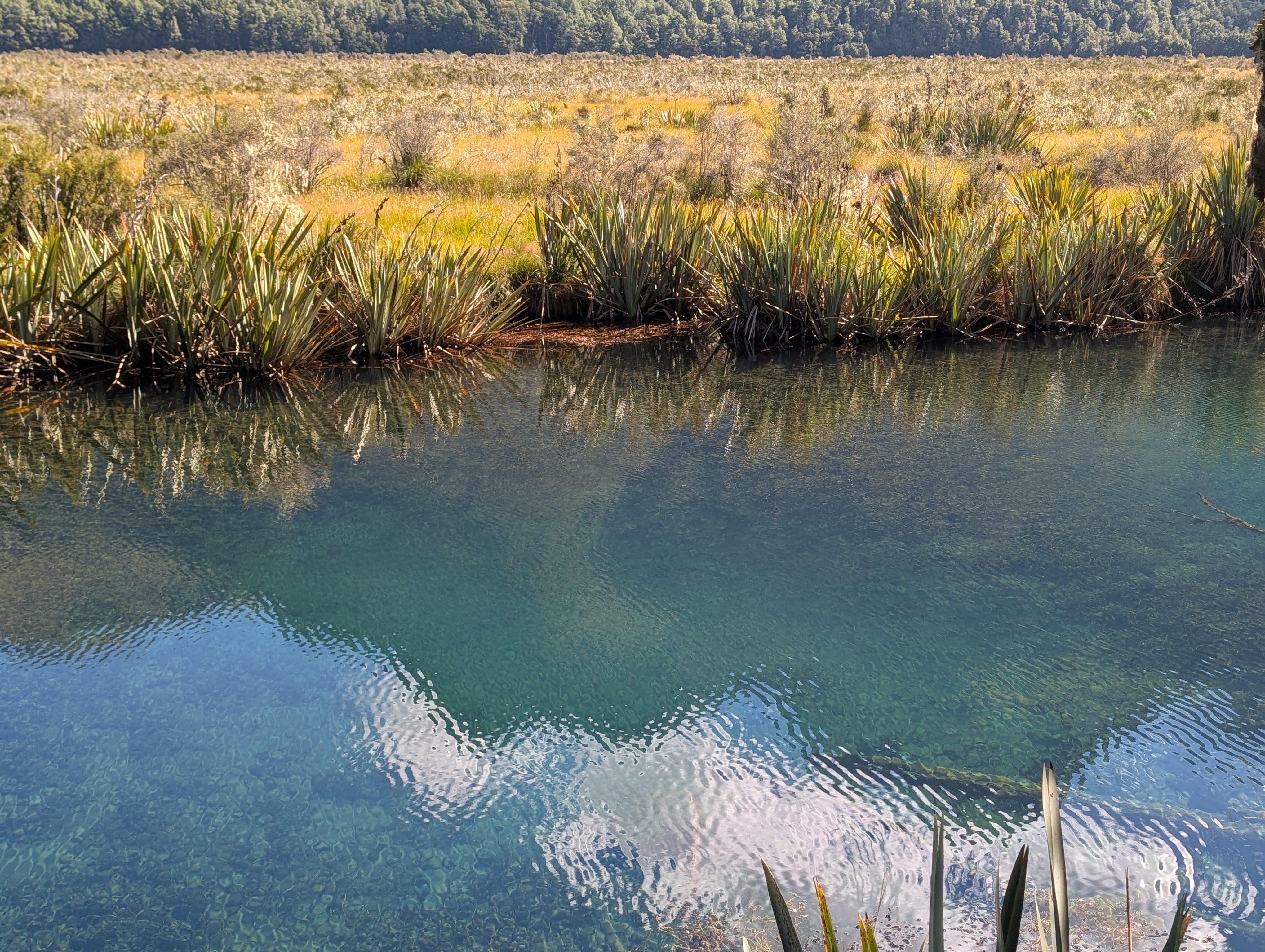
Today, we walked around the Te Anau lake for a couple of hours. But, tomorrow is a fairly short travel day to Queenstown. John is resting up so he can engage in some new extreme adventure. I may go get my nails done while he jumps off of some cliff.
 Travel Blog